
7 Expert Concrete Repair Tips for Stunning Outdoor Spaces
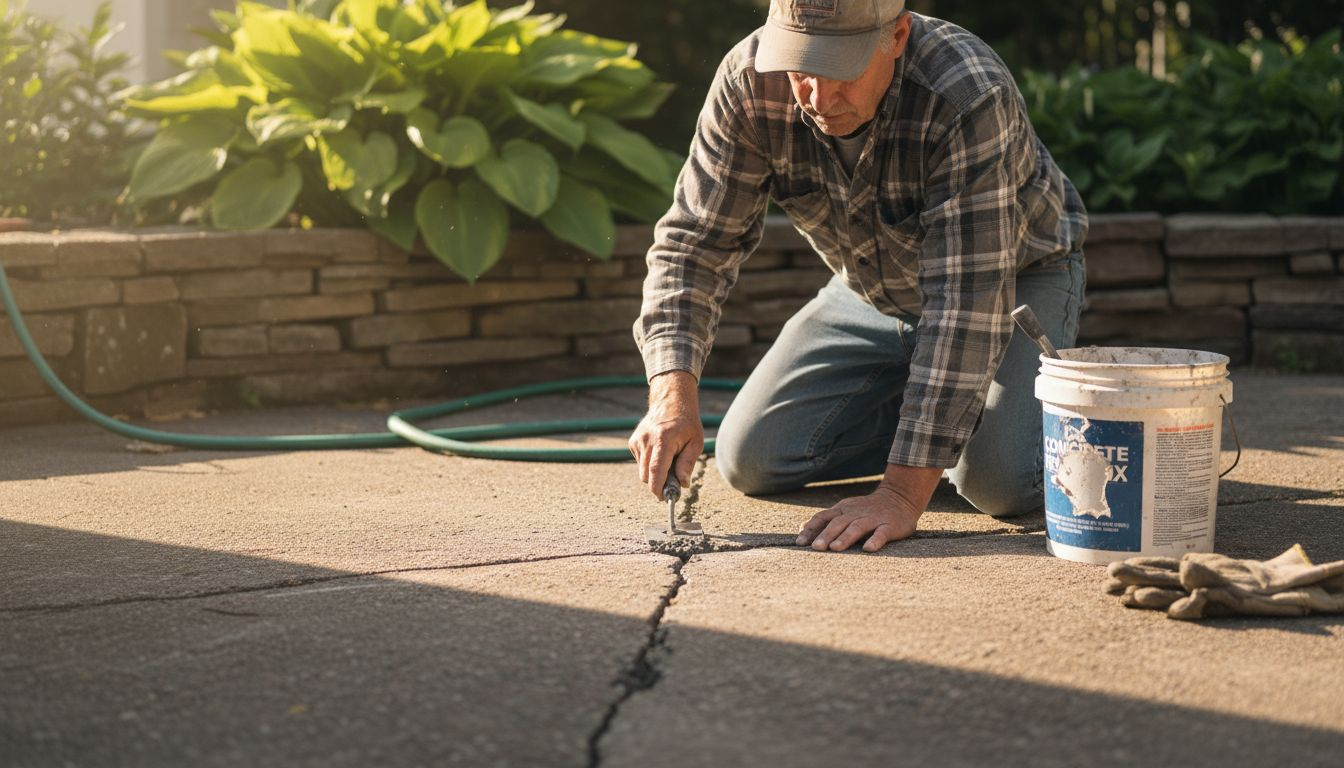
Cracked concrete patios and damaged foundations can quickly take away from your outdoor space’s beauty and safety. Tackling repairs on your own can feel overwhelming, with confusing materials and methods that leave you worried about wasting time or making things worse. The good news is, you do not need to guess your way through the process—there are specific, expert-approved steps that make all the difference.
This list will show you practical techniques for assessing damage, preparing surfaces, and choosing the right repair materials for your concrete. You will also discover insider tips for filling cracks, matching decorative patterns, and sealing repairs to withstand harsh weather. Get ready to learn the exact methods professional contractors use so your next repair looks great and lasts longer.
Table of Contents
Quick Summary
Key Message | Explanation |
1. Assess Cracks Before Repairing | Identify crack types and severity to choose optimal repair strategies and prevent structural issues. |
2. Clean Concrete Surfaces Thoroughly | Ensure surfaces are free of contaminants for maximum adhesion of repair materials and durability. |
3. Choose Suitable Repair Materials | Select materials based on crack characteristics and environmental conditions for effective long-term solutions. |
4. Apply Proper Sealing Techniques | Use the right sealers to protect repaired concrete from water and environmental damage for longevity. |
5. Implement Ongoing Maintenance | Regularly inspect and maintain concrete to prevent small issues from evolving into costly repairs. |
1. Assess Cracks and Damage Before You Start
Before diving into concrete repairs for your outdoor spaces, understanding the type and extent of damage is crucial. Not all concrete cracks are created equal, and identifying their characteristics determines the most effective repair strategy.
Concrete damage typically falls into several important categories:
Structural cracks that compromise load-bearing capacity
Surface hairline fractures affecting aesthetic appearance
Cracks allowing water and harmful agents to penetrate
Professional contractors recommend carefully evaluating crack specifications using precise measurements. Width is particularly critical: cracks exceeding 0.01 inches often require specialized repair techniques like vee cutting and targeted filling.
Professional assessment prevents minor issues from becoming major structural problems.
To effectively assess concrete damage, follow these key steps:
Measure crack width using a professional crack gauge
Determine crack depth and orientation
Check surrounding concrete for additional stress indicators
Document damage with clear photographs
Some cracks might seem cosmetic but could signal underlying foundation issues. Horizontal cracks or those wider than 1/4 inch often indicate serious structural concerns that demand immediate professional attention.
Pro tip: Keep a detailed repair log documenting every crack’s location, measurement, and repair method to track your outdoor space’s long-term concrete health.
2. Clean and Prepare Your Concrete Surface Correctly
Successful concrete repairs start with meticulous surface preparation. A clean and properly prepared surface is the foundation for durable and long-lasting concrete restoration.
Before applying any repair materials, you must remove surface contaminants and unsound concrete. This process involves several critical steps:
Identifying and eliminating bond-inhibiting materials
Creating appropriate surface roughness
Ensuring proper moisture and temperature conditions
Concrete surface preparation techniques include mechanical and chemical cleaning methods that professional contractors use to guarantee optimal repair outcomes.
A well-prepared surface ensures maximum adhesion and longevity of your concrete repair.
Professional surface preparation methods include:
Mechanical abrasive blasting
Precision grinding
High-pressure water jetting
Selective chemical surface treatment
Your goal is to create a clean surface profile that allows repair materials to bond effectively. Different repair scenarios require specific preparation techniques based on the concrete’s condition and the type of repair material being used.
Pro tip: Always test your surface preparation method on a small area first to ensure compatibility with your specific concrete and repair materials.
3. Choose the Right Concrete Repair Materials
Selecting the appropriate concrete repair materials can make the difference between a temporary fix and a long-lasting solution for your outdoor spaces. Your choice impacts not just appearance but the structural integrity of your concrete surfaces.
Modern concrete repair relies on several key material types:
Cementitious mortars
Polymer-modified compounds
Epoxy repair materials
Polyurethane repair solutions
Concrete repair materials vary widely in performance characteristics, with each type offering unique advantages for different repair scenarios. The key is matching the material to your specific concrete damage and environmental conditions.
Not all repair materials are created equal - precision matters.
When evaluating repair materials, consider these critical factors:
Mechanical strength requirements
Chemical resistance
Bonding capabilities
Environmental exposure conditions
Repair depth and surface profile
Polymer-modified materials have gained significant popularity due to their superior bonding properties and flexibility. These advanced compounds provide better adhesion and durability compared to traditional cement-based repairs.
Understanding the specific characteristics of each material type allows you to make an informed decision that ensures your concrete repair looks professional and stands the test of time.
Pro tip: Always purchase repair materials from reputable manufacturers and store them according to the manufacturer’s recommendations to maintain their effectiveness.
4. Master Basic Crack Filling for Lasting Results
Concrete cracks are more than just an aesthetic issue. They represent potential pathways for water infiltration and future structural damage that can compromise your outdoor spaces.
Understanding crack repair requires knowledge of different techniques:
Structural crack repair methods
Non-structural surface treatments
Preventative sealing strategies
Crack repair techniques vary depending on the crack’s width, depth, and underlying cause. Not all cracks require the same approach.
Precision in crack repair prevents long-term concrete deterioration.
Effective crack filling involves several key steps:
Clean the crack thoroughly
Determine the crack type and severity
Select appropriate repair material
Apply sealant or injection method
Smooth and finish the repair surface
For narrow surface cracks, elastomeric sealants work best. Structural cracks often require more advanced techniques like epoxy injection, which bonds the concrete and restores structural integrity.
Remember that timing and method selection are crucial. A crack left unaddressed today could become a significant problem tomorrow.
Pro tip: Purchase professional-grade repair materials and always test a small, inconspicuous area first to ensure color and texture match your existing concrete surface.
5. Apply Decorative Patches to Restore Stamped Patterns
Stamped concrete adds beautiful texture and design to outdoor spaces but can suffer localized damage that disrupts its seamless appearance. Restoring these decorative patterns requires precision and specialized techniques.
Successful stamped concrete repair involves several critical elements:
Matching original color and texture
Using appropriate polymer-modified materials
Blending repair areas seamlessly
Protecting the restored surface
Stamped concrete repair techniques demand meticulous attention to detail and professional-grade materials.
Precision in patch application transforms damage into an invisible restoration.
To effectively restore stamped concrete patterns, follow these strategic steps:
Clean the damaged area thoroughly
Select color-matched repair materials
Use specialized tools for pattern replication
Apply patch with careful texture matching
Seal the repaired area for protection
Color hardeners and polymer-modified mortars are essential tools for achieving a near-perfect match. Professional-grade products allow you to recreate intricate stamp patterns that blend seamlessly with the existing concrete surface.
The goal is not just repair but creating a restoration so precise that no one can detect the previous damage.
Pro tip: Always test color-matching materials on a small, inconspicuous area first and allow the sample to fully cure before applying to the main repair site.
6. Seal and Protect Repaired Concrete from Weather
Concrete repairs are only as good as their protection strategy. Weather exposure can quickly compromise even the most careful restoration without proper sealing techniques.
Protective sealing offers multiple critical benefits:
Reduces water infiltration
Prevents chemical damage
Minimizes freeze-thaw deterioration
Enhances surface durability
Preserves aesthetic appearance
Concrete protective sealing methods provide essential defense against environmental degradation.
The right protective coating transforms vulnerable concrete into a resilient surface.
Choosing the appropriate sealer involves understanding different types:
Penetrating sealers for deep protection
Film-forming sealers for surface coverage
Specialized coatings for unique environmental conditions
Chemical-resistant options for high-stress areas
Penetrating sealers work beneath the surface while film-forming sealers create a protective barrier. Each type offers unique advantages depending on your specific outdoor space requirements.
Consistent maintenance and periodic reapplication are key to long-term concrete protection. Environmental factors like UV exposure, temperature fluctuations, and moisture levels all impact sealer performance.
Pro tip: Always clean and thoroughly dry your concrete surface before applying any sealer, and follow manufacturer instructions precisely for optimal protection.
7. Maintain Your Patios and Foundations Year-Round
Concrete maintenance is not a one-time event but a continuous process that protects your outdoor investments from seasonal wear and environmental challenges. Strategic year-round care prevents minor issues from becoming costly repairs.
Effective maintenance encompasses multiple strategies:
Regular surface inspections
Proactive crack monitoring
Drainage management
Seasonal protective treatments
Water damage prevention
Foundation maintenance practices help preserve structural integrity and aesthetic appeal.
Prevention is always more cost-effective than extensive repairs.
Key maintenance steps for year-round protection include:
Spring deep cleaning and surface assessment
Summer sealing and protective coating application
Fall drainage and grading inspection
Winter moisture and freeze-thaw protection
Proper drainage remains the most critical factor in concrete longevity. Water management prevents soil erosion, foundation shifting, and surface degradation.
Seasonally changing environmental conditions demand adaptive maintenance strategies. Understanding how temperature, moisture, and ground movement impact your concrete surfaces helps you develop a proactive care routine.
Pro tip: Create a seasonal maintenance calendar and set reminders to inspect your concrete surfaces systematically, catching potential issues before they become significant problems.
Below is a comprehensive table summarizing the strategies and steps recommended for assessing, repairing, and maintaining concrete surfaces as outlined in the article.
Aspect | Details | Tips and Benefits |
Assessment of Cracks and Damage | Identify crack characteristics, measure specifications, and document findings. | Early evaluation prevents minor issues from escalating to significant problems. |
Surface Preparation | Clean thoroughly and create surface roughness as required for adherence. | Ensures stronger bonding and extended durability of repairs. |
Material Selection | Choose materials based on environmental and structural requirements. | Appropriate materials improve repair effectiveness and longevity. |
Crack Filling Techniques | Clean cracks, select the suitable material, and apply carefully. | Avoids aesthetic deterioration and structural weakening. |
Decorative Patch Repairs | Match textures and colors for imperceptible pattern restoration. | Maintains visual consistency of concrete surfaces. |
Protective Sealing | Apply sealants to prevent environmental wear and water penetration. | Enhances durability and prevents future damage. |
Year-Round Maintenance | Perform seasonal checks, clean, and address issues proactively. | Ensures long-term structural integrity and aesthetic value. |
Restore and Elevate Your Outdoor Spaces with Expert Concrete Solutions
If you are facing challenges like cracked or damaged concrete that threatens the beauty and durability of your patios, foundations, or stamped concrete, you are not alone. The article highlights critical pain points such as assessing structural cracks, choosing the right repair materials, and protecting your surfaces from future weather damage. These issues require professional attention to ensure lasting results and to avoid costly repairs down the line.
At BNTS Construction, we specialize in concrete and masonry work tailored to your outdoor needs including expert stamped concrete restoration and custom patios. Our team understands the importance of matching colors, textures, and using polymer-modified materials to restore your concrete flawlessly. Whether you need precision crack filling or protective sealing to defend against freeze-thaw cycles, we provide end-to-end solutions that strengthen and beautify your space.
Don’t let minor cracks turn into major problems. Take the first step towards stunning, durable outdoor concrete by contacting us today. Explore our full range of services at BNTS Construction and see how we can help you maintain and restore your concrete surfaces with unmatched expertise and care.
Frequently Asked Questions
How do I assess the cracks and damage in my concrete before repairs?
To assess concrete cracks and damage effectively, measure the crack width, depth, and orientation. Document these details along with photographs to determine the best repair approach. This step ensures that you address significant issues before they escalate.
What are the best methods for cleaning and preparing my concrete surface for repairs?
Begin by removing all contaminants and any unsound concrete, then create a rough surface for better adhesion. Use mechanical or chemical cleaning methods based on your surface condition for the best results in securing a strong bond with the repair materials.
How do I choose the right concrete repair materials for my outdoor spaces?
Select repair materials based on mechanical strength, bonding capabilities, and environmental conditions. Consider options like polymer-modified compounds for their superior flexibility and adhesion compared to traditional materials, ensuring a long-lasting repair.
What steps should I follow for effective crack filling in my concrete?
Start by cleaning the crack thoroughly, then assess its type and severity to select the appropriate fill material. After applying the sealant or injection method, finish and smooth the surface to prevent further deterioration and ensure a neat appearance.
How can I restore stamped concrete patterns that have been damaged?
To restore stamped concrete, first clean the damaged area and select color-matched materials. Use specialized tools for texture replication and apply your patch carefully, ensuring it blends well with the existing design for an almost invisible repair.
What maintenance practices should I adopt for my repaired concrete surfaces?
Implement year-round maintenance by conducting regular inspections, managing drainage, and applying protective treatments each season. By scheduling these checks—such as sealing in summer and assessing drainage in fall—you can prevent small issues from becoming costly repairs.
Recommended
Comments