
7 Key Benefits of Decorative Concrete for Outdoor Spaces
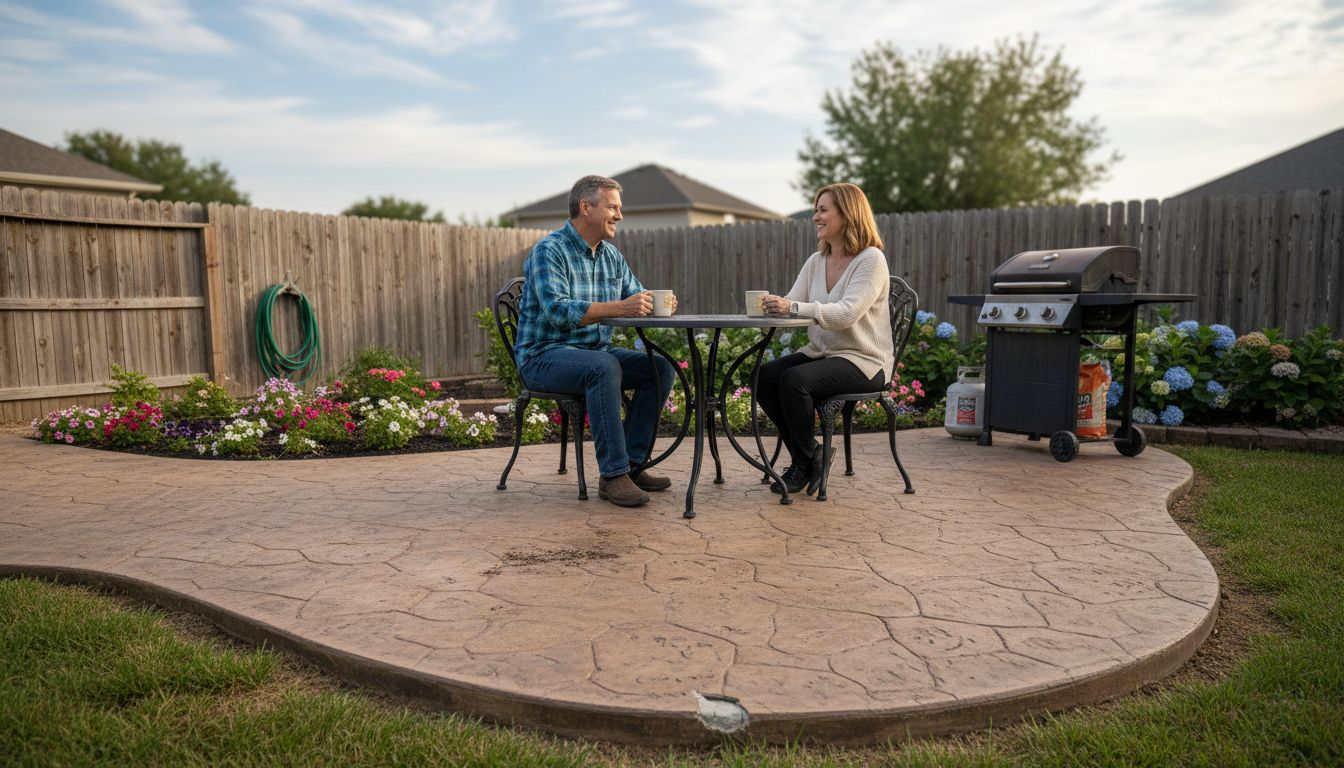
Choosing the right materials for your outdoor spaces can feel overwhelming. You want something that looks beautiful, stands up to Virginia weather, and improves your property without constant repairs or maintenance headaches. Not every surface delivers on all these needs, but ignoring those details can mean costly replacements and missed opportunities to impress guests or buyers.
Decorative concrete offers a unique blend of style and strength that solves these challenges. Modern finishing techniques and thoughtful design upgrades can give your home surprising curb appeal, greater value, and true longevity.
Get ready to discover practical, actionable ways decorative concrete can transform your outdoor areas into lasting investments that work for your budget and your lifestyle. Each insight will help you make smart choices for a property that stands out for years to come.
Table of Contents
Quick Summary
Key Insight | Explanation |
1. Enhance Curb Appeal with Custom Designs | Decorative concrete adds unique designs that elevate your home’s exterior, making it more attractive to visitors and potential buyers. |
2. Increase Home Value and Marketability | Upgrading with decorative concrete can significantly boost property value and attract more competitive offers from buyers. |
3. Offer Long-Lasting Durability and Strength | Decorative concrete provides robust surfaces that withstand weather, wear, and tear for decades, reducing long-term replacement costs. |
4. Require Low Maintenance and Easy Cleaning | Regular upkeep is minimal, allowing homeowners to enjoy their spaces without the hassle of constant cleaning or repairs. |
5. Support Eco-Friendly and Sustainable Options | Choosing decorative concrete with recycled materials reduces environmental impact while enhancing the beauty and function of outdoor spaces. |
1. Enhances Curb Appeal with Custom Designs
Your home’s first impression matters more than you might think. When potential buyers or guests pull up to your property, the outdoor spaces set the tone for everything they expect to find inside. Decorative concrete transforms these critical outdoor areas into custom showpieces that immediately capture attention and communicate quality.
Unlike standard gray concrete, decorative concrete techniques like stamping, staining, and polishing create surfaces that look completely different from what most people expect from a concrete patio or driveway. These methods allow you to customize colors, textures, and patterns that complement your home’s architecture and landscaping. The real power of decorative concrete lies in its versatility. You can achieve the look of natural stone, brick, wood, or intricate tile patterns without the maintenance nightmares that come with those materials.
Consider what happens when you walk past two homes in your Northern Virginia neighborhood. One features a plain gray concrete patio that blends into the background. The other showcases a stamped concrete patio in warm earth tones with patterns that mimic slate or flagstone. Which one catches your eye? Which property feels more carefully designed and maintained? The second one wins, hands down. Decorative concrete designs create that immediate visual impact that elevates your entire property’s appearance.
What makes decorative concrete even more valuable is its durability combined with minimal upkeep. Sealed surfaces resist stains and UV damage, meaning your beautiful custom design maintains its visual appeal for years without fading or deteriorating. You’re not just installing a surface that looks good today. You’re investing in a long-term visual asset that continues to impress without constant maintenance or expensive repairs. This staying power sets decorative concrete apart from materials that require regular sealing, staining, or replacement.
The practical application here is straightforward. When you’re planning a patio, driveway, or outdoor entertaining area, you have the opportunity to choose custom designs that reflect your personal style and boost your home’s overall attractiveness. Whether you prefer the rustic charm of a slate stamped finish, the elegance of a polished concrete surface, or the warmth of a stained concrete palette in rich browns and tans, decorative concrete delivers solutions that standard concrete simply cannot match.
Pro tip: When selecting your decorative concrete design, choose patterns and colors that complement your home’s existing architecture and landscaping rather than following trends, ensuring your investment remains visually appealing for decades without looking dated.
2. Increases Home Value and Marketability
If you’re thinking about selling your home in the future, every investment you make today either adds value or wastes money. Decorative concrete is one of those rare outdoor improvements that does both simultaneously. It boosts your property’s financial worth while making your home significantly more attractive to buyers.
Here’s the financial reality: when buyers walk through a property, they’re unconsciously calculating value based on what they see. A home with upgraded outdoor living spaces commands higher prices than comparable homes with standard concrete or worn landscaping. Decorative concrete increases property value because it delivers a triple impact that appeals to today’s buyers. First, it demonstrates that you’ve invested in quality improvements. Second, it offers immediate visual impact that makes your outdoor space feel more premium and intentional. Third, buyers recognize that decorative concrete eliminates their need to immediately replace or upgrade these surfaces after purchase.
The durability factor cannot be overstated. Unlike natural stone or wood that requires constant maintenance and occasional replacement, decorative concrete withstands harsh weather and heavy use while remaining beautiful. This resilience directly translates to lower long-term repair costs, which savvy buyers understand. When a potential buyer sees a well-maintained stamped concrete patio or a polished decorative concrete driveway, they’re not just seeing an attractive surface. They’re seeing an investment that will keep performing for years without demanding expensive repairs or replacements.
For Northern Virginia homeowners, this matters considerably. Our region experiences freeze-thaw cycles, variable humidity, and intense summer heat. Materials like exposed wood or unprotected natural stone often deteriorate rapidly in these conditions. Sealed decorative concrete, however, resists these environmental stressors. Buyers in our area specifically value this kind of durability because they understand our climate challenges. They see decorative concrete and think “This homeowner made smart choices.”
The marketability advantage goes beyond just the sale price. Homes with attractive outdoor spaces sell faster. Real estate agents consistently report that properties with customized outdoor areas generate more inquiries, more showings, and more competitive offers. When you have multiple buyers interested in your home, you gain negotiating power. That negotiating power often translates into selling at a higher price or securing better terms. Decorative concrete creates the visual appeal that stops scrollers from simply glancing at your listing photo and keeps them interested enough to schedule a showing.
Think about what happens when buyers compare your home to similar homes in your neighborhood. If three properties are nearly identical but one features beautiful, customized outdoor living spaces while the others have plain concrete or overgrown yards, which one stands out? The one with the decorative concrete will receive more attention, more offers, and often a higher final sale price. You’re not just upgrading your outdoor space for enjoyment today. You’re creating a competitive advantage for tomorrow’s sale.
Pro tip: Document your decorative concrete installation with high-quality photos and keep detailed records of the materials used, sealing applications, and maintenance performed, as this documentation can be a significant selling point when listing your home and proves the quality of your investment to potential buyers.
3. Offers Long-Lasting Durability and Strength
Outdoor surfaces face relentless punishment. Freeze-thaw cycles crack pavers, UV rays fade wood, and constant foot traffic wears away sealers on stone. Decorative concrete stands apart because it combines the legendary strength of standard concrete with protective finishes that resist scratches, stains, moisture, and heavy use.
This durability advantage starts with what lies beneath the beautiful surface. Concrete itself is one of the most durable building materials ever created. When you add decorative finishes like stamping, staining, and sealing, you’re not compromising that strength. Instead, you’re enhancing it with an additional protective layer. Think of it as giving your concrete an armor that shields it from the specific threats that damage outdoor surfaces.
What makes decorative concrete particularly valuable for outdoor spaces is how it performs under stress. A stamped concrete patio can withstand decades of family gatherings, children playing, and furniture moving without deteriorating. The sealing and finishing treatments extend the life of the surface far beyond what untreated concrete could achieve. You’re not just getting an attractive surface. You’re investing in a foundation that will keep performing reliably year after year in Northern Virginia’s challenging climate.
The real-world benefit here is obvious. Instead of replacing your patio every 7 to 10 years like you might with other materials, a properly installed and maintained decorative concrete surface can perform beautifully for 20, 25, or even 30 years. This longevity translates directly into cost savings. Over a 30-year period, one decorative concrete installation costs significantly less than multiple replacements of other patio materials. You’re not just saving money on the replacement itself. You’re avoiding the disruption, the labor costs, and the hassle of dealing with worn-out surfaces repeatedly.
The strength factor extends to high-demand applications too. Decorative concrete surfaces resist abrasion and wear in spaces that experience constant traffic. Commercial applications use decorative concrete in malls and offices precisely because it performs under intense demands while maintaining its appearance. When materials can handle commercial-level traffic and still look great, they can certainly handle residential use. Your backyard patio or driveway experiences nothing close to the demands placed on commercial decorative concrete installations.
Consider what happens during our harsh Northern Virginia winters. Temperature swings from freezing to above freezing cause materials to expand and contract repeatedly. Unsealed materials crack and crumble under this stress. Sealed decorative concrete resists moisture penetration, which means ice cannot form within the material and expand to cause damage. The protective sealant creates a barrier that keeps the underlying concrete strong and intact through countless seasonal cycles.
Chemical resistance matters too. Salt used for de-icing, spilled automotive fluids, and acidic substances from trees can damage unprotected surfaces. Sealed decorative concrete repels these threats, maintaining its structural integrity and appearance year after year. You can use your driveway through winter knowing that the materials protecting your investment are actively defending against the specific threats posed by the season.
The maintenance burden stays minimal because the durability works in your favor. You’re not constantly resealing, refinishing, or replacing damaged sections. A properly sealed decorative concrete surface simply continues to perform, requiring only occasional cleaning and resealing every few years as part of routine maintenance. This low-maintenance reality means you spend less time worrying about your outdoor spaces and more time enjoying them.
Pro tip: Invest in professional sealing when your decorative concrete is installed and commit to resealing every 2 to 3 years, as this maintenance schedule protects against water penetration and UV damage, ensuring your surface maintains its durability and appearance for decades.
4. Requires Low Maintenance and Easy Cleaning
Imagine spending your weekend enjoying your patio instead of scrubbing it obsessively or hiring expensive cleaners repeatedly. Decorative concrete makes this scenario real. Unlike natural stone that demands constant sealing, wood that requires regular staining, or pavers that trap dirt and weeds, decorative concrete stays beautiful with minimal effort.
The maintenance advantage comes from how decorative concrete is finished and sealed. When properly installed and protected, the sealed surface creates a barrier against stains, moisture, and dirt penetration. This means spilled wine, automotive fluids, or muddy footprints sit on top of the surface rather than soaking in and becoming permanent stains. You can actually clean up messes easily because they haven’t bonded to the material. Compare this to unsealed natural stone where spills immediately absorb into the porous surface and become nearly impossible to remove.
Cleaning decorative concrete requires only basic tools and simple steps. A soft-bristled broom sweeps away debris. For regular cleaning, you use low-pressure water and neutral pH cleaners, which keeps the sealed surface protected while removing dirt and grime. You’re not dealing with power washing damage, harsh chemical treatments, or complicated restoration processes. The straightforward approach means almost anyone can maintain their decorative concrete surface without special training or expensive equipment.
The practical reality is that decorative concrete fits into busy modern life. You sweep, you rinse, you move on. During spring when pollen coats everything, you can easily rinse it away. After entertaining guests, you can quickly clean up spills without worrying about permanent damage. When autumn leaves accumulate, sweeping takes minutes rather than hours of raking and treating like you would with wood or mulch-filled landscaping.
Preventative maintenance is where decorative concrete truly shines for long-term care. The key strategy involves timely resealing every 2 to 3 years, which protects decorative finishes from wear, UV exposure, and moisture penetration. This preventative approach reduces the need for costly repairs and ensures surfaces remain visually appealing with minimal ongoing effort. Think of resealing like changing the oil in your car. You invest a small amount of time and money periodically to avoid major problems down the road. A resealing appointment might take a few hours and a modest investment, but it prevents damage that could require expensive restoration or replacement.
What makes this maintenance schedule so appealing for homeowners is the predictability. You know exactly what’s required. No surprise repairs from freeze-thaw damage. No sudden deterioration from moisture infiltration. No emergency calls to contractors because your patio became suddenly unusable. Easy decorative concrete cleaning means you maintain control over your outdoor space’s condition and appearance.
Compare this to the maintenance burden of alternatives. Natural stone requires regular sealing, specialized cleaners, and professional restoration when stains happen. Wood requires annual staining or sealing, plus regular inspections for rot and damage. Pavers trap weeds and require herbicide treatments or manual weeding. Decorative concrete simply works. You maintain it with basic cleaning and occasional resealing. That’s the entire maintenance requirement.
For busy Northern Virginia families, this low-maintenance reality translates into more time with family and friends on your patio rather than time spent maintaining it. Your weekends stay yours. Your budget stays predictable. Your outdoor space stays beautiful without consuming your life.
Pro tip: Use a soft-bristled broom and neutral pH cleaner for regular maintenance, avoid high-pressure washing that can damage the sealant, and mark your calendar for resealing every 2 to 3 years to maintain the protective barrier and keep your investment looking pristine.
5. Provides Cost-Effective Outdoor Upgrades
Your outdoor budget has limits. Whether you’re working with a few thousand dollars or stretching to create the outdoor living space of your dreams, decorative concrete delivers luxury aesthetics without forcing you to choose between quality and affordability. This is where decorative concrete becomes genuinely transformative for homeowners who want dramatic improvements without dramatic price tags.
The cost advantage begins with material pricing. Natural stone, high-end pavers, or premium tile materials carry significant expenses before installation even begins. Decorative concrete achieves the visual appearance of these expensive materials at a fraction of the cost. You get the look of granite, slate, or intricate tilework through stamping and staining techniques without paying granite or slate prices. This approach lets your budget stretch further, allowing you to upgrade larger outdoor areas or allocate savings to other home improvement priorities.
Installation costs matter equally. Decorative concrete installs more efficiently than alternatives requiring individual piece placement and complex patterns. The installation timeline compresses, which means lower labor costs. You’re not paying workers for days of tedious individual tile placement or intricate paver arrangement. Instead, contractors apply decorative techniques to concrete that’s already been poured and finished. This efficiency advantage translates directly to your final bill.
But here’s what makes decorative concrete truly cost-effective. Look beyond the initial installation price and consider the complete financial picture over time. Decorative concrete reduces long-term expenses through its durability and minimal maintenance requirements. You’re not replacing worn surfaces every few years. You’re not continuously resealing or restoring damaged areas. You’re not hiring specialty contractors to address cracks, stains, or weather damage. Over a 20-year period, one decorative concrete installation costs significantly less than multiple replacements or constant repairs required by other materials.
Consider a practical example. A 400-square-foot patio using decorative concrete might cost around 8 to 12 dollars per square foot when professionally installed with stamping and staining. That projects to roughly 3200 to 4800 dollars total. Natural stone might cost 15 to 25 dollars per square foot. High-end tile could exceed 20 dollars per square foot. Beyond material costs, you’re avoiding future replacement expenses. Natural stone often needs replacement or major restoration within 15 to 20 years. Decorative concrete routinely performs for 25 to 30 years. The long-term financial advantage becomes undeniable.
Your maintenance budget also shrinks with decorative concrete. You’re not buying specialty stone cleaners or expensive sealers for different materials. You’re not paying for annual professional maintenance that some outdoor materials require. Basic cleaning with neutral pH cleaners and periodic resealing constitute your entire maintenance routine. This predictable, minimal ongoing cost keeps your budget under control year after year.
For Northern Virginia homeowners, the value equation becomes even more compelling. Our climate demands durable outdoor surfaces that withstand freeze-thaw cycles, UV exposure, and moisture challenges. Many budget-friendly alternatives deteriorate rapidly in our regional conditions, requiring quick replacement. Decorative concrete, however, thrives in our climate when properly installed and maintained. You’re investing in durability that actually performs in our specific environment rather than choosing materials that fail quickly and force expensive replacements.
The sustainability angle adds another dimension to the cost-effectiveness. Decorative concrete minimizes material waste and energy use compared to alternatives like natural stone extraction and processing. This approach supports sustainable building practices while keeping your budget manageable. You’re not just making a financially smart decision. You’re making an environmentally responsible one.
Pro tip: Get detailed quotes from multiple contractors that specify material costs, labor costs, and maintenance requirements separately, so you can accurately calculate the true cost of ownership over 20 years rather than focusing only on initial installation price.
6. Improves Safety with Slip-Resistant Surfaces
A wet patio becomes a hazard zone in seconds. Your child runs out to play after rain, your elderly parent walks to the garden, or guests arrive for an evening gathering on a damp surface. Slip and fall accidents happen in a heartbeat, and they can cause serious injuries. Decorative concrete solves this safety concern by incorporating slip-resistant treatments that improve traction without sacrificing the beautiful aesthetics you invested in.
The safety advantage comes from specialized treatments that work at the surface level. Slip-resistant concrete uses specialized aggregates and coatings to improve traction on surfaces, particularly in wet or high-traffic areas. Contractors add materials like silica sand or aluminum oxide to your decorative concrete, increasing surface friction that reduces slip and fall accidents. These treatments become part of the finished surface rather than something applied over it, meaning they don’t wear away quickly like some surface coatings.
What makes this approach brilliant is that you don’t sacrifice style for safety. Slip-resistant decorative concrete options combine safety with aesthetic appeal by incorporating textured finishes and exposed aggregates that look intentional and beautiful. Your patio doesn’t look like a utilitarian safety surface. It looks like a thoughtfully designed outdoor space that happens to prioritize the wellbeing of everyone using it. The texture becomes part of the design rather than a safety band-aid.
The practical application matters significantly for Northern Virginia homeowners. Our region experiences wet weather frequently. Spring rains, winter snow melt, and summer humidity all create slippery outdoor conditions. A decorative concrete patio with slip-resistant treatment keeps your family safe during these inevitable wet periods. You’re not constantly warning guests to be careful or worrying about your children or aging parents slipping and falling. The surface itself handles the safety responsibility.
Pool decks represent a particularly important application. Wet feet and smooth surfaces create genuine danger. Slip-resistant decorative concrete around pools combines the durability and low-maintenance benefits of concrete with the traction control that pool areas demand. Your outdoor entertaining space becomes safer without looking like a commercial facility. The textured finish looks intentional and attractive while genuinely reducing hazards.
Walkways benefit equally from slip-resistant treatment. Instead of smooth concrete paths that become treacherous when wet, textured slip-resistant surfaces keep foot traffic safe across your property. You can create clearly defined pathways with beautiful finishes that guide guests while protecting them from slips. This combination of function and form makes your entire outdoor space more usable and safer for everyone.
Ongoing maintenance preserves these safety properties. Unlike surfaces that degrade over time, properly maintained slip-resistant concrete retains its traction characteristics for years. You’re not constantly reapplying anti-slip treatments or dealing with deteriorating safety features. The original treatment integrated into the surface stays effective through normal use and basic maintenance. This longevity means your safety investment continues working reliably year after year.
The key insight here is that safety doesn’t require sacrificing style. Modern slip-resistant decorative concrete treatments prove that functional surfaces can be beautiful surfaces, giving you the best of both worlds for your outdoor space.
The peace of mind that comes with safer outdoor spaces proves invaluable. Parents relax when children play on textured surfaces that won’t cause slips. You confidently host outdoor gatherings without worrying about guest safety. Family members with mobility challenges or balance concerns can navigate your outdoor spaces with greater confidence. Safety becomes invisible because the surface simply works.
Pro tip: When planning your decorative concrete project, specifically request slip-resistant treatments during design consultation and discuss application methods like textured finishes or exposed aggregates that align with your aesthetic vision while maximizing traction.
7. Supports Eco-Friendly and Sustainable Options
Your outdoor space choices send a message about your values. When you prioritize sustainability in home improvements, you’re contributing to environmental protection while creating a beautiful space for your family. Decorative concrete offers genuine eco-friendly options that allow you to have both without compromise.
The sustainability advantage begins with material composition. Modern decorative concrete incorporates supplementary cementitious materials, recycled aggregates, and locally sourced waste materials to reduce the carbon footprint associated with traditional concrete production. Instead of relying solely on virgin materials extracted from the earth, manufacturers are leveraging what would otherwise become waste. Industrial by-products, recycled materials, and locally available resources replace a portion of traditional cement and aggregates. This approach dramatically reduces the environmental impact of production while maintaining the strength and durability your outdoor surfaces demand.
The science behind this shift is compelling. Advanced mix designs reduce greenhouse gas emissions while maintaining concrete’s functional and aesthetic properties. The concrete industry is actively evolving to integrate waste by-products and alternative materials, improving environmental performance without sacrificing quality. You’re not choosing a lower-quality product to be environmentally responsible. You’re choosing a modern material that represents current best practices in sustainable construction.
What makes this relevant for Northern Virginia homeowners is the alignment with global sustainability goals. The building industry contributes significantly to carbon emissions and waste generation. When you select decorative concrete with eco-friendly components, you’re supporting a shift toward carbon neutrality in construction. Your individual choice, multiplied across many homeowners making similar decisions, creates meaningful environmental impact.
The practical application is straightforward. When you consult with contractors about your decorative concrete project, specifically ask about sustainable material options. Inquire about whether they use recycled aggregates, supplementary cementitious materials, or locally sourced components. Progressive contractors are increasingly equipped to offer these options because demand is growing. You have agency in this decision. You can prioritize environmental responsibility while still achieving the beautiful custom patio or driveway you want.
The sustainability approach extends beyond just material selection. Using decorative concrete instead of materials requiring frequent replacement aligns with environmental goals. Every time a surface must be replaced, new materials are manufactured, transported, and installed. The old materials become waste requiring disposal. By choosing a durable decorative concrete surface that lasts 25 to 30 years instead of materials requiring replacement every 10 to 15 years, you reduce the total environmental impact over your home’s lifetime. Durability becomes an environmental strategy.
Maintenance practices contribute to the sustainability equation as well. The low-maintenance requirements of decorative concrete mean minimal chemical treatments, cleaning products, and resources consumed throughout the surface’s life. You’re not constantly applying sealers, stains, or treatments that introduce additional chemicals into the environment. Your sealed decorative concrete surface simply performs with basic care and occasional resealing using environmentally responsible products.
Local sourcing matters significantly for environmental impact. Materials sourced locally require shorter transportation distances, reducing fuel consumption and emissions from trucking. When contractors use recycled aggregates and waste materials from Northern Virginia sources, they’re minimizing the environmental cost of transportation while supporting local waste reduction initiatives. This localized approach strengthens community sustainability efforts while creating your beautiful outdoor space.
The environmental choice you make with decorative concrete proves that responsible practices don’t require sacrificing quality, beauty, or functionality. You get an investment that performs exceptionally well while respecting environmental limits.
The educational dimension here matters too. When you choose sustainable decorative concrete, you’re making a visible statement to family members and neighbors. Your outdoor space becomes a tangible demonstration that environmental responsibility is achievable in home improvement decisions. This influence extends beyond your property, encouraging others to consider sustainable options for their own projects.
Pro tip: Ask your contractor specifically about using recycled aggregates, supplementary cementitious materials, and locally sourced components, and request documentation of the sustainable practices incorporated into your decorative concrete mix design so you understand exactly how your project supports environmental goals.
Below is a comprehensive table summarizing the main points discussed throughout the article on the advantages and benefits of decorative concrete for residential outdoor spaces.
Aspect | Description | Benefits |
Enhancing Curb Appeal | Decorative concrete offers customizable design options to elevate outdoor spaces, including driveways, patios, and pathways. | Unique aesthetics that align with home architecture enhance property value and visual appeal. |
Increasing Home Value | Investing in decorative concrete significantly improves property marketability and resale value. | Long-lasting materials reduce replacement costs, attracting buyers seeking durable, aesthetically pleasing homes. |
Durability and Strength | Decorative concrete maintains structural integrity through challenging environmental conditions like freeze-thaw cycles and heavy use. | Minimal maintenance requirements and resistance to damage ensure the surface stays attractive and functional over time. |
Low Maintenance and Cleaning | Sealed decorative concrete requires straightforward cleaning routines with occasional resealing to maintain its appearance and durability. | Saves time and expense on maintenance compared to alternatives like stone or wood. |
Cost-Effectiveness | Achieves the look of high-end materials at a fraction of the cost, with efficient installation and lower long-term expenses. | Stretch budgets further by upgrading larger areas or allocating savings to additional projects. |
Safety Enhancements | Slip-resistant treatments improve traction without compromising the visual appeal, particularly in frequently wet or high-traffic areas like walkways and pool decks. | Provides peace of mind by reducing slip-and-fall hazards for family and guests. |
Environmental Sustainability | Incorporates sustainable practices such as recycled aggregates and eco-friendly production methods into decorative concrete projects. | Supports environmental conservation while delivering a durable and visually appealing product, aligning with global sustainability goals. |
Transform Your Outdoor Space with Expert Decorative Concrete Solutions
If you are looking to enhance your home with durable and visually stunning outdoor surfaces, decorative concrete offers the perfect balance between beauty, safety, and low maintenance. As highlighted in the article, custom designs, slip-resistant finishes, and eco-friendly materials address common homeowner challenges such as fading, wear, and safety concerns. Your goal of creating a lasting impression and increasing property value can be achieved with our specialized services.
At BNTS Construction, we specialize in Stamped Concrete as well as custom patios, foundations, and masonry work tailored to reflect your unique style and withstand Northern Virginia’s climate. Our professional team can help you enjoy the benefits of long-lasting strength and minimal upkeep while delivering the elegant outdoor space you envision.
Enhance your home today with decorative concrete that provides beauty and resilience combined. Visit BNTS Construction now and discover how our expertise in concrete and masonry can transform your outdoor living areas. Contact us to start your custom project and invest in a space designed to impress for years to come.
Frequently Asked Questions
What are the main benefits of using decorative concrete for outdoor spaces?
Using decorative concrete enhances curb appeal, increases home value, and provides long-lasting durability. To enjoy these benefits, consider implementing decorative concrete techniques in your outdoor projects to elevate your property’s aesthetic and financial value.
How does decorative concrete improve outdoor safety?
Decorative concrete can include slip-resistant treatments that enhance traction in wet conditions. Ensure you discuss incorporating these safety features during your design consultation to protect your family and guests from potential accidents.
What maintenance is required for decorative concrete surfaces?
Decorative concrete requires minimal maintenance, mainly consisting of occasional cleaning and resealing every 2 to 3 years. Schedule these maintenance tasks to keep your surfaces looking great and functioning well without significant effort.
How does decorative concrete compare cost-wise to traditional paving materials?
Decorative concrete is often more cost-effective than traditional materials like natural stone or pavers, both in terms of initial installation and long-term maintenance costs. Aim to obtain detailed quotes that highlight these savings to understand your budget options thoroughly.
Can decorative concrete be customized to match my home’s aesthetics?
Yes, decorative concrete offers various customization options such as colors, textures, and patterns that can complement your home’s architecture. Explore different design possibilities with your contractor to create a unique outdoor space that reflects your personal style.
Why is decorative concrete considered eco-friendly?
Decorative concrete can include sustainable materials and practices, such as using recycled aggregates and supplementary cementitious materials. When planning your project, inquire about these eco-friendly options to enhance your outdoor space responsibly.
Recommended
Comments