
6 Concrete Driveway Options to Upgrade Your Outdoor Space
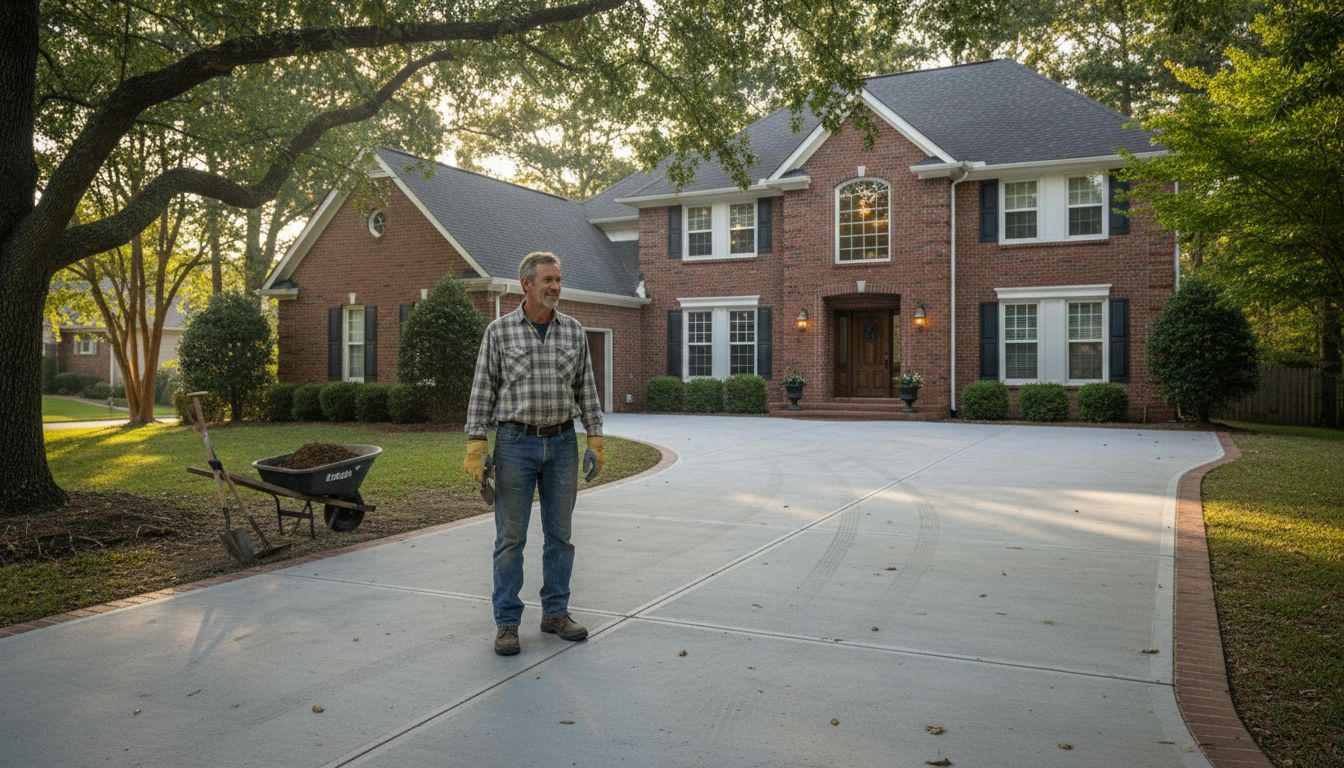
Choosing the right driveway for your Northern Virginia home can feel overwhelming, especially with so many options promising durability, style, and lasting value. Weather extremes and years of vehicle traffic put every surface to the test, and a single wrong step during installation or maintenance can shorten your driveway’s lifespan dramatically.
This guide gives you clear, actionable knowledge on what works best for local driveways—from tried-and-true concrete to eye-catching decorative finishes. You’ll uncover expert-backed construction tips, proven protection methods, and design choices that turn a plain entrance into a true highlight.
Get ready for practical solutions you can use today to extend your driveway’s life, boost your curb appeal, and avoid costly mistakes most homeowners never see coming.
Table of Contents
Quick Summary
Takeaway | Explanation |
1. Proper Installation is Crucial | A solid foundation and adequate thickness ensure your driveway withstands daily use and challenges from the local climate. |
2. Choose Sealing Wisely | Sealing protects your driveway from moisture, stains, and environmental damage, significantly extending its lifespan. |
3. Stamped Concrete Offers Versatility | Stamped concrete provides stunning aesthetics at a lower cost, with design flexibility to match your home’s style. |
4. Maintenance is Key for Longevity | Regular maintenance and sealing every 2-3 years keep your driveway looking new and prevent deterioration. |
5. Masonry Accents Enhance Curb Appeal | Incorporating brick or stone accents transforms a standard concrete driveway into an attractive focal point. |
1. Understanding Standard Concrete Driveways
Standard concrete driveways are the backbone of residential outdoor spaces throughout Northern Virginia. They offer a proven, reliable surface that homeowners have trusted for decades.
A concrete driveway is simply a paved surface made from cement, aggregates (sand and gravel), and water. When properly mixed and poured, these materials create a durable wearing surface that can handle your vehicles, seasonal weather, and everyday use.
What makes standard concrete so popular in our region? The answer lies in its straightforward durability and value. Unlike asphalt that softens in summer heat, concrete maintains its structure year-round. You get a surface that lasts 30 to 40 years with basic maintenance.
What Goes Into a Quality Standard Concrete Driveway
The strength of your driveway doesn’t come from what you see on the surface. It comes from what happens below.
Proper construction starts with a solid foundation. Your concrete contractor must prepare the subgrade (the ground underneath) with uniform compaction to prevent settling. This step prevents your driveway from cracking or developing ruts over time.
Thickness matters significantly. Standard driveway thickness of 4 inches minimum allows your concrete to support regular vehicle traffic without premature failure. Heavier vehicles or commercial use require thicker slabs, but for typical residential use, 4 inches is the benchmark.
Key construction elements include:
Proper drainage slope to shed water away from your home’s foundation
Control joints placed at regular intervals to direct where cracks naturally occur
Correct finishing techniques to prevent surface defects and scaling
Adequate curing time in your climate before driving on the surface
Northern Virginia’s freeze-thaw cycles require special attention. Winter temperatures drop below freezing, then warm up during the day. Water in your concrete expands and contracts, potentially causing damage. Proper concrete paving practices account for these climate variations during placement and curing.
Standard concrete driveways provide decades of reliable service when installed with attention to subgrade preparation, thickness, and proper drainage.
Why does this matter for your home? A properly constructed concrete driveway becomes an asset that enhances curb appeal and adds practical value to your property. You’re not just pouring concrete; you’re creating a surface designed to handle your region’s specific climate challenges.
The difference between a driveway that lasts 40 years and one that fails in 10 often comes down to these foundational decisions made during installation.
Pro tip: Ask your concrete contractor about their subgrade preparation process and curing timeline before signing a contract, especially if installation happens during fall or winter months when curing takes longer in Northern Virginia’s cooler temperatures.
2. Benefits of Stamped Concrete Driveways
Stamped concrete driveways transform your entryway from ordinary to extraordinary without the premium price tag of natural stone or brick. This option gives Northern Virginia homeowners the visual appeal they crave with the durability and cost-effectiveness they need.
So what exactly is stamped concrete? It’s colored concrete with patterns pressed or stamped into the surface while still wet. The result mimics expensive materials like slate, brick, cobblestone, or natural stone. You get the look without the maintenance headaches or sky-high costs.
Why Stamped Concrete Makes Sense for Your Driveway
The appeal starts with design versatility. Stamped concrete comes in numerous patterns and colors, allowing you to match your home’s architectural style perfectly. A modern minimalist home looks different from a traditional Colonial-style residence, and your driveway should reflect that.
Cost savings matter. Authentic brick or stone driveways can cost significantly more than stamped concrete, yet stamped concrete replicates that expensive look convincingly. You’re getting comparable aesthetics at a fraction of the investment.
Durability is a major advantage. Properly installed stamped concrete withstands weather extremes and heavy traffic, with lifespans extending over 25 years when maintained correctly. Northern Virginia’s freeze-thaw cycles won’t damage quality stamped concrete the way they might damage inferior surfaces.
Key benefits include:
Customizable patterns and colors to match your home’s style
Lower cost compared to genuine stone or brick alternatives
Slip resistance with specialized non-skid additives for safety
Minimal maintenance when sealed properly
Enhanced curb appeal that increases property value
Maintenance keeps your investment looking fresh. Stamped concrete requires regular sealing and occasional cleaning to maintain its appearance and protect against weather damage. A professional-grade sealant applied every 2-3 years preserves the color and pattern clarity.
Stamped concrete delivers the visual luxury of stone or brick at a fraction of the cost, with durability lasting several decades when properly maintained.
Professional installation matters tremendously. An experienced concrete contractor ensures pattern consistency and minimizes cracking risks. DIY stamping rarely produces the polished results you see from professionals.
Pro tip: Choose a stamped concrete pattern with wider lines and bolder textures, as these design elements age more gracefully and remain visually striking even as minor wear appears over time.
3. Choosing Decorative Concrete Finishes
Your driveway’s finish is like choosing the outfit for your home’s front entrance. The right finish not only looks stunning but also performs better and lasts longer. Understanding your options helps you make a decision that balances beauty with functionality.
Decorative concrete finishes transform ordinary concrete into attractive surfaces that enhance both aesthetics and performance. Each finish offers distinct benefits, from improved slip resistance to visual appeal. The key is matching the finish to your needs, climate, and budget.
Common Decorative Finish Options
A trowel finish creates a smooth, polished surface that looks sleek and modern. This finish works well for contemporary homes and is easier to keep clean than textured options.
A broom finish provides excellent slip resistance, making it safer for vehicles and foot traffic. The fine lines created by broom finishing add subtle texture without appearing rustic.
Exposed aggregate finishes reveal the colorful stones within your concrete. This creates visual depth and texture while offering natural slip resistance. The pebbles or stones you choose significantly impact the overall appearance.
Stamped concrete replicates brick, slate, cobblestone, or natural stone patterns. This option delivers high visual impact and is popular among Northern Virginia homeowners wanting upscale curb appeal.
Polished concrete offers a durable, shiny surface that reflects light beautifully. This high-maintenance option suits homeowners who want a contemporary, refined look.
Consider these factors when selecting your finish:
Climate impact on appearance and maintenance needs
Slip resistance requirements for safety
Maintenance commitment you’re willing to make
Aesthetic compatibility with your home’s style
Long-term durability in Northern Virginia’s weather
The finish you choose affects how your driveway ages. Textured finishes hide wear better than smooth ones. Decorative concrete methods offer different advantages depending on climate and intended use, so matching finish to your specific situation matters.
Your driveway’s finish determines both its visual appeal and how well it withstands weather, traffic, and time.
Northern Virginia’s humidity, freeze-thaw cycles, and temperature swings influence which finishes perform best. A professional contractor understands how your local climate interacts with different finish types.
Pro tip: Request concrete samples of your top finish choices and observe them in different lighting conditions, including early morning and late afternoon sun, before making your final decision.
4. Exploring Exposed Aggregate Surfaces
Exposed aggregate driveways showcase natural beauty in a way that plain concrete simply cannot match. This finish reveals colorful stones and pebbles embedded in your concrete, creating a surface that’s both visually striking and highly functional.
So what exactly is exposed aggregate? It’s a decorative concrete finish achieved by removing the top layer of cement paste to reveal the natural stones within the concrete mix. The result is a textured, slip-resistant surface that combines aesthetics with performance.
Why Exposed Aggregate Works for Northern Virginia Driveways
The slip-resistant surface is a major advantage. The exposed stones provide natural traction, making your driveway safer during rain or ice. This matters especially during Northern Virginia winters.
Durability stands out as another key benefit. Exposed aggregate is weather-resistant and withstands heavy wear from vehicle traffic and seasonal temperature swings. Your driveway maintains its integrity through freeze-thaw cycles that might damage other finishes.
Customization options let you choose your aesthetic. You select the aggregate type and color, meaning your driveway can reflect your home’s personality. Want warm earth tones or cool grays? The choice is yours.
Maintenance is surprisingly low. Unlike stamped concrete requiring frequent sealing, exposed aggregate stays relatively maintenance-free once installed. Occasional pressure washing keeps it looking fresh.
Key advantages include:
Natural slip resistance for safety year-round
Customizable aggregate colors and stone types
Weather-resistant durability lasting decades
Low maintenance after installation
Unique aesthetic appeal that enhances curb appeal
Cost-effective compared to natural stone alternatives
Exposed aggregate concrete offers durability and visual appeal that works beautifully in both residential and commercial settings. Proper installation involves careful surface preparation and finishing techniques to achieve consistent, attractive results.
Exposed aggregate delivers the upscale look of natural stone with better slip resistance and durability at a fraction of the cost.
The installation process matters significantly. Your contractor must properly prepare the surface, select quality aggregates, and execute finishing techniques correctly. A poorly done exposed aggregate driveway looks unfinished. Professional installation ensures your investment looks polished.
Pro tip: Visit the contractor’s previous exposed aggregate projects in person, preferably ones that have weathered at least two Northern Virginia winter seasons, to assess how the finish holds up over time.
5. Incorporating Masonry Accents in Driveways
Masonry accents transform a standard concrete driveway into a sophisticated outdoor feature that elevates your home’s entire aesthetic. By blending concrete with brick, stone, or pavers, you create visual interest and architectural depth that plain concrete cannot achieve.
Masonry accents involve strategically placing brick, natural stone, or decorative pavers within or alongside your concrete driveway. These elements break up large concrete expanses and create patterns that draw the eye. The result is a driveway that looks intentionally designed rather than purely functional.
Design Possibilities with Masonry Accents
Borders and edges frame your driveway beautifully. A masonry border in complementary colors or materials creates a finished, high-end appearance. This approach works especially well for driveways with curved edges.
Inlaid patterns embed masonry directly into your concrete surface. Imagine a geometric pattern created with brick or stone pieces set within the concrete. This creates visual cohesion while maintaining a single, unified surface.
Center medallions place a decorative masonry feature at the driveway’s center or entrance. A circular stone or brick pattern draws attention and becomes a striking focal point visible from the street.
Edge banding uses masonry to define the driveway’s perimeter. This technique is practical and beautiful, protecting edges while adding architectural interest.
Consider these design applications:
Complementary colors that match or accent your home’s exterior
Geometric patterns that reflect your home’s architectural style
Seasonal durability in Northern Virginia’s climate variations
Maintenance accessibility for sealing and cleaning
Integration with landscaping that creates visual flow
Masonry accents provide more than aesthetics. They define spaces, create visual hierarchy, and make your outdoor entrance feel intentional. Quality masonry work elevates your home’s overall appearance and combines functionality with artistic expression.
Masonry accents transform your driveway from a utilitarian surface into a design feature that enhances your home’s curb appeal.
Material selection matters significantly. Natural stone offers timeless elegance. Brick provides warmth and traditional appeal. Pavers offer modern versatility. Your choice should coordinate with your home’s existing materials and architectural style.
Professional installation ensures proper alignment, durability, and visual balance. Masonry accents require careful planning during the driveway design phase, not as an afterthought. A skilled contractor understands how materials work together and how weather affects different stone and brick types.
Pro tip: Photograph driveways with masonry accents in your neighborhood or online to gather inspiration, then bring images to your contractor to discuss feasibility, cost, and how accents can enhance your specific home’s architecture.
6. Maintaining and Sealing Your Concrete Driveway
Your concrete driveway investment deserves protection. Regular maintenance and proper sealing are the difference between a driveway that looks beautiful for decades and one that deteriorates prematurely. Think of sealing as preventative medicine for your outdoor surface.
Concrete is porous, meaning water, oils, and chemicals seep into its surface. Over time, this moisture causes cracking, staining, and deterioration. Sealing creates a protective barrier that prevents these problems before they start.
Why Sealing Matters in Northern Virginia
Our region’s climate is particularly hard on unsealed concrete. Freeze-thaw cycles, heavy rain, road salt, and UV exposure all break down unprotected surfaces. Sealed concrete resists these environmental stressors significantly better.
Staining becomes less of an issue with sealed concrete. Oil drips, tire marks, and dirt don’t penetrate the surface as easily. Cleanup requires simple sweeping or washing rather than aggressive scrubbing.
Color preservation is another key benefit. Sealed concrete maintains its original color and appearance longer than exposed concrete. If you chose a decorative finish, sealing keeps those colors vibrant.
Durability extends your driveway’s lifespan substantially. A sealed driveway can easily last 30 to 40 years, while unsealed concrete deteriorates much faster. The investment in sealing pays dividends over time.
Key maintenance and sealing benefits include:
Water resistance prevents moisture penetration and cracking
Stain protection keeps your surface looking clean longer
Enhanced durability for Northern Virginia’s weather extremes
Easier cleaning with less aggressive scrubbing needed
Extended lifespan adding years to your driveway’s life
Color preservation maintaining your chosen finish appearance
Sealing Timeline and Best Practices
New concrete should cure for 28 days before sealing. Concrete sealing protects decorative finishes and standard surfaces alike from environmental damage and staining.
Reseal every 2 to 3 years for optimal protection. Northern Virginia’s climate accelerates seal degradation, so more frequent resealing protects your investment. Fall is an ideal time to seal before winter arrives.
Professional sealing ensures proper application. DIY sealing often results in uneven coverage, streaking, or inadequate protection. A contractor applies sealant correctly for maximum durability.
Regular sealing transforms your concrete driveway from a high-maintenance surface into a protected investment that looks better longer.
Cleaning before sealing is essential. Remove dirt, debris, and stains so the sealant adheres properly. Your contractor handles this preparation professionally.
Pro tip: Schedule your driveway sealing for late summer or early fall, allowing the sealant to cure fully before winter freeze-thaw cycles begin in Northern Virginia.
Below is a comprehensive table summarizing the key points discussed in the article about concrete driveways, including their types, benefits, and important considerations.
Transform Your Northern Virginia Driveway with Expert Concrete Solutions
Choosing the right concrete driveway option can feel overwhelming. Whether you are deciding between standard concrete, stamped patterns, or incorporating masonry accents the challenges include durability in freeze-thaw conditions, slip resistance, and enhancing curb appeal. At the heart of the article is the need for a driveway that not only withstands Northern Virginia’s climate but also elevates your home’s value and beauty.
If you want a driveway built with precision, designed to last, and tailored to your style preferences explore our wide range of services including Stamped Concrete and Masonry Work. Our expertise in subgrade preparation, finishing techniques, and sealing will ensure your investment performs beautifully for decades to come. Don’t wait until minor cracks turn into costly repairs take action now and contact us at BNTS Construction to schedule a consultation and upgrade your outdoor space with confidence.
Frequently Asked Questions
What are the benefits of a standard concrete driveway?
Standard concrete driveways offer exceptional durability, lasting 30 to 40 years with proper maintenance. To maximize their lifespan, ensure your contractor focuses on proper subgrade preparation and drainage during installation.
How often should I seal my concrete driveway to maintain its appearance?
It’s best to reseal your concrete driveway every 2 to 3 years to protect it from stains and environmental damage. Schedule sealing in the fall to ensure it cures properly before winter.
What is stamped concrete, and why should I consider it for my driveway?
Stamped concrete is a colored concrete that has patterns imprinted on it, mimicking high-end materials like stone or brick. Consider it for its aesthetic appeal and lower cost compared to natural stone alternatives, offering a beautiful driveway for years with minimal maintenance.
How does exposed aggregate compare to other finishes for driveways?
Exposed aggregate provides a visually striking, textured surface while boasting natural slip resistance and low maintenance. If you value aesthetics and practicality, choose this option for a unique look that lasts decades.
What are masonry accents, and how can they enhance my concrete driveway?
Masonry accents, such as brick or stone borders, can elevate the design of your concrete driveway. Incorporate these features during the design phase to create visually interesting patterns and ensure they complement your home’s architecture.
What factors should I consider when selecting a decorative concrete finish?
When choosing a decorative concrete finish, consider climate impact, slip resistance, and aesthetic compatibility with your home. Prioritize finishes that are durable in your specific climate to ensure long-lasting beauty and functionality.
Recommended
Comments