
Concrete Crack Repair: Restore Your Outdoor Spaces
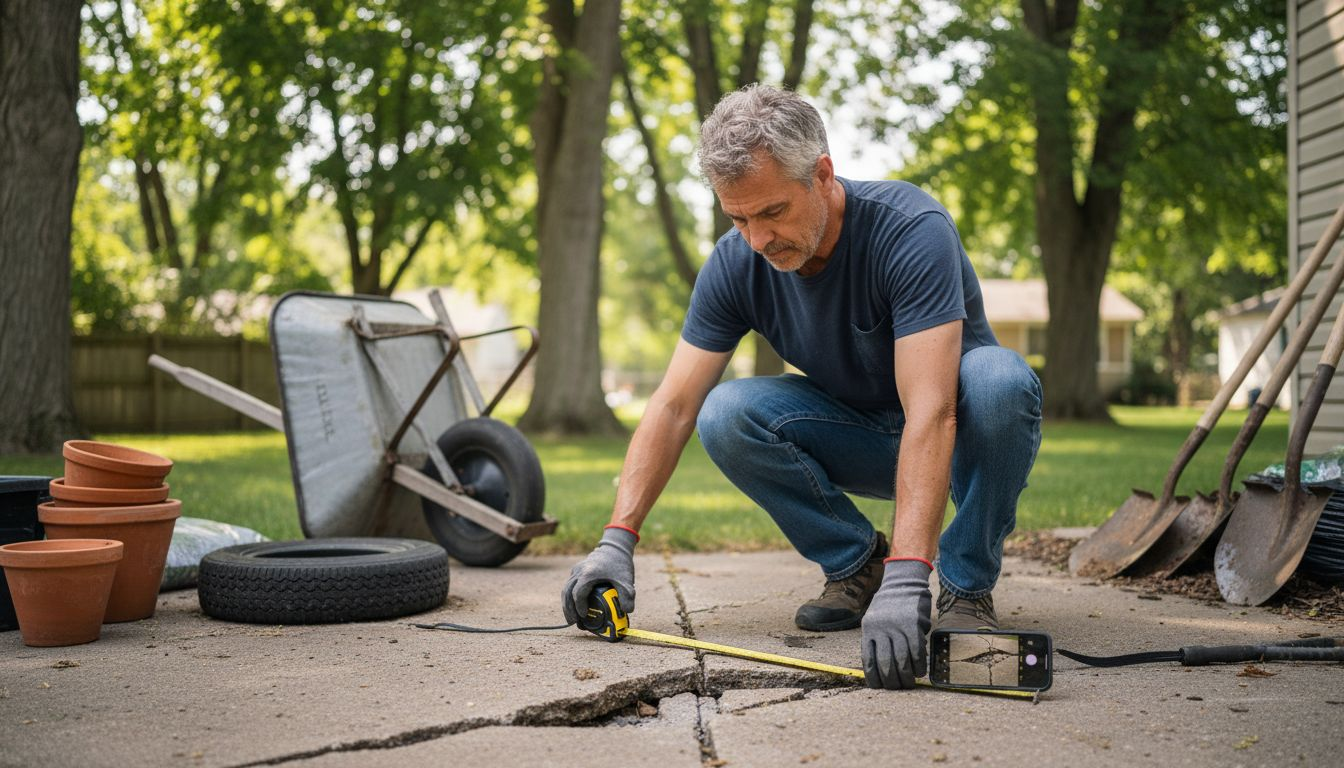
Cracked concrete on patios, walkways, or driveways in Northern Virginia can turn a beautiful outdoor space into a source of stress. Seasonal temperature shifts and soil movement often lead to unpredictable cracks that detract from your home’s curb appeal and may signal deeper structural concerns. This guide highlights practical concrete crack repair techniques, helping homeowners take action with confidence and protect both their decorative surfaces and long-term investment. Understanding the nature and causes of cracks is your first step toward durable, attractive repairs.
Table of Contents
Key Takeaways
Point | Details |
Understanding Crack Types | Familiarize yourself with different types of concrete cracks to address issues appropriately before they escalate. |
Repair Preparation | Proper cleaning and surface preparation are critical for successful repair outcomes. |
Material Selection | Choose repair materials based on crack width, environmental exposure, and the nature of the damage for lasting repairs. |
Professional Intervention | Seek professional help for complex issues or when cracks exceed 1/4 inch to prevent costly future damage. |
Concrete crack repair basics explained
Concrete cracks are more than unsightly surface blemishes - they represent potential structural vulnerabilities that demand prompt attention. Fundamental stress mechanisms reveal that cracks develop through complex interactions between material properties, environmental conditions, and applied loads.
Understanding crack types is crucial for effective repair. Concrete can experience several distinct crack categories:
Hairline Cracks: Thin surface fractures less than 1/8 inch wide
Structural Cracks: Deeper fissures indicating potential foundation or load-bearing issues
Settlement Cracks: Caused by ground movement or improper initial concrete placement
Shrinkage Cracks: Resulting from concrete volume reduction during curing process
Most residential concrete cracks stem from predictable factors. Temperature fluctuations, soil movement, and improper initial installation can all contribute to concrete deterioration. Northern Virginia’s variable climate - with dramatic seasonal shifts - makes homeowners especially susceptible to these challenges.
Repairing concrete requires understanding both cosmetic and structural implications. Effective restoration involves:
Thoroughly cleaning the crack area
Selecting appropriate repair materials
Preparing the surface for proper product application
Applying repair compound with precision
Allowing adequate curing time
Pro tip: Always inspect concrete cracks annually, addressing minor issues before they escalate into expensive structural problems.
Types of concrete cracks and causes
Concrete cracks are complex structural indicators that reveal underlying material stress and environmental interactions. Detailed crack classification systems demonstrate that not all concrete damage is created equal, with each crack type signaling unique diagnostic information.
The primary categories of concrete cracks include:
Plastic Shrinkage Cracks: Occur during initial concrete setting, appearing before complete hardening
Hairline Cracks: Superficial surface fractures less than 1/16 inch wide
Settlement Cracks: Result from uneven ground movement or improper foundation preparation
Structural Cracks: Indicate potential load-bearing or foundational issues
Crazing Cracks: Intricate network of fine surface fractures resembling spider webs
Multiple factors contribute to concrete crack formation. Environmental conditions like temperature fluctuations, humidity levels, and soil composition play significant roles. Northern Virginia’s climate - characterized by humid summers and freezing winters - creates challenging conditions for concrete longevity.
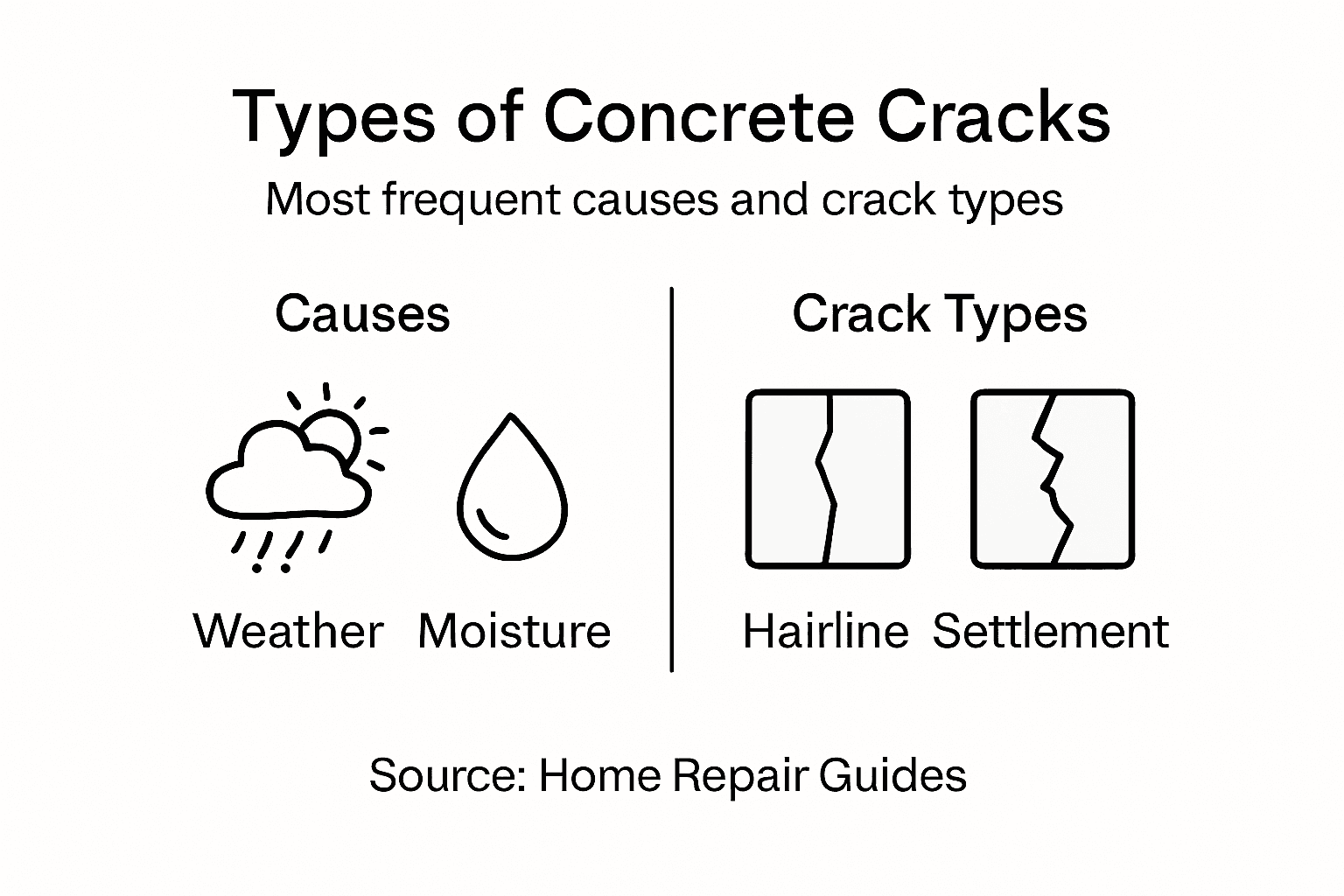
Here’s a quick comparison of common concrete crack types and their implications:
Crack Type | Visual Appearance | Typical Cause | Repair Priority |
Hairline | Thin, shallow line | Temperature or shrinkage | Low unless spreading |
Structural | Wide, deep fissure | Load or foundation issues | High, needs urgent fix |
Settlement | Irregular, uneven gaps | Soil or ground movement | Medium to high |
Crazing | Fine surface webbing | Rapid drying or poor curing | Cosmetic, monitor |
Understanding crack origins helps homeowners develop proactive maintenance strategies. Major causative factors include:
Improper initial concrete mixing
Insufficient water-to-cement ratios
Rapid moisture evaporation during curing
Inadequate ground preparation
Extreme temperature variations
Pro tip: Photograph and measure concrete cracks annually to track their progression and determine whether professional intervention is necessary.
DIY repair methods for home surfaces
Homeowners facing concrete damage have several effective strategies for addressing surface cracks and imperfections. Practical repair techniques offer accessible solutions that can restore concrete surfaces without requiring extensive professional intervention.
The essential tools and materials for DIY concrete repair include:
Concrete patch mix: Pre-mixed or dry powder repair compounds
Trowel: For smooth application and leveling
Wire brush: To clean and prepare surface area
Protective gear: Safety glasses and work gloves
Caulking gun: For precise crack filling
Concrete sealant: To protect repaired surfaces
Successful DIY concrete repair requires careful preparation and systematic approach. Critical steps involve thoroughly cleaning the damaged area, removing loose debris, and ensuring proper surface preparation before applying any repair materials.
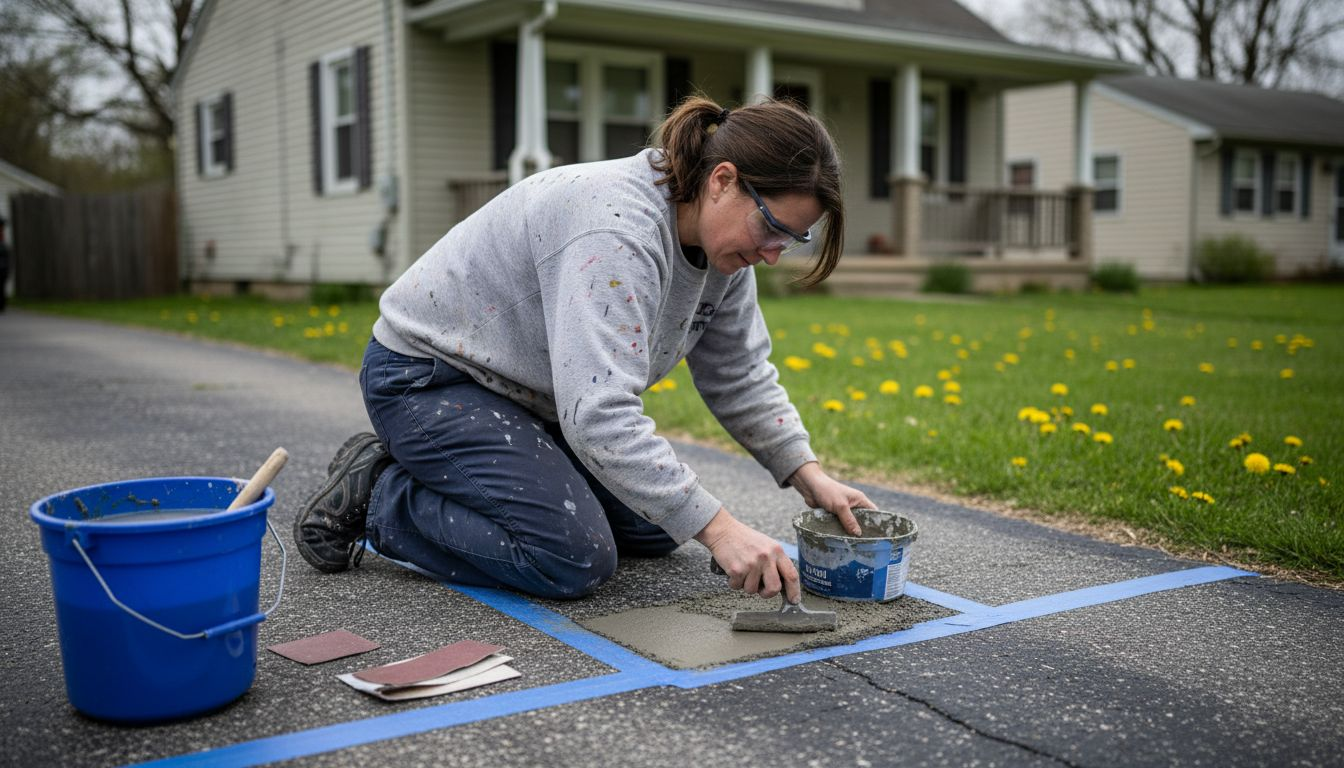
Typical DIY repair methods for different crack types include:
The table below summarizes popular DIY crack repair materials and their best uses:
Material Type | Best For | Notable Advantage |
Epoxy injection | Structural and deep cracks | Forms strong, durable bond |
Polymer-modified mortar | Surface spalls and moderate cracks | Flexible, resists weather |
Hydraulic cement | Active leaks or water intrusion | Quick-setting, water-tight |
Latex-based crack filler | Small, cosmetic cracks | Easy to apply, blends in |
Silicone-based sealant | Expansion joints | Stays flexible, waterproof |
Epoxy injection for structural cracks
Polymer-modified mortar for surface spalling
Hydraulic cement for water-related damage
Latex-based concrete patch for hairline fractures
Masonry crack filler for decorative surfaces
Pro tip: Always test repair materials on a small, inconspicuous area first to ensure color matching and proper adhesion.
Choosing materials for lasting repairs
Selecting the right repair materials is critical for maintaining concrete’s structural integrity and aesthetic appeal. Repair material selection strategies depend on understanding the unique characteristics of different concrete repair compounds and their compatibility with existing surfaces.
Key considerations for material selection include:
Crack Width: Determines appropriate repair compound
Environmental Exposure: Influences material durability
Structural Significance: Impacts repair method complexity
Temperature Range: Affects material performance
Bonding Requirements: Determines adhesive compatibility
Concrete repair materials offer diverse options for addressing different damage types. Homeowners in Northern Virginia should consider materials that can withstand rapid temperature fluctuations and high humidity levels typical of the region’s climate.
The most common concrete repair materials include:
Polymer-modified cementitious mortars
Epoxy injection systems
Hydraulic cement compounds
Latex-based crack fillers
Silicone-based sealants
Pro tip: Conduct a small patch test with your chosen repair material to ensure color matching and proper adhesion before completing the entire repair.
Common mistakes and safety precautions
Concrete repair demands meticulous attention to detail and safety protocols. Common repair mistakes can compromise both the structural integrity of the repair and the personal safety of the homeowner.
Frequent errors that undermine concrete repair effectiveness include:
Inadequate Surface Preparation: Failing to clean and remove loose debris
Incorrect Material Mixing: Not following manufacturer’s precise instructions
Improper Environmental Conditions: Attempting repairs during extreme temperatures
Insufficient Protective Equipment: Working without proper safety gear
Neglecting Moisture Control: Ignoring humidity and moisture levels
Safety precautions are paramount when undertaking concrete repair projects. Northern Virginia homeowners should prioritize personal protection and follow systematic approaches to minimize potential risks.
Critical safety steps for concrete repair include:
Wear protective eyewear and chemical-resistant gloves
Work in well-ventilated areas
Use respiratory protection when handling chemical compounds
Keep first aid kit readily accessible
Read and follow all manufacturer safety instructions
Pro tip: Always keep a fire extinguisher nearby when working with chemical repair materials and ensure you have proper ventilation to prevent potential hazardous fume buildup.
Cost considerations and professional help
Navigating concrete repair expenses requires strategic planning and understanding of potential long-term impacts. Concrete repair cost analysis reveals that upfront investment can significantly influence future maintenance expenses and structural integrity.
Key cost factors for concrete repair include:
Material Complexity: Higher-grade repair compounds cost more
Damage Extent: Larger areas require more resources
Repair Method: Advanced techniques increase overall expense
Labor Costs: Professional intervention adds to total project price
Long-term Durability: Quality repairs reduce future maintenance
Homeowners in Northern Virginia should carefully evaluate whether a repair project requires professional expertise. While DIY approaches can save initial expenses, complex structural issues demand specialized intervention to prevent costly future damages.
Decision-making criteria for professional help involve:
Crack width exceeding 1/4 inch
Visible structural deformation
Repeated crack reoccurrence
Signs of foundation settlement
Complex repair techniques required
Pro tip: Request multiple contractor estimates and compare not just price, but warranty coverage and recommended repair methodologies to ensure comprehensive value.
Restore Your Concrete with Expert Care from BNTS Construction
Cracks in your concrete surfaces are more than just visual flaws. They can signal serious structural issues like foundation settlement or shrinking that threaten the safety and durability of your outdoor spaces. Whether you face hairline fractures or deeper structural cracks, BNTS Construction offers tailored solutions to address these challenges. Our expertise covers stamped concrete, regular concrete, masonry work, custom patios, foundations, and additions to help you protect and beautify your property.

Don’t wait until small cracks turn into costly repairs. Experience the lasting benefits of professionally applied repairs and upgrades that stand up to Northern Virginia’s harsh climate. Visit BNTS Construction today to explore how our services can restore your concrete’s strength and appeal. Secure your home’s foundation with trusted experts who understand crack repair and beyond. Contact us now and take the first step toward a safer, more stunning outdoor living area.
Frequently Asked Questions
What are the common types of concrete cracks?
Concrete cracks can be categorized into various types including hairline cracks, structural cracks, settlement cracks, shrinkage cracks, and crazing cracks. Each type signals different underlying issues and requires specific repair strategies.
How do I determine if a crack is serious enough to require professional help?
If a crack exceeds 1/4 inch in width, shows visible structural deformation, recurs frequently, indicates foundation settlement, or involves complex repair techniques, it is advisable to seek professional assistance.
What materials are recommended for DIY concrete crack repairs?
Popular materials for DIY concrete repairs include epoxy injection systems for structural cracks, polymer-modified mortars for surface damage, hydraulic cement for water issues, latex-based crack fillers for minor imperfections, and silicone-based sealants for expansion joints.
How can I ensure a successful concrete crack repair?
To ensure successful concrete repair, thoroughly clean the damaged area, select the appropriate repair material based on the crack type, follow manufacturer instructions for mixing and applying the products, and allow adequate curing time for best results.
Recommended
Comments