
Decorative Concrete: Transforming Outdoor Spaces
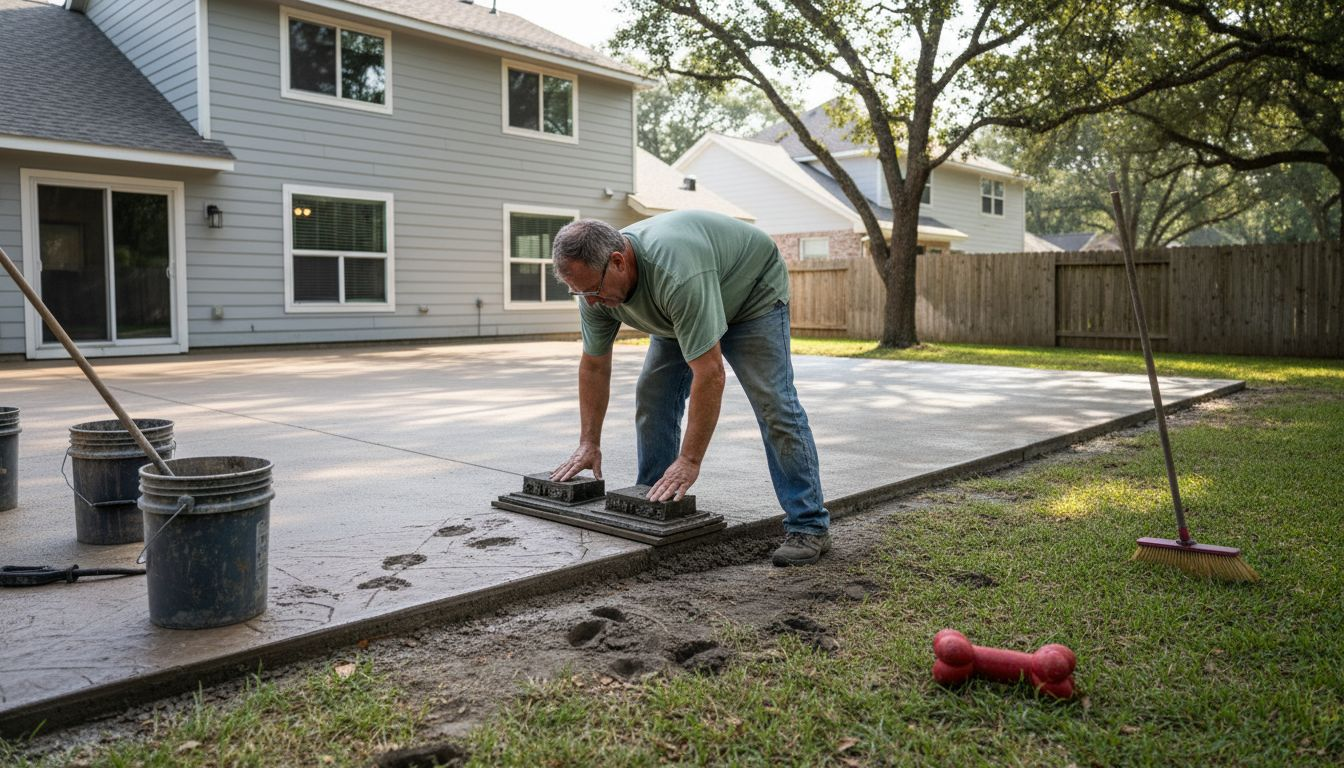
Choosing the right outdoor surface goes far beyond basic function for many Northern Virginia homeowners. When plain gray slabs leave patios and walkways looking unfinished, innovative options like stamped concrete or epoxy coatings offer the chance to create truly unique designs. With decorative concrete transforming basic concrete into artistic outdoor showcases, you can blend personal style with long-lasting durability and reimagine curb appeal for any outdoor space.
Table of Contents
Key Takeaways
Point | Details |
Versatility of Decorative Concrete | Decorative concrete can enhance outdoor spaces with artistic finishes that mimic natural materials while providing durability. |
Importance of Material Selection | Choosing the right materials and techniques is crucial, considering climate and specific design preferences for optimal outcomes. |
Cost Considerations | Careful budgeting is essential, with understanding that factors such as finish complexity and area size significantly influence costs. |
Avoiding Installation Mistakes | Attention to detail during installation is vital to prevent common errors that can affect both the aesthetics and durability of the surface. |
Understanding Decorative Concrete Basics
Decorative concrete transforms ordinary surfaces into artistic canvases, blending functionality with aesthetic appeal. By utilizing specialized techniques, homeowners can elevate their outdoor spaces from basic gray slabs to stunning design features. Concrete design principles demonstrate how modern concrete applications extend far beyond traditional utilitarian purposes.
At its core, decorative concrete involves modifying standard concrete through various creative methods to enhance visual interest and texture. These techniques include:
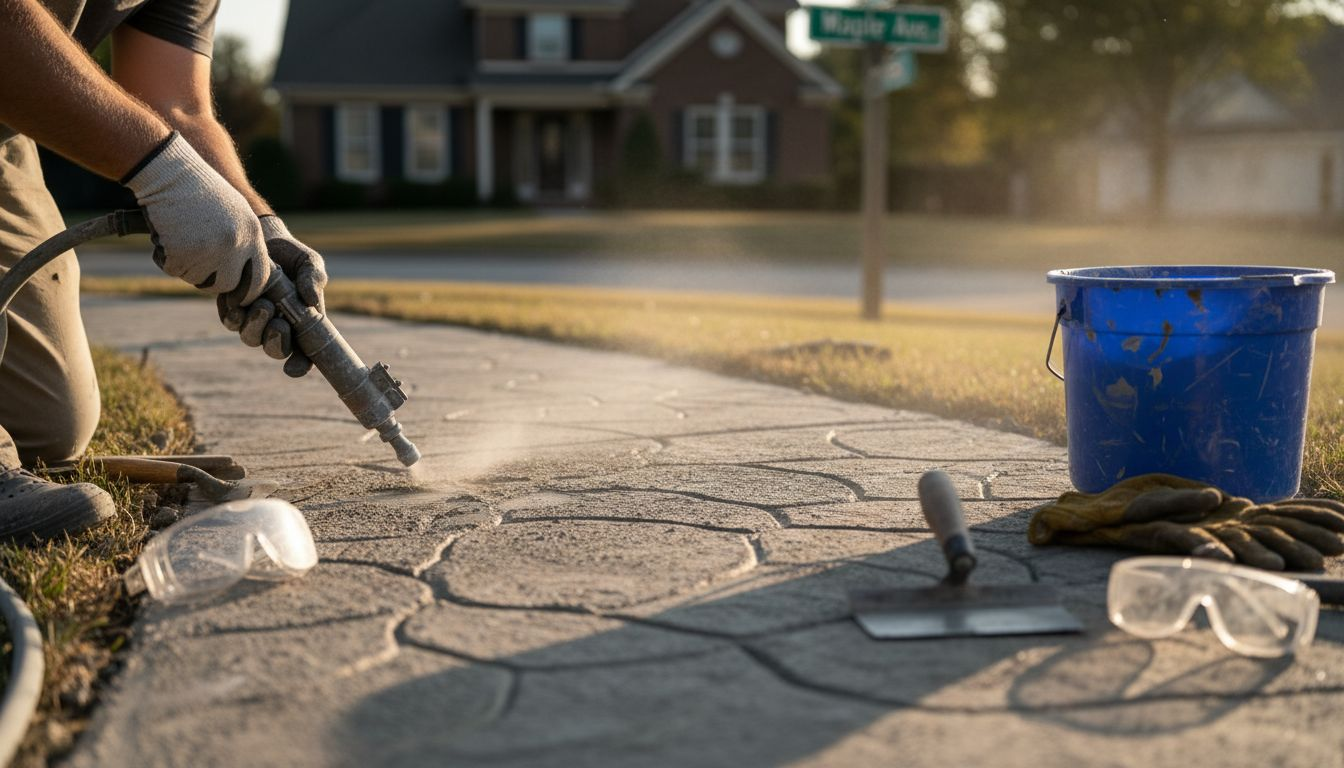
Stamping: Imprinting patterns that mimic natural stone, brick, or tile
Staining: Adding color depth and translucent visual layers
Polishing: Creating smooth, glossy surface finishes
Overlays: Applying thin, design-rich coatings over existing concrete
The beauty of decorative concrete lies in its versatility. Homeowners can customize surfaces for patios, walkways, pool decks, and driveways, achieving unique looks that complement their architectural style. Unlike traditional landscaping materials, concrete offers unparalleled design flexibility and durability.
Decorative concrete transforms functional surfaces into personalized artistic expressions, merging practicality with creative design.
Material Selection plays a critical role in successful decorative concrete projects. Factors like climate, intended use, and aesthetic preferences determine the most appropriate technique and finish. Northern Virginia homeowners, for instance, require solutions that withstand seasonal temperature variations and humid conditions.
Pro tip: Always consult professional concrete specialists who understand local environmental challenges and can recommend the most suitable decorative concrete approach for your specific outdoor space.
Types of Decorative Concrete Finishes
Decorative concrete offers homeowners an impressive array of finish options to transform ordinary surfaces into extraordinary design elements. Concrete finish techniques have evolved dramatically, providing multiple aesthetic and functional approaches for outdoor spaces.
The primary types of decorative concrete finishes include:
Stamped Concrete: Creating intricate patterns that mimic natural materials like stone, brick, or wood
Acid Staining: Producing translucent, variegated color effects with unique marbling
Exposed Aggregate: Revealing decorative stones and textures by removing surface cement
Polished Concrete: Grinding and smoothing surfaces to achieve a glossy, refined appearance
Overlay Finishes: Applying thin, customizable layers to existing concrete surfaces
Each finish offers distinct visual and functional characteristics. Stamped concrete, for instance, can replicate expensive materials at a fraction of the cost, while polished concrete provides a sleek, modern aesthetic perfect for contemporary outdoor designs.
The right decorative concrete finish can dramatically enhance your property’s visual appeal and functional value.
Specific techniques like sandblasting, chemical etching, and specialized coloration allow for unprecedented customization. Homeowners in Northern Virginia can select finishes that complement local architectural styles and withstand regional climate challenges.
Here’s a comparison of popular decorative concrete finishes and where they are best used:
Finish Type | Recommended Application | Distinctive Benefit |
Stamped Concrete | Driveways, patios | Mimics stone and brick looks |
Acid Staining | Walkways, pool decks | Unique marbled color effects |
Exposed Aggregate | High-traffic surfaces | Slip-resistant and durable |
Polished Concrete | Modern patios, interiors | High-gloss contemporary look |
Overlay Finishes | Renovating old concrete | Fresh design without removal |
Pro tip: Consult with professional concrete specialists to determine the most suitable finish for your specific outdoor space and environmental conditions.
How Decorative Concrete Enhances Spaces
Decorative concrete transforms ordinary outdoor areas into extraordinary living spaces, offering homeowners unprecedented design flexibility and functionality. Concrete enhancement techniques go far beyond traditional grey surfaces, creating visually stunning and practical environments that reflect personal style and architectural preferences.
The key ways decorative concrete enhances outdoor spaces include:
Aesthetic Versatility: Mimicking high-end materials like natural stone, wood, or brick
Customization: Creating unique color patterns and textures
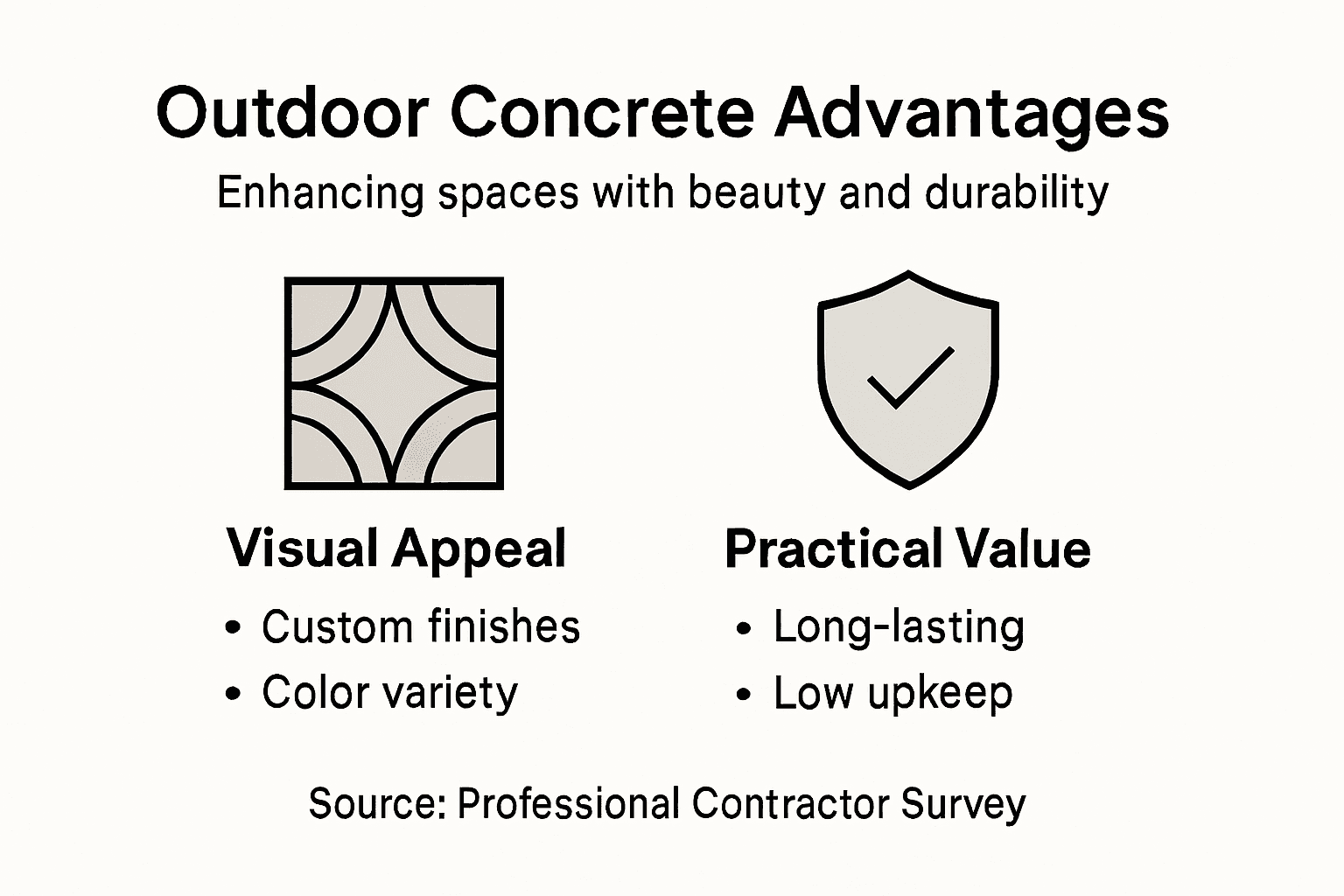
Durability: Providing long-lasting surfaces that withstand heavy foot traffic
Cost-Effectiveness: Achieving luxurious looks at a fraction of traditional material costs
Design Integration: Complementing existing landscape and architectural elements
Unlike traditional landscaping materials, decorative concrete offers remarkable adaptability. Homeowners can design surfaces that seamlessly blend functional requirements with artistic expression, turning patios, walkways, and driveways into true extensions of their living spaces.
Decorative concrete transforms mere surfaces into personalized design statements that reflect individual style and enhance property value.
Regional considerations play a crucial role in selecting the right decorative concrete approach. In Northern Virginia, for instance, homeowners must consider factors like seasonal temperature variations, humidity levels, and local architectural styles when choosing concrete finishes.
Pro tip: Invest time in consulting professional concrete specialists who can help you select the most appropriate finish that balances aesthetic desires with practical performance requirements.
Cost Factors and Budgeting Tips
Decorative concrete projects require careful financial planning to balance aesthetic desires with budget constraints. Concrete project cost considerations involve multiple factors that can significantly impact the overall investment homeowners will make in their outdoor spaces.
Key cost factors for decorative concrete include:
Material Selection: Different finishes and techniques dramatically affect pricing
Surface Complexity: Intricate designs and patterns increase labor and material expenses
Area Size: Larger project spaces require more materials and extended labor time
Preparation Requirements: Existing surface condition can add unexpected costs
Finish Complexity: Advanced techniques like stamping or multiple color treatments increase project expenses
In Northern Virginia, decorative concrete costs typically range from $8 to $20 per square foot, depending on the specific design and finish selected. Homeowners should budget for potential additional expenses such as surface preparation, potential repairs, and specialized finishing techniques.
Careful planning and transparent communication with concrete specialists can help manage project costs and prevent unexpected financial surprises.
Regional factors like local labor rates, material availability, and seasonal demand can also influence overall project pricing. Understanding these variables helps homeowners make informed decisions about their decorative concrete investments.
Pro tip: Request detailed quotes from multiple professional concrete specialists and always include a 10-15% contingency budget for unexpected project complexities.
Common Installation Mistakes to Avoid
Decorative concrete installation requires precision and expertise to avoid costly errors that can compromise the project’s aesthetic and structural integrity. Concrete installation best practices highlight critical areas where homeowners and contractors must exercise extreme caution during the process.
The most frequent installation mistakes include:
Inadequate Surface Preparation: Failing to properly clean, level, and prime the existing surface
Incorrect Mix Design: Using inappropriate concrete mixtures for the specific project requirements
Poor Timing: Rushing or delaying critical installation steps
Improper Moisture Control: Neglecting humidity and temperature considerations
Insufficient Reinforcement: Skipping or improperly placing reinforcement materials
Northern Virginia’s unique climate presents additional challenges for decorative concrete installations. Seasonal temperature fluctuations and humidity levels can dramatically impact the concrete setting process, making professional expertise crucial for successful outcomes.
Attention to detail during installation determines the long-term performance and appearance of decorative concrete surfaces.
Each installation stage demands careful consideration. From initial surface preparation to final finishing techniques, even minor oversights can result in significant visual and structural defects that compromise the entire project’s quality and longevity.
Below is a quick guide to common installation mistakes and their potential consequences:
Mistake | Likely Consequence | Best Prevention Tip |
Inadequate Prep | Cracking, poor adhesion | Thoroughly clean and level first |
Incorrect Mix Design | Surface failure, discoloration | Use mix suited for climate and use |
Poor Timing | Irregular textures or weak sets | Follow proper curing schedules |
Improper Moisture Control | Premature cracking | Monitor humidity and weather |
Insufficient Reinforcement | Structural weakness | Use appropriate reinforcement |
Pro tip: Always work with experienced concrete specialists who understand local environmental conditions and can implement precise installation techniques that ensure optimal results.
Elevate Your Outdoor Spaces with Expert Decorative Concrete Solutions
If you have been inspired by the transformative power of decorative concrete but worry about challenges like proper surface preparation or selecting the right finish for Northern Virginia’s climate you are not alone. Many homeowners seek durable beautiful concrete that enhances their patios driveways and walkways without costly mistakes. Our team at BNTS Construction specializes in stamped concrete regular concrete masonry work custom patios foundations and additions ensuring your vision becomes reality with expert craftsmanship and attention to detail.
Ready to turn plain concrete into a stunning design statement that lasts through seasons? Visit our website to explore our range of services including upcoming epoxy and decorative concrete coatings. Discover how our professionals help you avoid common installation pitfalls and create outdoor spaces uniquely tailored to your style and environment. Don’t wait let us help you enhance your property value and enjoyment today by contacting BNTS Construction. See the difference expert decorative concrete can make.
Frequently Asked Questions
What is decorative concrete?
Decorative concrete refers to modified standard concrete that is enhanced through various creative methods, including stamping, staining, polishing, and overlays. It transforms ordinary surfaces into visually appealing designs while maintaining functionality.
What are the main types of decorative concrete finishes?
The primary types of decorative concrete finishes include stamped concrete, acid staining, exposed aggregate, polished concrete, and overlay finishes. Each offers unique aesthetics and applications for outdoor spaces.
How does decorative concrete enhance outdoor spaces?
Decorative concrete enhances outdoor areas by providing aesthetic versatility, customization, durability, cost-effectiveness, and design integration. It allows homeowners to create visually stunning and practical environments that reflect personal style.
What factors affect the cost of decorative concrete projects?
Key cost factors include material selection, surface complexity, area size, preparation requirements, and finish complexity. Homeowners should budget carefully and consider these factors when planning their decorative concrete projects.
Recommended
Comments