
7 Expert Tips for Hiring Reliable Concrete Contractors
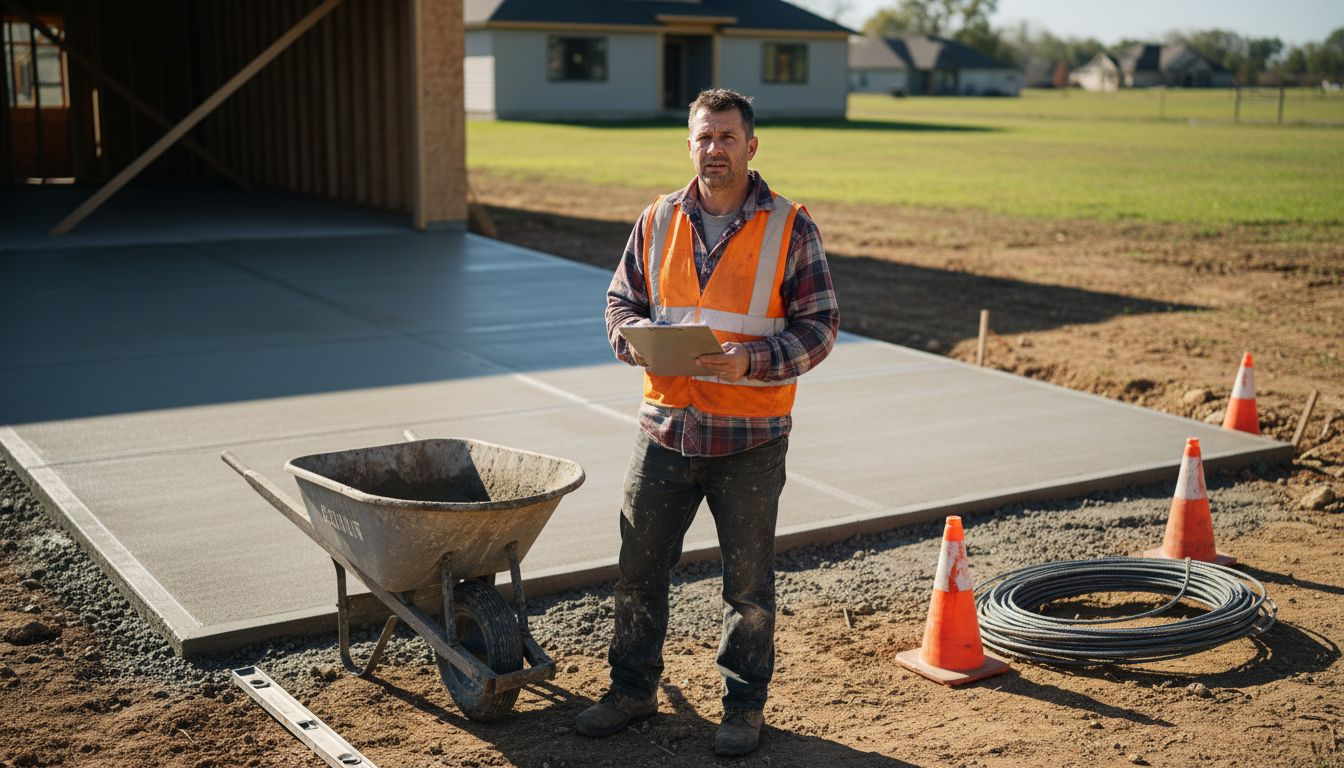
Choosing the right concrete contractor can feel risky if you are not sure what to look for. The wrong decision may result in delays, hidden costs, or disappointing results for your property. Reliable methods exist to help you separate genuine professionals from questionable candidates. This list reveals practical steps that will protect your interests, verify credentials, and guarantee quality outcomes. Get ready for actionable insights that will guide your contractor search and ensure your next concrete project runs smoothly from start to finish.
Table of Contents
Quick Summary
Takeaway | Explanation |
1. Verify Licensing and Insurance | Always confirm a contractor’s credentials to ensure legal compliance and protection against mishaps. |
2. Review Portfolios Thoroughly | Examine contractors’ past work for quality and range of projects to ensure their expertise aligns with your needs. |
3. Request Detailed Written Estimates | Get comprehensive estimates that break down material and labor costs to prevent budget misunderstandings. |
4. Check References and Reviews | Investigate customer feedback to understand a contractor’s reliability and performance history. |
5. Clarify Payment Terms | Ensure a clear payment schedule tied to milestones to avoid financial disputes throughout the project. |
1. Check Contractor Licensing and Insurance
When hiring a concrete contractor for your project, your first line of defense is verifying their professional credentials. Not all contractors are created equal, and skipping this crucial step could lead to costly mistakes or subpar work.
Licensing and insurance are critical protections that separate professional contractors from amateur handymen. Here’s why they matter:
Legal compliance: Licensed contractors have met state-mandated requirements
Professional accountability: Insurance protects you from potential project mishaps
Quality assurance: Proper licensing indicates verified skills and training
Start by checking your state’s contractor licensing board. Verify contractor license status online using the contractor’s name or license number. Most states offer free online tools to confirm a contractor’s current standing.
Your contractor’s license is your guarantee of professional competence and legal compliance.
When reviewing insurance, request a Certificate of Insurance that demonstrates:
General liability coverage
Workers’ compensation insurance
Active policy with adequate coverage limits
Don’t just accept the certificate at face value. Contact the insurance provider directly to confirm the policy’s validity and current status.
Pro tip: Always request and personally verify both licensing and insurance documentation before signing any contracts or allowing work to begin.
2. Review Portfolio and Past Projects
A contractor’s portfolio is more than just a collection of pretty pictures. It’s a visual testament to their craftsmanship, technical skill, and ability to transform concrete into functional art for your property.
Why portfolios matter most:
Reveal actual work quality
Demonstrate range of project complexity
Show technical expertise and design creativity
Provide tangible proof of capabilities
Concrete project case studies from professional organizations like the American Concrete Institute can offer additional insights into exceptional workmanship.
A comprehensive portfolio speaks louder than a thousand promises.
When reviewing a contractor’s past work, pay attention to these key details:
Consistency in finish and detail
Diversity of project types
Evidence of problem-solving skills
Quality of surface treatments
Complexity of design implementations
Don’t just look at photos. Ask contractors to walk you through specific project challenges they’ve overcome. Request references and contact previous clients to understand their real-world performance.
Pro tip: Request a portfolio that includes both completed residential and commercial projects to gauge a contractor’s full range of concrete expertise.
3. Request Detailed Written Estimates
A vague estimate is a recipe for budget disasters and unexpected expenses. Detailed written estimates are your financial roadmap for any concrete project, providing clarity and preventing costly misunderstandings.
Project cost reporting guidelines emphasize the critical importance of comprehensive estimates that break down every potential expense.
A professional estimate should include:
Complete material cost breakdown
Labor hours and hourly rates
Equipment rental expenses
Specific project timeline
Potential additional costs or contingencies
Total project price with tax
A transparent estimate reveals a contractor’s professionalism and commitment to honest communication.
Why detailed estimates matter:
Prevent surprise charges
Compare contractor proposals accurately
Establish clear project expectations
Create legal documentation of agreed work
Always request estimates from multiple contractors. Look beyond the total price and examine the granular details of each proposal. Cheap isn’t always better.
Pro tip: Request estimates that include line-item pricing and ask contractors to explain any unclear charges during your initial consultation.
4. Verify References and Customer Reviews
Trust is earned through proven performance not empty promises. Customer references and reviews are your window into a contractor’s real-world reputation and reliability.
Contractor verification tools can help you dig deeper into a contractor’s professional history and credibility.
When researching references and reviews, focus on:
Consistency of positive feedback
Specific details about project completion
How contractors handle unexpected challenges
Quality of communication and professionalism
Timeliness and budget adherence
Not all reviews are created equal. Look for detailed, specific testimonials that reveal genuine experiences.
Where to find credible reviews:
State contractor licensing boards
Professional certification platforms
Local Better Business Bureau
Google and industry-specific review sites
Direct client references provided by the contractor
Don’t just read reviews. Ask strategic questions when speaking with references. Inquire about project specifics like timeline accuracy, budget management, and overall satisfaction.
Pro tip: Cross-reference reviews across multiple platforms and request at least three verifiable references before making your final contractor selection.
5. Understand Project Timeline Commitments
Timeline commitments are the backbone of any successful concrete project. Realistic scheduling prevents frustration and ensures your project moves forward smoothly without unexpected delays.
Construction project planning requires careful consideration of multiple factors that impact project duration.
Key elements of a reliable project timeline include:
Clear start and completion dates
Milestone checkpoints
Contingency buffer for potential complications
Detailed task sequencing
Weather and seasonal considerations
A well-planned timeline is your roadmap to project success.
Critical timeline questions to ask:
What specific milestones will be tracked?
How will unexpected challenges be managed?
What are potential delay scenarios?
Are there seasonal limitations?
How frequently will progress be communicated?
Understand that concrete work depends on multiple variables. Flexible scheduling matters most. Some projects might require adjustments based on weather conditions soil preparation or material availability.
Pro tip: Request a detailed timeline with specific milestone dates and built-in contingency periods to account for potential unexpected project complications.
6. Ask About Materials and Techniques Used
Not all concrete is created equal. Understanding the specific materials and techniques your contractor plans to use can make the difference between a mediocre and exceptional project.
Cement and concrete selection requires careful consideration of project-specific requirements.
Key questions to ask about materials:
What specific concrete mix will be used?
Are materials sourced from reputable suppliers?
What is the compressive strength of the concrete?
Are sustainable or specialized materials being considered?
How do material choices impact long-term durability?
The right materials are the foundation of a successful concrete project.
Critical material considerations:
Portland cement variants
Aggregate quality and size
Water-to-cement ratio
Potential additives or reinforcements
Environmental and performance requirements
Don’t be afraid to request detailed explanations about why certain materials are being chosen. A professional contractor will happily explain their technical reasoning and demonstrate expertise.
Pro tip: Request sample materials and ask the contractor to walk you through how their chosen concrete mix specifically meets the unique requirements of your project.
7. Clarify Payment Terms Before Signing
Money talks in construction projects. Payment terms are the guardrails that protect both you and your contractor from financial misunderstandings and potential disputes.
Legally binding payment contracts require careful consideration and clear documentation.
Critical payment terms to discuss:
Total project cost
Deposit amount and timing
Milestone payment schedules
Acceptable payment methods
Late payment consequences
Potential cost adjustment scenarios
A transparent payment agreement prevents future conflicts.
Red flags to watch for:
Requests for full upfront payment
Vague payment language
Lack of detailed cost breakdown
No written payment schedule
Resistance to documenting terms
Each payment milestone should be tied to specific project completion stages. This approach ensures you only pay for work that has been satisfactorily completed.
Pro tip: Never sign a contract without a clear, written payment schedule that includes specific percentages or amounts tied to verifiable project milestones.
Below is a comprehensive table summarizing the key steps and considerations when hiring a concrete contractor, based on the article’s detailed guidance.
Aspect | Details & Actions | Benefits |
Licensing and Insurance | Verify contractor’s license and insurance status through relevant state boards and directly with providers. Request certificates and ensure their validity. | Ensures legal compliance, accountability, and protection against mishaps. |
Portfolio Review | Assess the contractor’s past projects, including quality, diversity, and technical skill, by reviewing their portfolio and contacting previous clients. | Validates expertise and provides confidence in workmanship capabilities. |
Written Estimates | Obtain detailed, transparent, and itemized estimates from multiple contractors and discuss any unclear charges. | Prevents budget surprises and facilitates accurate comparisons. |
Customer References | Seek detailed feedback from past clients and review ratings across multiple platforms to evaluate the contractor’s reliability and professionalism. | Builds trust and confirms the contractor’s reputation. |
Project Timelines | Request a realistic schedule with clear milestones, buffers for delays, and progress communication. | Defines project expectations and ensures adherence to deadlines. |
Materials and Techniques | Discuss the specific concrete mix and methods the contractor uses, their sources, and reasoning behind choices. | Ensures long-term durability and project alignment. |
Payment Terms | Define clear payment schedules tied to milestones with documented agreements and avoid full upfront payments. | Prevents financial disputes and secures fair transaction practices. |
Hire Trusted Concrete Experts Who Deliver on Their Promises
Finding a reliable concrete contractor means overcoming challenges like verifying licensing, ensuring clear payment terms, and confirming quality through detailed portfolios and references. These pain points can leave you feeling uncertain and frustrated about your investment. At BNTS Construction, we specialize in stamped concrete, custom patios, foundations, masonry work, and more. Our team understands the importance of transparency and professionalism outlined in the “7 Expert Tips for Hiring Reliable Concrete Contractors.” We focus on clear communication, providing detailed estimates, and using quality materials to bring your project vision to life.

Ready to experience peace of mind with your concrete project? Visit BNTS Construction to explore our full range of services and see why our clients trust us for lasting quality and dependable results. Learn more about our Concrete Services and how we apply expert techniques and materials to every job. Don’t wait until problems arise. Take the first step now toward your ideal concrete solution by contacting us today at BNTS Construction.
Frequently Asked Questions
How can I verify a concrete contractor’s licensing and insurance?
To verify a concrete contractor’s licensing and insurance, start by checking your state’s contractor licensing board online. Request a Certificate of Insurance and confirm its validity directly with the insurance provider to ensure they have necessary coverage.
What should I look for in a concrete contractor’s portfolio?
When reviewing a concrete contractor’s portfolio, focus on the consistency and quality of their finished projects. Look for a range of project types and specific examples of technical skill to better understand their capabilities.
Why are detailed written estimates important when hiring a contractor?
Detailed written estimates are essential as they provide clarity on potential costs and project expectations. Request estimates from multiple contractors that include line-item pricing to avoid budget surprises during your concrete project.
How do I evaluate customer references and reviews for a concrete contractor?
Evaluate customer references and reviews by looking for consistency in positive feedback and specific project details. Contact references directly and ask strategic questions about their experience to gain insights into the contractor’s reliability and performance.
What questions should I ask a contractor about project timelines?
When discussing project timelines with a concrete contractor, ask about specific milestone deadlines and how they handle unexpected challenges. Request a timeline that includes contingency periods for delays to ensure a smoother project process.
Recommended
Comments