
Vertical Stamped Concrete: Transforming Walls Outdoors
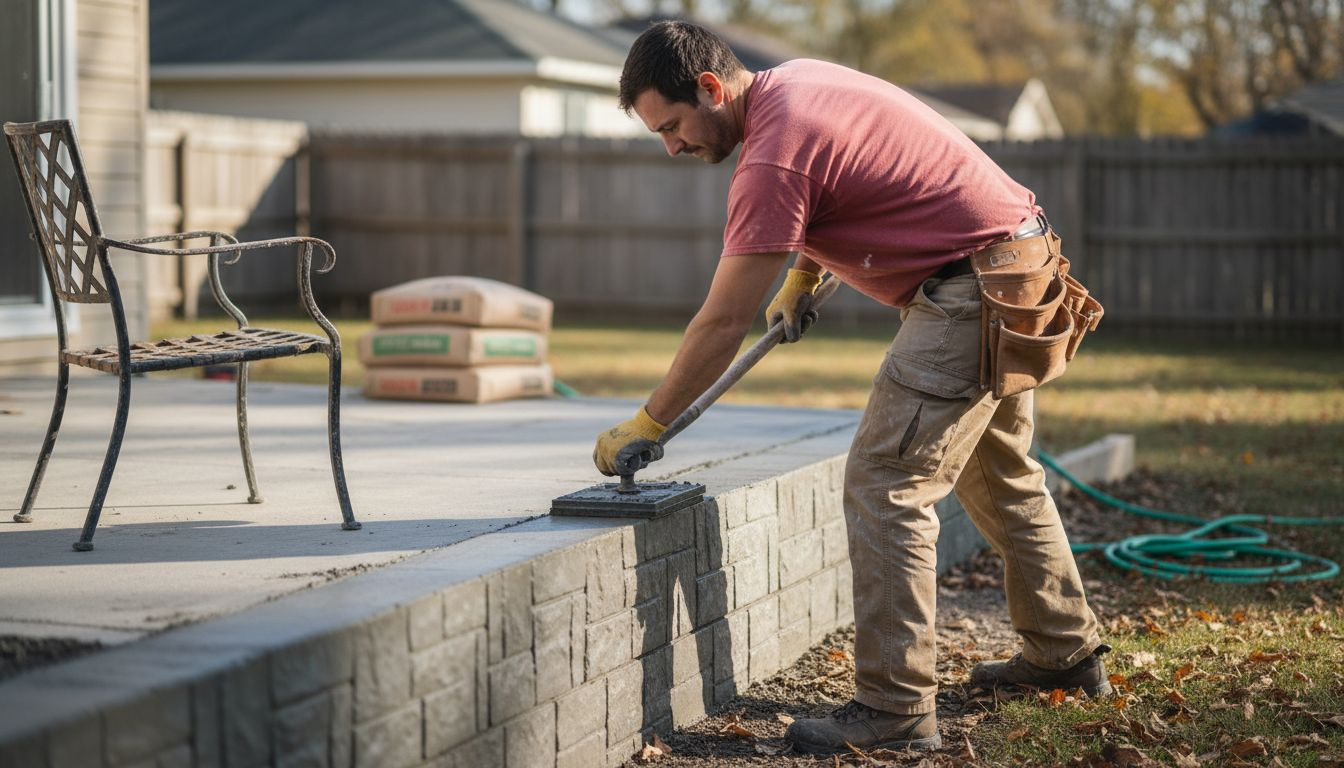
Bold patterns on a driveway might get attention, but walls and outdoor features deserve the same visual impact. For homeowners in Northern Virginia, decorative vertical stamped concrete unlocks new ways to transform ordinary exterior surfaces into lasting showpieces. This technique applies textured concrete to vertical-facing walls, facades, and pillars, delivering durable, highly customizable finishes that withstand local weather while elevating your home’s curb appeal. Discover how this solution blends beauty, performance, and creative freedom for renovations or new builds.
Table of Contents
Key Takeaways
Point | Details |
Vertical Stamped Concrete Adaptability | This decorative technique can enhance the aesthetic of various exterior surfaces, creating custom designs that fit both modern and traditional styles. |
Low Maintenance Advantage | Compared to traditional materials like stone and wood, vertical stamped concrete requires minimal maintenance, needing only periodic sealing to maintain its appearance. |
Durability Against Weather | It withstands Northern Virginia’s harsh climate conditions, making it a long-lasting option for homeowners without the issues associated with conventional cladding. |
Pattern and Texture Versatility | Homeowners can choose from a wide range of colors and textures, mimicking natural materials while offering creative customization for unique designs. |
Defining Vertical Stamped Concrete Applications
When most homeowners in Northern Virginia think about stamped concrete, they picture beautiful patios or driveways with detailed patterns pressed into the surface. But vertical stamped concrete represents a completely different application that transforms the exterior walls of your home into architectural focal points. Vertical stamped concrete is a decorative technique applied to vertical-facing surfaces such as walls, facades, and exterior partitions. Unlike traditional stamped concrete that sits flat on the ground, this method uses layers of concrete adhered strongly to your home’s substrate to create surfaces that are both visually striking and mechanically robust.
The versatility of vertical applications makes this technique particularly valuable for Northern Virginia properties. You can apply decorative stamped concrete finishes to retaining walls that border your property, creating the appearance of stacked stone or brick without the maintenance headaches of actual masonry. Exterior accent walls become statement pieces when stamped with custom patterns and colors that complement your home’s architecture. Gate pillars, fence supports, and even the foundation walls of additions gain visual interest and curb appeal through this technique. Many homeowners use vertical stamped concrete to disguise or beautify utilitarian structures like HVAC enclosures or electrical boxes. The process involves stamping patterns while the concrete is fresh, which requires precise timing and skilled execution, but the result is a durable, low-maintenance alternative to traditional cladding materials.
What makes vertical stamped concrete particularly appealing for your outdoor spaces is the combination of aesthetic versatility and weather resistance. The concrete doesn’t just look good during its first season. It stands up to Northern Virginia’s freeze-thaw cycles, intense summer sun, and seasonal moisture variations that crack and damage cheaper alternatives. You get to choose from numerous patterns and colors that can replicate natural stone textures, create geometric designs, or achieve custom patterns that reflect your personal style. Whether your home features modern minimalist aesthetics or traditional colonial architecture, vertical stamped concrete adapts to enhance your property’s existing character. The durability means you won’t face constant repairs or repainting, and unlike wood cladding or manufactured panels, concrete surfaces resist rot, insect damage, and UV fading.
Pro tip: Plan your vertical stamped concrete projects for spring or early fall when temperatures remain stable and humidity levels support proper concrete curing, ensuring the stamped patterns hold their definition and the surface develops maximum strength for years of outdoor performance.
Types of Patterns and Texture Options
Your vertical stamped concrete walls don’t have to look like concrete at all. The real magic of this technique lies in the incredible range of textures and patterns you can achieve on your Northern Virginia home’s exterior. You could replicate the warmth of stacked fieldstone on a retaining wall, create the elegant appearance of slate cladding without the cost and weight concerns, or even achieve a wood shake texture that looks hand-carved. The variety of pattern and texture options available means you’re working with a palette as diverse as any traditional building material. Stone finishes remain the most popular choice among homeowners because they blend seamlessly with both rustic and contemporary architectural styles. Natural stone patterns like ashlar, ledgestone, and random stone offer depth and visual interest that plain concrete can never provide. Beyond stone options, you can select brick patterns in various bonds, wood siding textures, or geometric designs that add modern flair to your outdoor spaces.
Customization goes far beyond standard patterns. Your contractor can work with you to develop unique carvings and designs that reflect your personal aesthetic or complement your home’s existing architectural details. Many Northern Virginia homeowners choose to incorporate custom elements like borders, medallions, or even family crests into their vertical stamped concrete surfaces. This level of personalization transforms utilitarian walls into genuine art installations. The application process involves careful surface preparation with a primer and scratch coat before the stamping tools press detailed textures into the fresh concrete. This multi-step approach creates surfaces with impressive three dimensional depth that actually look like they’re made from natural stone or aged materials. The authenticity of the finished product often surprises homeowners who stand back and see their retaining wall or accent wall looking like hand-stacked masonry.
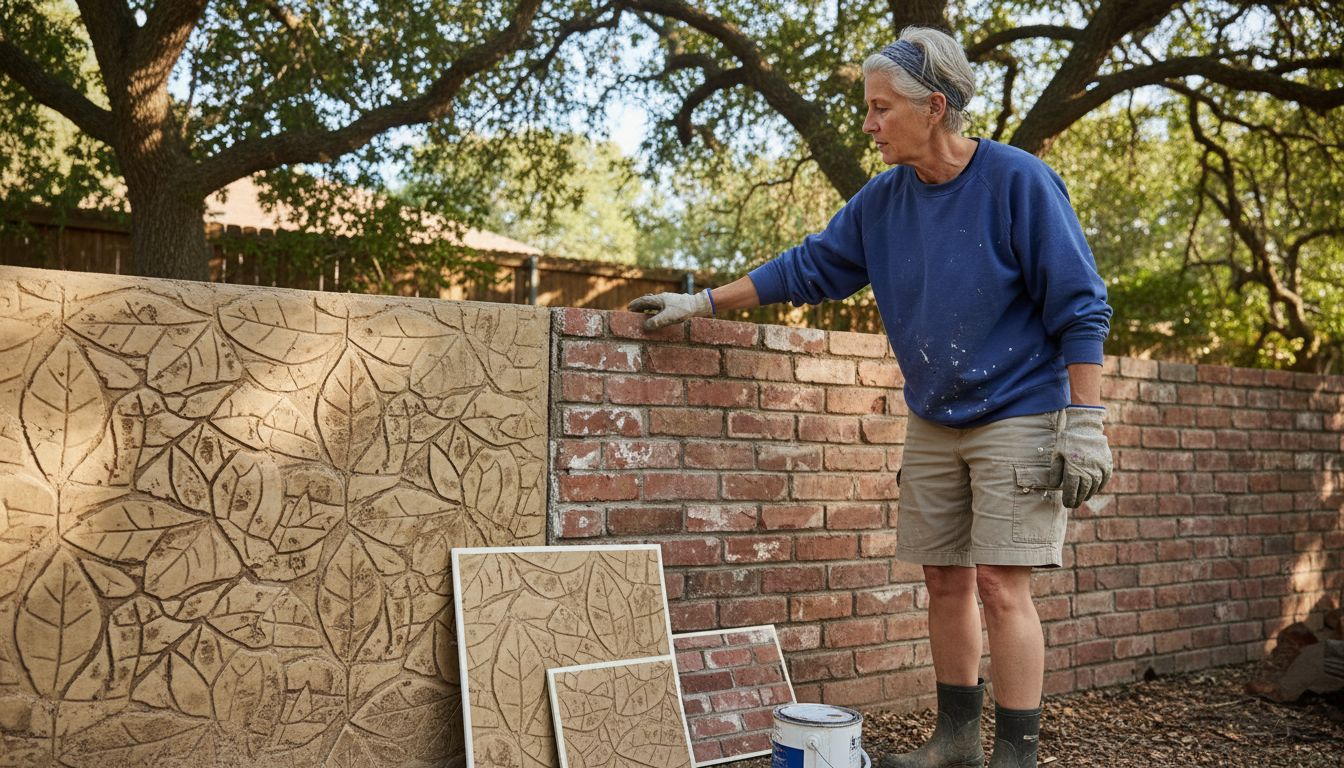
Color selection works hand in hand with pattern choice to create truly cohesive outdoor designs. You’re not limited to gray concrete tones. Contractors can integrate integral colors into the concrete mix or apply specialized stains and sealers that enhance the natural variations in the stamped texture. Warm earth tones can mimic authentic sandstone or clay brick, while cooler tones replicate slate, limestone, or modern architectural finishes. When choosing your pattern and color combination, consider how sunlight hits your wall throughout the day. Morning light reveals different color depths than afternoon sun, and your pattern choice affects how shadows play across the surface. A ledgestone pattern creates natural shadowing that adds dimension, while ashlar patterns produce cleaner, more geometric visual lines. This interplay between texture, color, and natural light transforms your walls as the day progresses.
Pro tip: Request samples or photos of completed projects from your contractor showing your chosen pattern and color combination under different lighting conditions, since what looks perfect under shade might feel different once installed on a sun-exposed wall.
Installation Process and Material Requirements
Vertical stamped concrete installation differs significantly from standard concrete work because gravity works against you the entire time. The process begins with meticulous surface preparation on your existing wall or substrate. Your contractor must clean the surface thoroughly, removing any loose material, dirt, or previous coatings that could prevent proper adhesion. For walls that aren’t perfectly level, this preparation stage includes leveling and creating a sound base. Once the substrate is ready, a primer or bonding agent is applied to ensure the new concrete layer adheres securely without sagging or delaminating over time. This foundation work might seem tedious, but it directly determines whether your stamped concrete stays put through Northern Virginia winters or fails prematurely.
The actual concrete application requires precise timing and skill. A fresh cementitious overlay is spread evenly across the prepared surface while the contractor simultaneously works to achieve the right consistency and thickness. The concrete mix itself matters tremendously for vertical applications. Standard concrete formulas don’t always work because the material needs greater adhesive properties to cling to your wall without slumping. Your contractor uses specialized mixes with the proper proportions of cement, sand, water, and sometimes additives that enhance bonding strength and reduce sagging. While the mortar remains workable and fresh, stamping tools or molds press the desired pattern into the surface with controlled pressure and timing. This window is narrow. Work too early and the material hasn’t set enough to hold impressions clearly. Work too late and the concrete begins hardening, making clean pattern impressions impossible. Experienced contractors know exactly when to stamp based on weather conditions, temperature, humidity, and concrete mix properties.
After stamping comes the critical curing phase. The concrete must cure for 24 to 48 hours before any sealing occurs, though vertical surfaces sometimes require even longer to achieve full strength. During this period, the concrete develops its strength and durability. Too much water loss causes cracking, while too much moisture retention weakens the final product. Your contractor manages curing by controlling temperature exposure and sometimes misting the surface to maintain proper moisture balance. Once fully cured, a protective sealer is applied to enhance color, resist environmental damage, and create a barrier against water penetration and physical impacts. This sealing step is what truly extends the lifespan of your investment, protecting against Northern Virginia’s harsh weather cycles.
Pro tip: Avoid scheduling vertical stamped concrete work during temperature extremes or when rain is forecasted within 48 hours, since temperature fluctuations and water exposure during curing compromise the concrete’s strength and the clarity of your stamped patterns.
Benefits Compared to Alternative Wall Finishes
When you’re evaluating how to upgrade your Northern Virginia home’s exterior walls, you’ll quickly discover that vertical stamped concrete outperforms most traditional alternatives on multiple fronts. Compare it to real stone veneer and the differences become clear. Genuine stone is beautiful but demands constant maintenance. Mortar joints crack and deteriorate, moss grows in shaded areas, and individual stones can loosen from freeze-thaw cycles. The initial cost is substantial, and repairs require skilled masons who charge premium rates. Vertical stamped concrete replicates that stone look without the maintenance burden or the weight that strains your structure. It’s applied as a single cohesive layer bonded directly to your wall, with no joints to crack or crevices where water can hide. One sealer application every few years keeps it protected, and cleaning requires nothing more than a gentle wash with mild detergent and water.
Brick veneer presents another popular alternative, but it carries its own drawbacks. Traditional brick is durable and attractive, but it’s also expensive, heavy, and vulnerable to water damage if mortar isn’t maintained perfectly. Freeze-thaw damage in Northern Virginia winters can cause bricks to spall or pop out entirely. Painted or stained wood cladding seems budget friendly at first glance, but the reality is constant repainting every five to seven years as UV exposure breaks down the finish. Wood rots behind the paint, insects find homes in the material, and moisture penetration causes structural damage that only reveals itself after significant deterioration. Concrete overlay innovations provide another option, though standard overlays lack the customization and visual depth that stamped patterns deliver. Fiber cement boards mimic wood siding with better durability, but they’re rigid, prone to cracking at seams, and require periodic sealing like wood cladding. Manufactured stone panels offer lightweight alternatives, yet they look noticeably plastic up close and degrade faster than real concrete under UV exposure.
Vertical stamped concrete wins on longevity, cost, and visual authenticity. A properly sealed stamped concrete wall lasts 20 to 30 years or longer with minimal maintenance. The initial investment costs less than quality stone or brick veneer, yet the finished appearance rivals those premium materials. Unlike painted surfaces, there’s nothing to peel or fade. Unlike masonry, there are no joints to maintain or repoint. Unlike lightweight panels, there’s genuine weight and solidity to the surface that conveys permanence. The customization possibilities far exceed standard cladding materials. You can modify patterns, colors, and finishes to create a one-of-a-kind exterior that reflects your home’s personality while maintaining consistent durability. Northern Virginia weather throws everything at your home: intense summer heat, freezing winters, heavy spring rains, and autumn freeze cycles. Vertical stamped concrete withstands all of it without warping, rotting, spalling, or requiring the constant maintenance that other materials demand.
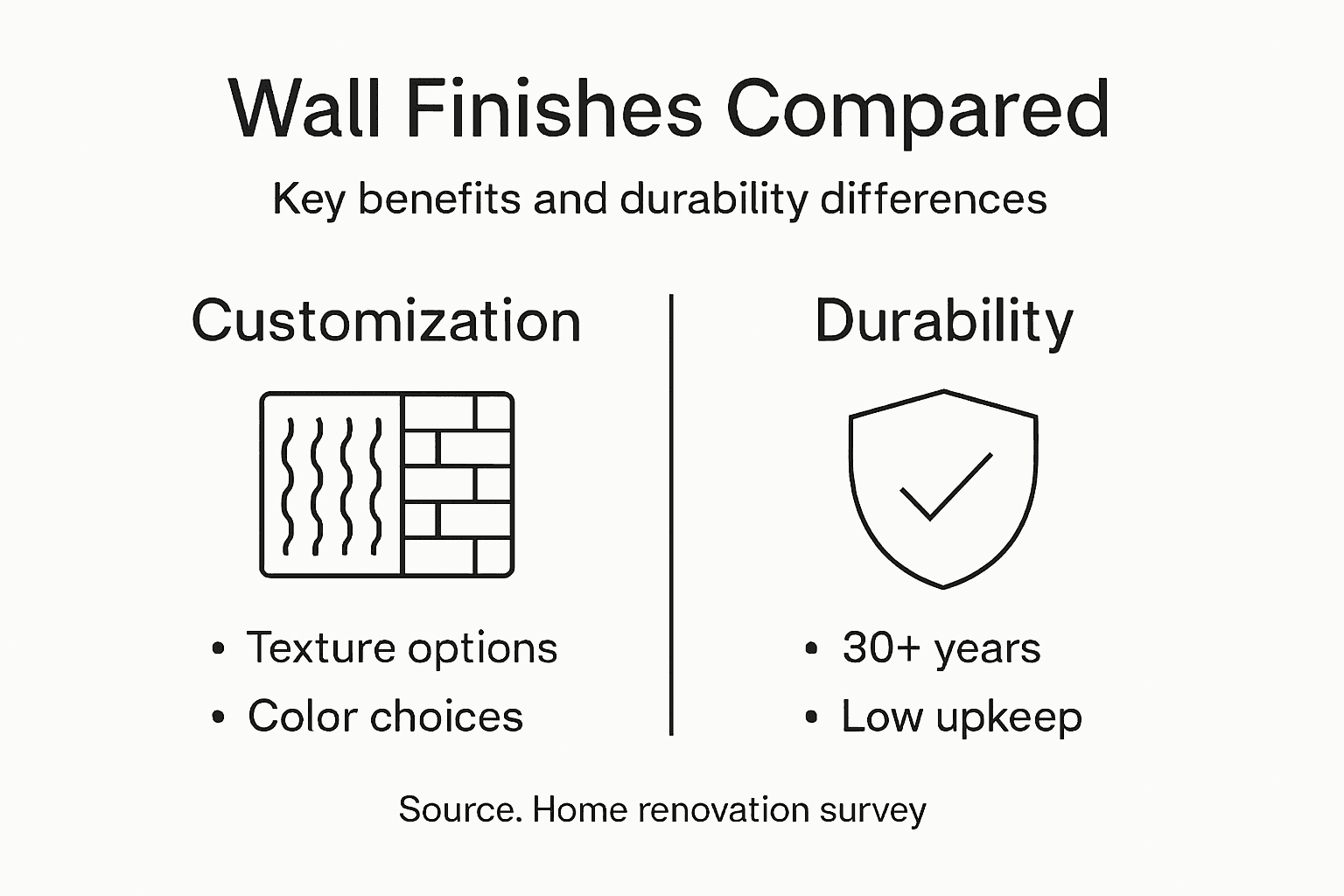
Here’s how vertical stamped concrete compares to popular exterior wall finishes used in Northern Virginia:
Wall Finish Type | Durability (Years) | Maintenance Needs | Visual Customization |
Vertical Stamped Concrete | 20-30+ | Reseal every 2-3 years | Unlimited patterns & colors |
Real Stone Veneer | 15-25 | Frequent joint repairs | Limited by stone types |
Brick Veneer | 20-30 | Mortar upkeep required | Brick color and bond options |
Fiber Cement Board | 15-25 | Sealant every few years | Imitates wood/stucco finishes |
Wood Siding | 7-15 | Paint/stain every 5 years | Limited color range |
Manufactured Stone Panels | 10-20 | May fade/crack in sun | Mimics stone, limited depth |
Pro tip: When requesting contractor quotes, ask specifically about sealer warranties and maintenance requirements, since the best stamped concrete depends on proper sealing and occasional resealing to maintain appearance and prevent moisture penetration.
Common Mistakes and Maintenance Needs
Vertical stamped concrete failures rarely happen by accident. Most problems trace back to decisions made during the planning or installation phases. The biggest mistake homeowners make is rushing the process or hiring contractors who cut corners on surface preparation. Your wall’s existing condition determines everything that follows. If the substrate isn’t properly cleaned, leveled, and primed, the new concrete layer won’t bond securely no matter how skilled the stamping work is. Water seeps behind loose concrete, freeze-thaw cycles exploit tiny gaps, and eventually sections peel away from the wall. Another critical error involves using standard concrete mixes designed for horizontal applications on vertical surfaces. These mixes sag, slump, and fail to adhere properly when applied vertically. The concrete needs specialized formulations with enhanced bonding properties and additives that prevent slumping under gravity. Skipping the curing phase or exposing freshly stamped concrete to rain and temperature extremes before it sets properly creates weak surfaces prone to cracking and pattern distortion.
Once your vertical stamped concrete is installed correctly, maintenance becomes straightforward but non-negotiable. Periodic cleaning with mild detergents and resealing protects the finish and prevents the gradual deterioration that undermines even the best installations. Think of maintenance as an investment in longevity rather than an annoying chore. Annual or biennial resealing takes just a day and costs far less than addressing water damage or having sections replaced. Northern Virginia’s climate demands this attention. Spring thaw brings moisture that penetrates even hairline cracks. Summer heat accelerates sealer degradation. Fall temperatures fluctuate dramatically. Winter freeze-thaw cycles are relentless. Without protective sealing, your stamped concrete gradually fades, develops chalky patches, and becomes vulnerable to water infiltration that leads to cracking and spalling.
Ignoring maintenance needs creates an escalating problem. What starts as minor color fading becomes water damage. Water damage becomes structural issues. Your beautiful stamped concrete wall that cost thousands to install can deteriorate to the point where replacement becomes the only option. The irony is that proper maintenance is remarkably simple and inexpensive. Gentle cleaning with a soft brush and mild soap solution removes dirt and mold without damaging the surface. Professional sealer application creates a protective barrier that lasts two to three years depending on sun exposure. Some homeowners apply sealer every year in sun-exposed areas, every two years in partially shaded spots, and every three years in heavily shaded locations. This variability means you should assess your specific wall’s condition rather than following a rigid schedule. A wall facing south in direct sunlight needs more frequent sealing than one on a north-facing shaded side.
Key maintenance actions for vertical stamped concrete and their purpose:
Maintenance Task | Frequency | Purpose |
Mild detergent wash | 2-3 times per year | Prevent dirt and mold buildup |
Sealer application | Every 1-3 years | Protect color, resist moisture |
Visual inspection | Annually | Identify early cracks and damage |
Water bead test | Annually | Check sealer effectiveness |
Pro tip: Test your wall’s sealer annually by pouring water on it; if the water beads up and rolls off, the sealing is effective, but if it absorbs and darkens the concrete, resealing is overdue to prevent moisture infiltration damage.
Elevate Your Outdoor Walls with Expert Vertical Stamped Concrete Solutions
Transforming your outdoor walls requires more than just an eye for design. If you are concerned about durability against Northern Virginia’s harsh weather or want to avoid common pitfalls like poor surface preparation or improper curing, you need a trusted partner who understands the unique demands of vertical stamped concrete. Our expertise in stamped concrete, foundations, and masonry ensures your walls will not only capture stunning textures and colors but also stand the test of time with minimal maintenance.
Explore how we bring precision and artistry to your home’s exterior with specialized concrete mixes and application techniques designed specifically for vertical surfaces. Now is the perfect time to enhance your property’s curb appeal and invest in a lasting solution that replaces costly stone or brick cladding. Visit our website to learn more about our customized stamped concrete services, including patios and additions that complement your vertical designs. Don’t wait for weather damage to take hold. Contact us today and let our skilled team deliver the beauty and durability your home deserves through Stamped Concrete craftsmanship you can trust.
Frequently Asked Questions
What is vertical stamped concrete?
Vertical stamped concrete is a decorative technique applied to vertical surfaces such as walls and facades, creating visually striking designs that mimic natural materials like stone or brick.
What are the benefits of using vertical stamped concrete over traditional wall finishes?
Vertical stamped concrete offers greater durability, lower maintenance needs, and customizable aesthetics compared to traditional materials like real stone or wood siding. It withstands harsh weather conditions without warping, rotting, or fading.
How is vertical stamped concrete installed?
The installation involves preparing the wall surface, applying a primer, and using a specialized concrete mix before stamping the desired pattern into the wet concrete. Proper timing, surface preparation, and curing are crucial for a successful application.
What maintenance does vertical stamped concrete require?
Vertical stamped concrete needs periodic cleaning with a mild detergent and resealing every 1-3 years to protect it from water damage and wear. Regular visual inspections help identify any early signs of cracking or damage.
Recommended
Comments