
What Is a Concrete Slab? Homeowner Benefits Explained
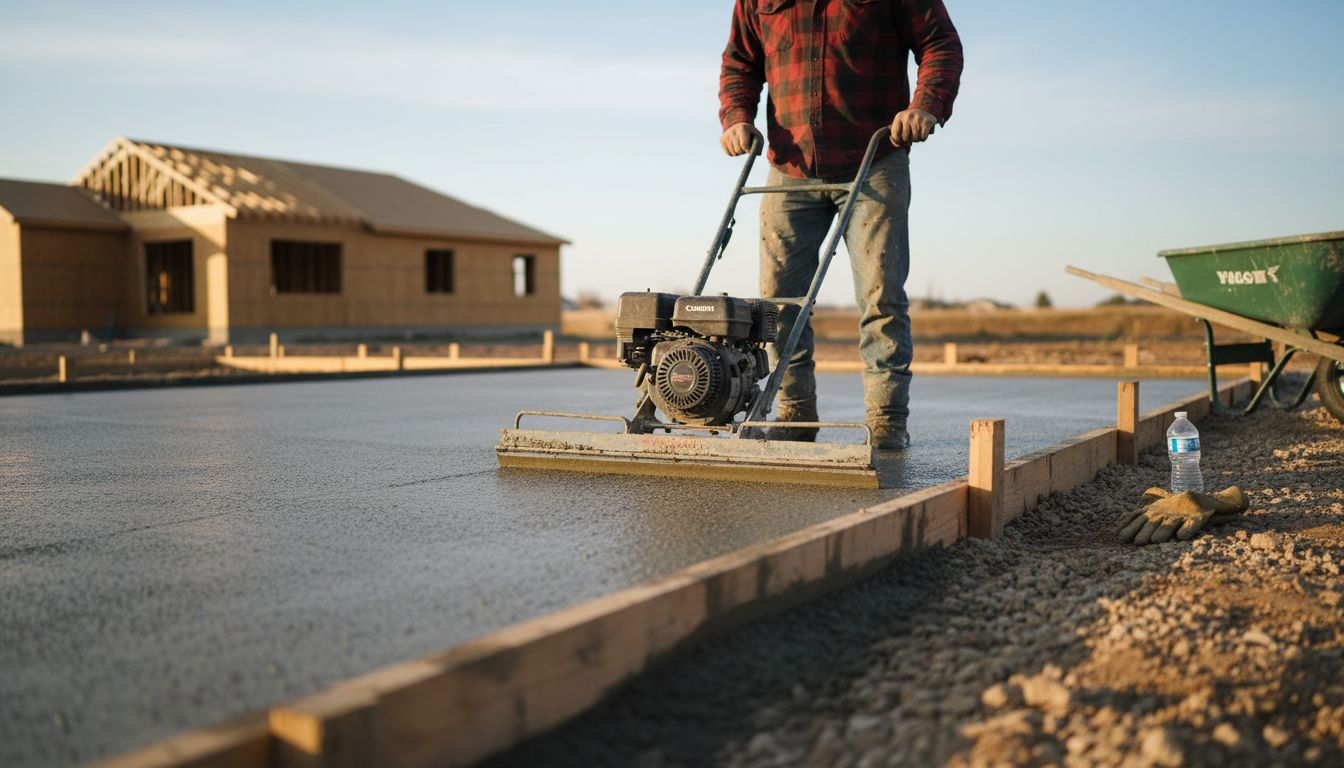
Planning a patio upgrade or new addition in Northern Virginia can quickly turn complicated when choosing the right foundation. Concrete slabs are a fundamental element in modern building design, taking on the critical role of delivering stable, flat surfaces that support both function and style. With options ranging from sturdy ground-bearing slabs for patios to structurally advanced suspended designs, understanding the basics will help you create outdoor spaces that are both beautiful and built to last.
Table of Contents
Key Takeaways
Point | Details |
Concrete Slabs Are Essential | Concrete slabs provide stability, support, and architectural features crucial for both residential and commercial buildings. |
Types of Slabs Matter | Choosing the right type of concrete slab is essential based on factors like load requirements, soil conditions, and project specifications. |
Installation Requires Expertise | A systematic installation process is necessary, and hiring a qualified professional ensures compliance with local building codes. |
Maintenance Influences Longevity | Regular maintenance and inspections can significantly extend the lifespan of concrete slabs, preventing costly repairs. |
Concrete Slab Basics and Key Functions
A concrete slab is a fundamental structural element in modern construction, serving multiple critical functions for residential and commercial buildings. These horizontal surfaces are engineered to provide stability, support, and essential architectural features across various settings. Concrete structural elements typically range between 100 and 500 mm in thickness and are reinforced with steel to enhance their strength and durability.
Concrete slabs perform several key structural and functional roles in building design:
Load distribution across foundations and structural elements
Creating flat, stable surfaces for floors, ceilings, and roofs
Providing thermal insulation and energy efficiency
Resisting lateral forces like wind and seismic activity
Supporting mechanical, electrical, and plumbing installations
Engineers classify concrete slabs into two primary categories based on their placement and support structure. Ground-bearing slabs rest directly on foundations, while suspended slabs are supported between structural elements like columns and walls. This versatility allows architects and builders to design spaces that meet specific structural requirements and performance standards.
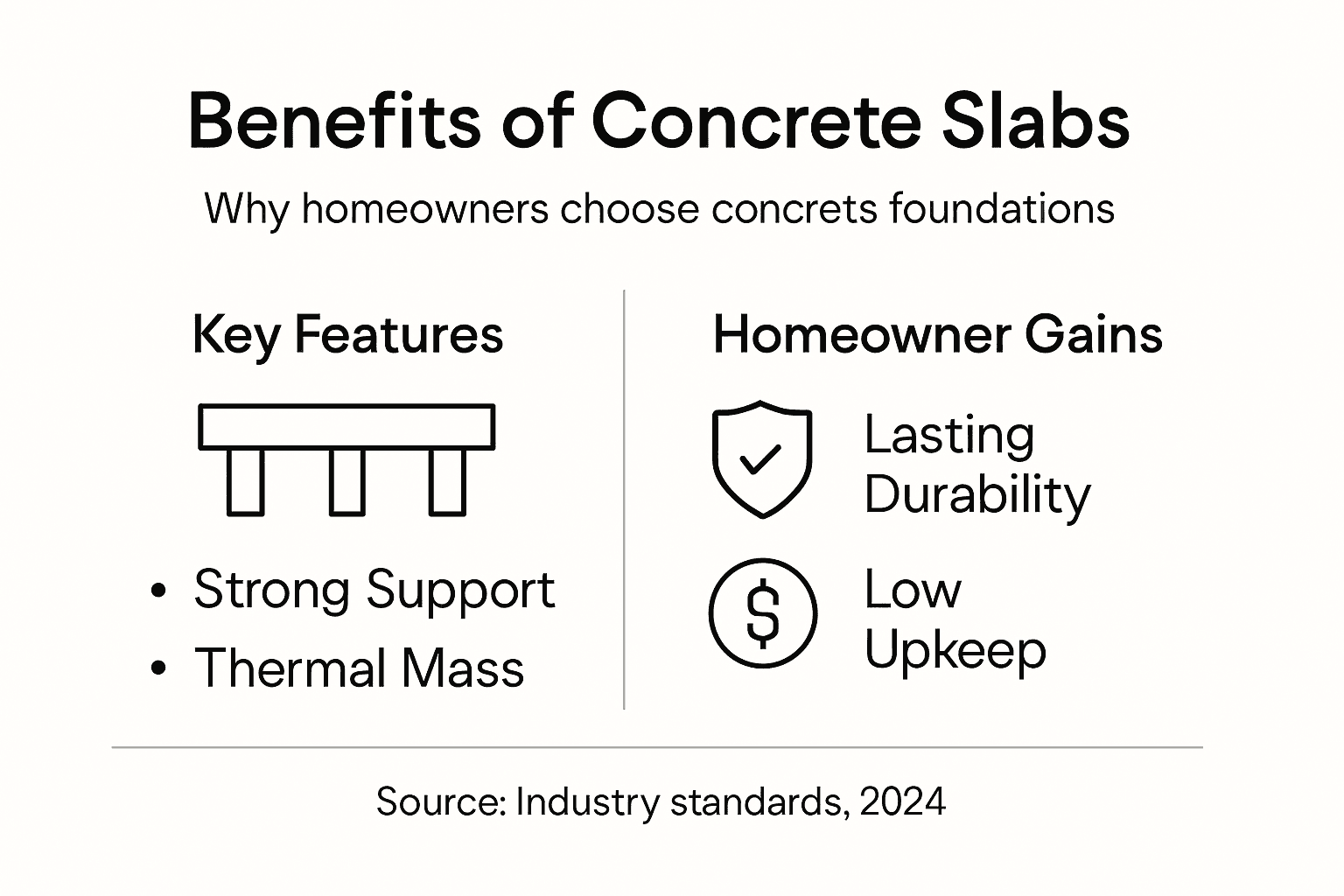
Thermal properties are another crucial aspect of concrete slabs. Their high thermal mass helps regulate indoor temperatures, reducing energy consumption by moderating heat transfer between interior and exterior environments. Building load transfer mechanisms also contribute to overall structural integrity, managing both dead loads from the slab’s own weight and live loads from occupants and furnishings.
Pro tip: When planning a concrete slab, always consult with a professional structural engineer to ensure proper thickness, reinforcement, and design specific to your project’s unique requirements.
Popular Types for Homes and Patios
Homeowners have several options when selecting concrete slab types for their residential and outdoor spaces, each designed to meet specific structural and aesthetic requirements. Concrete slab designs vary significantly in their construction, performance, and application, making it crucial to understand the unique characteristics of each type.
Common concrete slab types for homes and patios include:
Slab on Grade: Direct ground-bearing slab, most popular for home foundations
Flat Slab: Uniform thickness, ideal for spaces requiring simple, economical design
Waffle Slab: Enhanced structural strength with grid-like reinforcement
Hollow Core Slab: Lightweight with pre-stressed concrete sections
Precast Slab: Manufactured off-site, allowing rapid installation
Beam and block slabs represent another innovative design, featuring prestressed beams and blocks that provide temporary support during construction. These slabs are particularly useful in residential settings where rapid installation and structural integrity are paramount.
The selection of a concrete slab type depends on multiple factors, including local building codes, soil conditions, load requirements, and budget constraints. For patios, ground-bearing slabs are typically most suitable, offering a stable, cost-effective solution that can withstand varying weather conditions and support outdoor furniture and entertainment areas.
Here’s a side-by-side look at common residential concrete slab types and their main advantages:
Slab Type | Best Used For | Strength Feature | Installation Speed |
Slab on Grade | Foundations | Direct ground support | Fast |
Flat Slab | Living spaces | Uniform load distribution | Moderate |
Waffle Slab | Large open areas | Extra load resistance | Slow |
Hollow Core Slab | Multi-story floors | Lightweight construction | Rapid |
Precast Slab | Patios, extensions | Factory-controlled quality | Fastest |
Pro tip: Consult a professional structural engineer to assess your specific site conditions and recommend the most appropriate concrete slab type for your home or patio project.
How Concrete Slabs Are Installed
Installing a concrete slab requires careful planning and execution, with multiple critical stages that ensure structural integrity and long-term performance. Concrete slab construction involves a systematic approach that demands precision and expertise from start to finish.
The concrete slab installation process typically includes these essential steps:
Site Preparation: Clearing, leveling, and compacting the ground
Formwork Setup: Creating precise boundaries for the slab
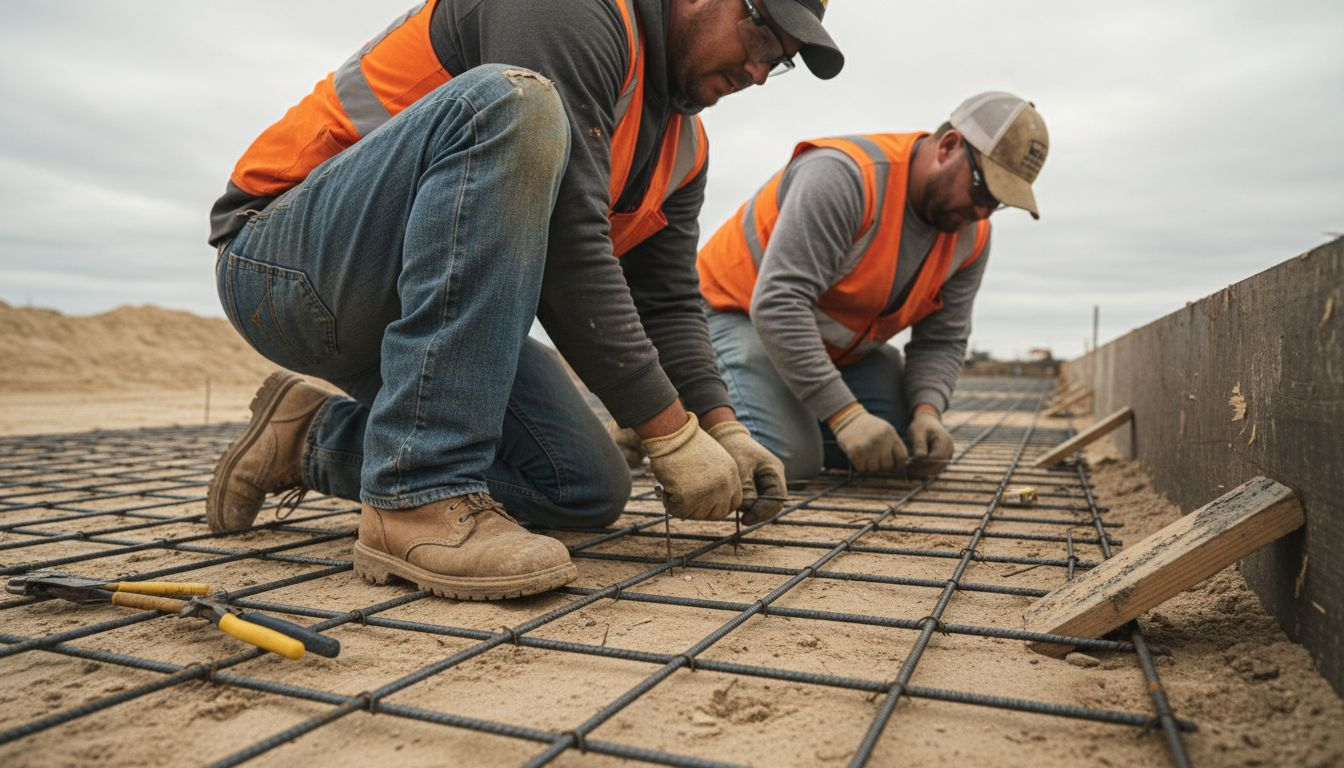
Reinforcement Placement: Installing steel mesh or rebar
Concrete Mixing: Preparing the correct concrete blend
Pouring and Spreading: Evenly distributing concrete
Compaction: Removing air pockets for structural density
Finishing: Smoothing and leveling the surface
Curing: Maintaining moisture for strength development
Concrete installation techniques require meticulous attention to detail, particularly during reinforcement and compaction stages. Professionals use specialized vibrating equipment to eliminate air pockets and ensure uniform concrete distribution, which is crucial for preventing future cracking and structural weaknesses.
The final stages of slab installation involve precise finishing and comprehensive curing. Contractors use floating and troweling techniques to create a smooth, level surface while implementing strategic jointing to control potential shrinkage and movement. Proper curing is essential, typically involving moisture retention methods that allow the concrete to develop maximum strength and durability.
Pro tip: Always hire a certified professional with proven experience in concrete slab installation to ensure your project meets local building codes and structural requirements.
Maintenance, Durability, and Lifespan
Concrete slab durability represents a critical consideration for homeowners, with proper maintenance directly influencing long-term structural performance and aesthetic quality. Durability of concrete structures depends on a complex interplay of material science, environmental conditions, and proactive care strategies.
Key factors affecting concrete slab longevity include:
Corrosion Prevention: Protecting steel reinforcement
Moisture Management: Controlling water infiltration
Surface Integrity: Monitoring and repairing micro-cracks
Chemical Resistance: Defending against environmental degradation
Load Distribution: Maintaining even stress across the slab
Concrete durability mechanisms involve understanding potential deterioration pathways. Environmental challenges like temperature fluctuations, moisture exposure, and chemical interactions can compromise structural integrity. Professional inspections every 3-5 years can help identify early signs of potential issues such as surface cracking, reinforcement corrosion, or structural weakening.
Typical concrete slab lifespans range from 25 to 100 years, depending on construction quality, maintenance frequency, and environmental conditions. Homeowners can extend slab durability through strategic interventions like proper drainage, regular sealing, controlling ground moisture, and addressing minor repairs promptly before they escalate into major structural problems.
This summary highlights key maintenance challenges and lifespan factors for concrete slabs:
Issue | Impact on Lifespan | Typical Prevention |
Corrosion | Weakens reinforcement | Use sealants/coatings |
Water intrusion | Causes cracking and decay | Improve drainage |
Chemical damage | Surface and structure loss | Choose resistant mix |
Uneven loads | Structural stress | Regular inspections |
Pro tip: Schedule professional concrete inspections annually and maintain a detailed maintenance log to track your slab’s condition and identify potential issues before they become costly repairs.
Comparing Costs and Common Mistakes
Understanding the financial landscape of concrete slab installation requires careful analysis of both direct expenses and potential hidden costs. Slab construction expenses typically range between $4 and $8 per square foot, with significant variation depending on multiple critical factors.
Key cost drivers and potential budget pitfalls include:
Site Preparation Complexity: Excavation and ground leveling
Concrete Mix Quality: Higher-grade materials increase expenses
Reinforcement Requirements: Steel mesh or rebar additions
Labor Expertise: Skilled professional installation
Local Material Pricing: Regional supply chain variations
Permitting and Inspection Fees: Municipal regulatory costs
Common mistakes that dramatically increase project expenses involve overlooking critical pre-installation considerations. Inadequate site preparation, improper soil compaction, and incorrect reinforcement placement can lead to structural failures that necessitate complete slab replacement. Professional engineers recommend thorough site assessments and precise planning to mitigate unexpected financial risks.
Homeowners can optimize their concrete slab investment by obtaining multiple contractor quotes, understanding local building codes, and prioritizing long-term durability over short-term cost savings. Detailed project planning, including comprehensive site evaluation and material selection, can prevent costly rework and ensure a stable, reliable foundation for residential structures.
Pro tip: Request detailed written estimates from multiple contractors and ensure they include comprehensive site assessment, material specifications, and potential contingency costs to avoid unexpected financial surprises.
Enhance Your Home with Expert Concrete Slab Solutions
Understanding the critical role of concrete slabs in foundation strength and durability can feel overwhelming. Many homeowners worry about choosing the right slab type or ensuring proper installation to avoid costly repairs and structural issues. If you are looking to improve your home’s foundation or add a custom patio that lasts, addressing challenges like site preparation, reinforcement placement, and slab maintenance is essential. Our team at BNTS Construction specializes in providing tailored concrete solutions, including stamped and regular concrete, masonry work, and custom patios designed for longevity and beauty.
Take the guesswork out of your next concrete project. Discover how we can bring your vision to life with expert craftsmanship and industry-leading materials. Visit our main page at BNTS Construction to explore our comprehensive concrete, foundation, and patio services. Protect your investment with professionals who understand slab design, installation, and long-term maintenance. Reach out today to schedule your consultation and build a foundation that stands strong for decades.
Frequently Asked Questions
What are the main functions of a concrete slab?
Concrete slabs serve critical roles such as load distribution, creating stable surfaces for floors and ceilings, providing thermal insulation, resisting lateral forces, and supporting mechanical, electrical, and plumbing installations.
What are the different types of concrete slabs used in homes?
Common types of concrete slabs include slab on grade, flat slab, waffle slab, hollow core slab, and precast slab. Each type has unique advantages for specific applications, such as foundations or patios.
How is a concrete slab installed?
The installation of a concrete slab involves several steps: site preparation, formwork setup, reinforcement placement, concrete mixing and pouring, compaction, finishing, and curing to ensure structural integrity and longevity.
How can I maintain my concrete slab for longevity?
Maintaining a concrete slab involves managing moisture, preventing corrosion of reinforcement, monitoring surface integrity for cracks, and addressing issues promptly. Regular inspections can help identify problems early, ensuring the slab’s durability.
Recommended
Comments