
7 Essential Masonry Work Tips for Homeowners to Master
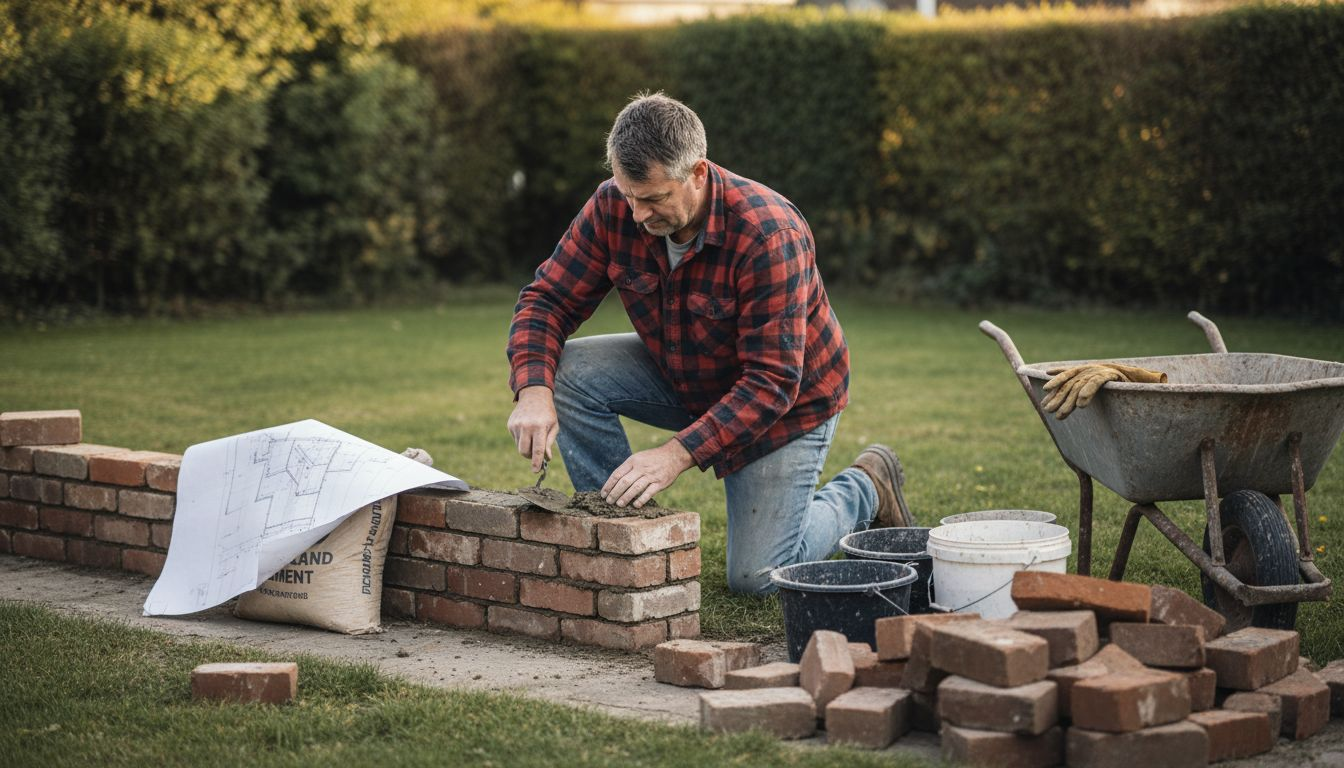
Starting a masonry project can feel overwhelming when you realize how many crucial steps go into building something that lasts. A single misstep in foundation design, mortar selection, or drainage planning can lead to costly repairs and structural headaches down the road. But you do not have to guess your way through the process or rely on luck for a solid result. This guide gives you practical, step-by-step insights drawn from proven masonry techniques and real-world best practices. You will discover how professionals achieve durability, accuracy, and clean finishes—while avoiding the mistakes that trouble so many Canadian homeowners. Get ready for actionable advice that will help you turn your masonry project into a long-lasting investment.
Table of Contents
Quick Summary
Takeaway | Explanation |
1. Build a Solid Foundation | A strong base prevents structural problems, ensuring longevity and stability in your masonry project. |
2. Select the Right Mortar Mix | Choosing the correct mortar type is essential for matching project demands and ensuring durability under various conditions. |
3. Implement Effective Drainage Systems | Proper water management protects masonry from moisture damage, significantly extending its lifespan and maintaining structural integrity. |
4. Use Quality Tools for Precision | Investing in high-quality tools enhances accuracy and creates a more professional finish, reducing the likelihood of mistakes. |
5. Conduct Regular Maintenance | Routine checks and repairs preserve the appearance and strength of masonry, preventing minor issues from escalating into major repairs. |
1. Start With a Solid Base for Long-Lasting Masonry
Building durable masonry work begins with one fundamental principle: a rock-solid foundation. Your entire masonry project’s longevity depends on getting the base right from the start.
A well-constructed base prevents future structural issues by distributing weight evenly and resisting environmental stresses. Proper foundation design involves several critical components that ensure stability and durability.
Key elements of a solid masonry foundation include:
Proper soil compaction to prevent settling
Appropriate footing depth based on local climate
Moisture barrier installation to prevent water damage
Precise leveling and grading for structural integrity
Effective foundation preparation requires coordinated communication between designers and construction professionals. This collaboration ensures that foundation specifications match site-specific requirements and environmental conditions.
A well-designed foundation is the silent guardian of your masonry project, protecting your investment for decades to come.
Homeowners should work closely with experienced masonry professionals who understand local soil conditions, drainage patterns, and structural load requirements. Professional assessment helps identify potential challenges before construction begins.
Pro tip: Always conduct a comprehensive soil test and consult a structural engineer before starting your masonry project to identify potential foundation challenges and prevent costly future repairs.
2. Choose the Right Mortar Mix for Your Project
Successful masonry work hinges on selecting the perfect mortar mix that matches your specific construction requirements. Understanding mortar grades can mean the difference between a project that lasts decades and one that crumbles prematurely.
Mortar is not a one-size-fits-all solution. Different construction projects demand unique mortar compositions based on strength requirements weather exposure and structural load.
Mortar grades range from high-strength to more flexible options:
Type M: Highest compressive strength for heavy load-bearing walls
Type S: Medium-high strength for below-grade and outdoor applications
Type N: Moderate strength for general purpose masonry work
Type O: Low strength for interior non-load-bearing walls
Selecting mortar grades requires understanding the precise balance between cement lime and sand proportions. Each ingredient plays a critical role in determining the final mortar’s performance characteristics.
The right mortar mix is like a custom recipe tailored to your specific masonry project’s unique demands.
When choosing your mortar mix consider factors like local building codes environmental conditions and the specific materials you are working with. Professional masons recommend consulting local experts who understand regional construction requirements.
Pro tip: Always perform a small test batch of your mortar mix to verify workability and strength before starting your full masonry project.
3. Plan for Proper Drainage and Water Management
Water is both a masonry project’s greatest ally and most dangerous enemy. Understanding and implementing effective drainage strategies can prevent costly structural damage and extend the life of your construction.
Proper drainage management goes beyond simple surface runoff. It involves creating comprehensive systems that protect your masonry work from moisture-related deterioration.
Key drainage considerations include:
Site topography assessment for natural water flow
Minimum slope of 1% to ensure water movement
Surface and subsurface drainage integration
Regular maintenance of drainage pathways
Urban drainage planning involves strategic water management techniques that reduce runoff and prevent potential infrastructure damage. Implementing sustainable drainage systems can protect both your immediate project and the surrounding environment.
Effective drainage is like creating invisible highways for water to travel away from your masonry structures.
Homeowners should consider multiple drainage layers including gravel beds French drains and strategic grading. Professional hydrological analysis can help identify potential water movement patterns specific to your property.
Pro tip: Conduct a comprehensive site evaluation during dry weather to accurately map potential water accumulation zones and design your drainage strategy proactively.
4. Use Quality Tools for Cleaner Finishes and Accuracy
Precision separates amateur masonry work from professional-grade results. The tools you choose can dramatically impact the quality and appearance of your final project.
Quality tools are more than just expensive equipment. They are the difference between a rough uneven surface and a smooth professional finish that stands the test of time.
Essential masonry tools for accuracy include:
Laser levels for perfectly straight lines
High-quality trowels with ergonomic handles
Digital angle finders for precise measurements
Professional grade spirit levels
Masonry cutting tools with diamond-tipped blades
Quality management techniques can help identify potential errors before they become expensive mistakes. Professional masons use systematic approaches to minimize variations and maintain consistent work quality.
Investing in the right tools is investing in the longevity and beauty of your masonry project.
Consider tool quality as a long-term investment. Cheaper tools might save money upfront but often result in more time-consuming corrections and less professional results. Professional-grade tools provide better control precision and durability.
Pro tip: Regularly calibrate and maintain your tools to ensure consistent accuracy and extend their operational lifespan.
5. Master the Art of Brick and Stone Placement
Masonry is part science part art and achieving perfect brick and stone placement requires precision and skill. Understanding bond patterns and placement techniques transforms your project from basic construction to architectural excellence.
The way you position each brick or stone impacts both structural integrity and visual appeal. Professionals know that placement is not just about stacking materials but creating a cohesive design that will stand the test of time.
Key considerations for brick and stone placement include:
Consistent mortar joint thickness
Proper bond pattern selection
Staggered course alignment
Tight joint filling
Precise vertical and horizontal leveling
Masonry construction techniques require careful attention to detail. Skilled masons understand that each piece contributes to the overall strength and aesthetic of the structure.
Perfect placement is where engineering precision meets artistic craftsmanship.
Different bond patterns like running bond stack bond and herringbone offer unique visual and structural characteristics. Your choice depends on the specific requirements of your project load-bearing needs and desired aesthetic outcome.
Pro tip: Always use a string line and level to maintain perfect alignment and create visually stunning masonry work that looks professionally crafted.
6. Protect Your Masonry With Regular Maintenance
Masonry might look tough but it requires consistent care to maintain its strength and appearance. Neglecting maintenance can transform a beautiful structure into a deteriorating eyesore in just a few years.
Regular maintenance is not just about aesthetics. It prevents costly structural damage and extends the lifespan of your masonry work by addressing small issues before they become major problems.
Critical maintenance steps include:
Quarterly visual inspections
Annual professional assessment
Cleaning with appropriate techniques
Prompt repair of small cracks
Sealing and waterproofing treatments
Designing maintenance strategies involves understanding environmental impacts and anticipating potential degradation. Early detection and corrective actions are key to preserving masonry structures.
Consistent maintenance is the secret weapon that transforms good masonry into exceptional, long-lasting construction.
Homeowners should develop a systematic approach to maintenance that includes documenting inspection findings tracking repair history and understanding the specific environmental challenges their masonry faces.
Pro tip: Create a dedicated maintenance calendar with seasonal checkpoints and keep a photographic record of your masonry to track changes and identify potential issues early.
7. Avoid Common Masonry Mistakes for Success
Masonry work can quickly become an expensive nightmare if you do not understand and anticipate common pitfalls. Even experienced homeowners can make critical errors that compromise the structural integrity and aesthetic quality of their projects.
Understanding potential mistakes before you begin can save you thousands of dollars and countless hours of frustration. Prevention is always more cost-effective than correction in masonry construction.
Most frequent masonry mistakes include:
Inadequate foundation preparation
Poor moisture management
Incorrect mortar mix ratios
Improper joint techniques
Neglecting expansion and contraction considerations
Skipping professional consultation
Masonry services guidance reveals that many homeowners underestimate the complexity of professional-grade masonry work. Understanding these common errors can help you make more informed decisions.
Recognizing potential mistakes is the first step toward creating exceptional masonry work.
Each mistake represents a potential point of failure that can compromise your entire project. Professional masons spend years learning how to avoid these pitfalls and developing techniques that ensure durability and aesthetic excellence.
Pro tip: Always consult with a professional mason before starting your project and be willing to invest in proper preparation and quality materials.
Below is a comprehensive table summarizing the key principles and strategies discussed throughout the article regarding successful masonry projects.
Aspect | Details | Considerations |
Solid Base Construction | Proper soil compaction, footing depth, moisture barriers, leveling. | Collaborate with professionals; perform soil tests. |
Mortar Selection | Types M, S, N, and O with varying strengths and uses. | Match the mortar type to construction requirements and test mixes. |
Drainage Planning | Site topography, slopes, integrated drainage systems. | Conduct dry weather evaluations; apply layered systems. |
Tools and Precision | Laser levels, quality trowels, digital angle finders. | Invest in durable tools; maintain and calibrate regularly. |
Brick and Stone Placement | Bond pattern selection, staggered alignment, joint filling. | Use levels and string lines for alignment. |
Regular Maintenance | Inspections, cleaning, prompt repairs, sealing treatments. | Document findings; create a maintenance schedule. |
Error Avoidance | Proper preparation, moisture management, consult experts. | Prevent issues by planning and using quality materials. |
Secure Your Masonry Success With Professional Expertise and Quality Concrete Solutions
Mastering essential masonry tips like proper foundation preparation, mortar mix selection, and water management can be challenging but is critical for durability and aesthetic appeal. If you want to avoid common mistakes, protect your investment, and achieve a flawless finish, partnering with experts in masonry and concrete work is the best choice. At BNTS Construction, we specialize in custom patios, foundations, stamped and regular concrete, and masonry services designed to deliver long-lasting results tailored to your home’s unique needs.
Don’t let costly errors or inferior materials jeopardize your project. Take advantage of our professional experience and quality craftsmanship now. Visit https://bntsconstruction.com to explore our full range of services and schedule a consultation. Let us help you build with confidence and create masonry work that stands the test of time.
Frequently Asked Questions
How can I ensure a solid foundation for my masonry project?
A solid foundation is crucial for the longevity of any masonry work. Start by ensuring proper soil compaction and footing depth specific to your local climate for optimal stability.
What type of mortar mix should I use for my masonry project?
Select a mortar mix that matches your project’s requirements; for instance, use Type M for heavy load-bearing walls and Type N for general purposes. Consult local professionals to assess your needs based on specific materials and conditions.
How do I manage drainage around my masonry work?
Effective drainage is essential to protect your masonry from moisture damage. Create a drainage system that includes a slope of at least 1% away from the structure and incorporates features like French drains to redirect water efficiently.
What tools are essential for achieving clean finishes in masonry?
Investing in quality tools like laser levels and professional-grade trowels can significantly impact the outcome of your masonry work. Ensure your tools are regularly calibrated and maintained to achieve maximum accuracy and results.
What common mistakes should I avoid during my masonry project?
Common mistakes include inadequate foundation preparation and improper mortar mix ratios, which can compromise your project. Make a checklist before starting, and consider consulting a professional mason for guidance on best practices to avoid these pitfalls.
Recommended
Comments