
Stamped vs. Regular Concrete – Choosing What Fits Your Patio
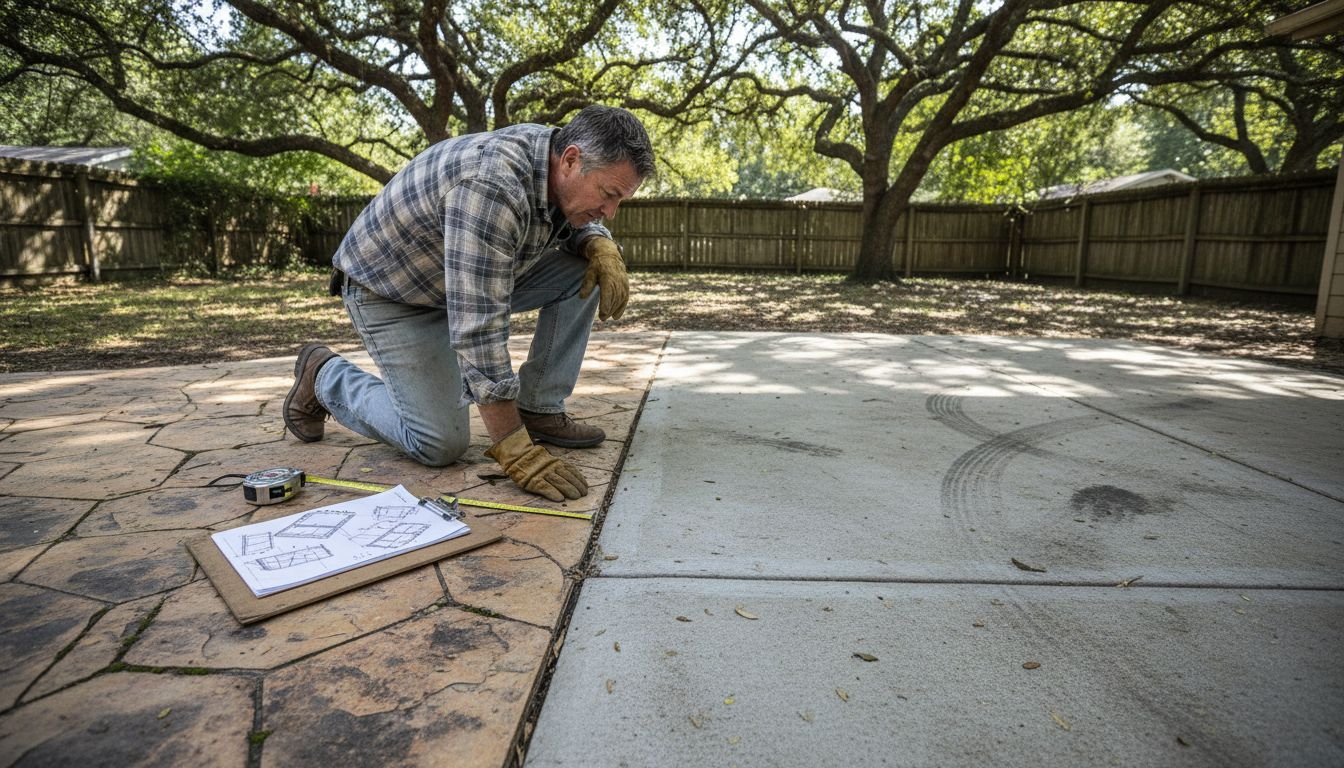
Choosing between decorative stamped concrete and regular concrete can shape the look and feel of any Northern Virginia patio or foundation. Every homeowner wants outdoor spaces that look beautiful and last through the seasons. While regular concrete delivers long-lasting strength, stamped concrete offers unique patterns and textures that can mimic brick, slate, or wood. This guide highlights the key differences and helps you decide which concrete option will match your style, needs, and local climate.
Table of Contents
Key Takeaways
Point | Details |
Stamped Concrete Provides Aesthetic Versatility | Stamped concrete can imitate materials like brick or stone, enhancing visual appeal while maintaining durability. |
Regular Concrete is Cost-Effective for Functional Areas | Ideal for high-traffic areas, regular concrete offers lower initial costs and requires minimal maintenance. |
Installation and Maintenance Differ Significantly | Stamped concrete requires skilled installation and regular resealing, while regular concrete installation is simpler and quicker. |
Environmental Factors Impact Longevity | Homeowners in Northern Virginia should consider local climate conditions when choosing between stamped and regular concrete for optimal performance. |
What Is Stamped and Regular Concrete?
Concrete is more than just a gray, flat surface - it’s a versatile material that can transform outdoor spaces with unique design possibilities. Stamped concrete techniques offer homeowners in Northern Virginia an exciting way to enhance their patios and driveways with decorative finishes that mimic natural materials.
At its core, stamped concrete is a specialized construction technique where fresh concrete is imprinted with patterns, textures, and designs before it completely hardens. Unlike regular concrete, which remains smooth and uniform, stamped concrete can replicate the appearance of:
Brick
Natural stone
Slate
Wood planks
Intricate tile patterns
Regular concrete, by contrast, serves primarily functional purposes. It’s the standard, unadorned concrete used in foundations, sidewalks, and basic structural applications. While regular concrete provides strength and durability, it lacks the aesthetic versatility of its decorative counterpart.
The history of stamped concrete is fascinating - originating with ancient Romans who first developed techniques for creating textured surfaces. Over centuries, these methods evolved, becoming sophisticated decorative approaches used worldwide in modern construction and landscape design.
Pro tip: When considering concrete options, remember that stamped concrete offers both aesthetic appeal and practical durability for your outdoor spaces.
Types and Decorative Options Explained
Stamped concrete offers an impressive range of decorative concrete techniques that transform ordinary surfaces into stunning architectural features. Homeowners can choose from multiple design approaches that dramatically enhance the aesthetic appeal of outdoor spaces while maintaining structural integrity.
The primary decorative concrete types include:
Stamped Concrete: Uses specialized polyurethane or rubber molds pressed onto wet concrete
Exposed Aggregate: Reveals decorative stones and rocks within the concrete surface
Colored Concrete: Integrates pigments directly into the concrete mix
Stained Concrete: Applies chemical or water-based stains for unique color variations
Textured Concrete: Creates surface patterns mimicking natural materials
Each technique offers unique visual characteristics. Stamped concrete, for instance, can replicate expensive materials like natural stone, brick, or wood at a fraction of the cost. The process involves pressing intricate molds into freshly poured concrete, then applying color hardeners and release agents to create depth and realistic texture.
Color options for decorative concrete are virtually unlimited. Homeowners can select integral colors mixed directly into the concrete or use surface color hardeners that provide richer, more vibrant finishes. This flexibility allows for complete customization of outdoor spaces, matching architectural styles or personal design preferences.
Pro tip: Consult a professional concrete designer to explore the most suitable decorative concrete technique for your specific outdoor project and aesthetic goals.
Key Characteristics and Performance Factors
Concrete surfaces demand careful consideration of performance characteristics that impact long-term durability and aesthetic appeal. Concrete performance factors involve multiple critical elements that homeowners must evaluate before making a final selection.
The key performance characteristics of concrete include:
Compressive Strength: Ability to withstand vertical loads
Flexural Strength: Resistance to bending and breaking
Surface Hardness: Capacity to resist scratching and wear
Water Absorption: Potential for moisture penetration
Thermal Stability: Resistance to temperature fluctuations
Stamped concrete offers superior aesthetic versatility while maintaining robust structural integrity. Unlike traditional concrete, stamped surfaces provide enhanced visual appeal without compromising fundamental performance metrics. The specialized molds and color treatments actually reinforce the concrete’s surface, creating a more resilient finished product.
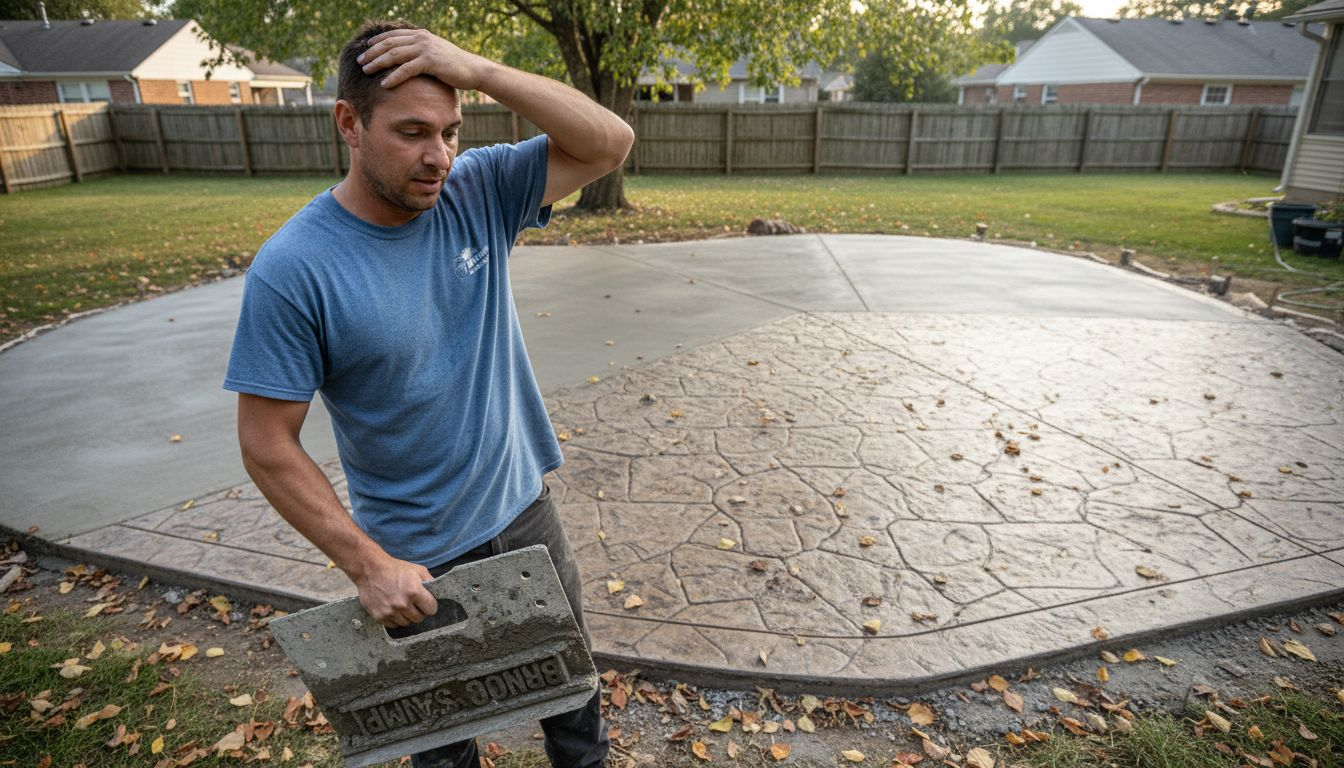
Northern Virginia homeowners should pay special attention to environmental factors when selecting concrete. Local climate conditions - including freeze-thaw cycles, humidity levels, and seasonal temperature variations - significantly impact concrete’s long-term performance. Proper installation and periodic maintenance can dramatically extend the lifespan of both stamped and regular concrete surfaces.
Pro tip: Always request detailed performance specifications and warranty information before finalizing your concrete installation project.
Installation and Maintenance Differences
Concrete installation methods vary dramatically between regular and stamped concrete, with each approach presenting unique challenges and requirements. Concrete installation techniques demand specialized skills and precise execution to ensure optimal results.
Key differences in installation include:
Regular Concrete:
Simpler preparation process
Standard pouring and leveling techniques
Minimal color or textural considerations
Faster installation time
Stamped Concrete:
Complex multi-step installation
Requires precise timing for pattern application
Involves color hardener and release agent application
Demands skilled craftsmanship for pattern consistency
Maintenance requirements also diverge significantly between these two concrete types. Regular concrete typically needs basic cleaning and occasional crack repair, while stamped concrete demands more attentive care. Homeowners should plan to reseal stamped surfaces every 2-3 years to preserve color vibrancy and protect intricate patterns from wear and environmental damage.
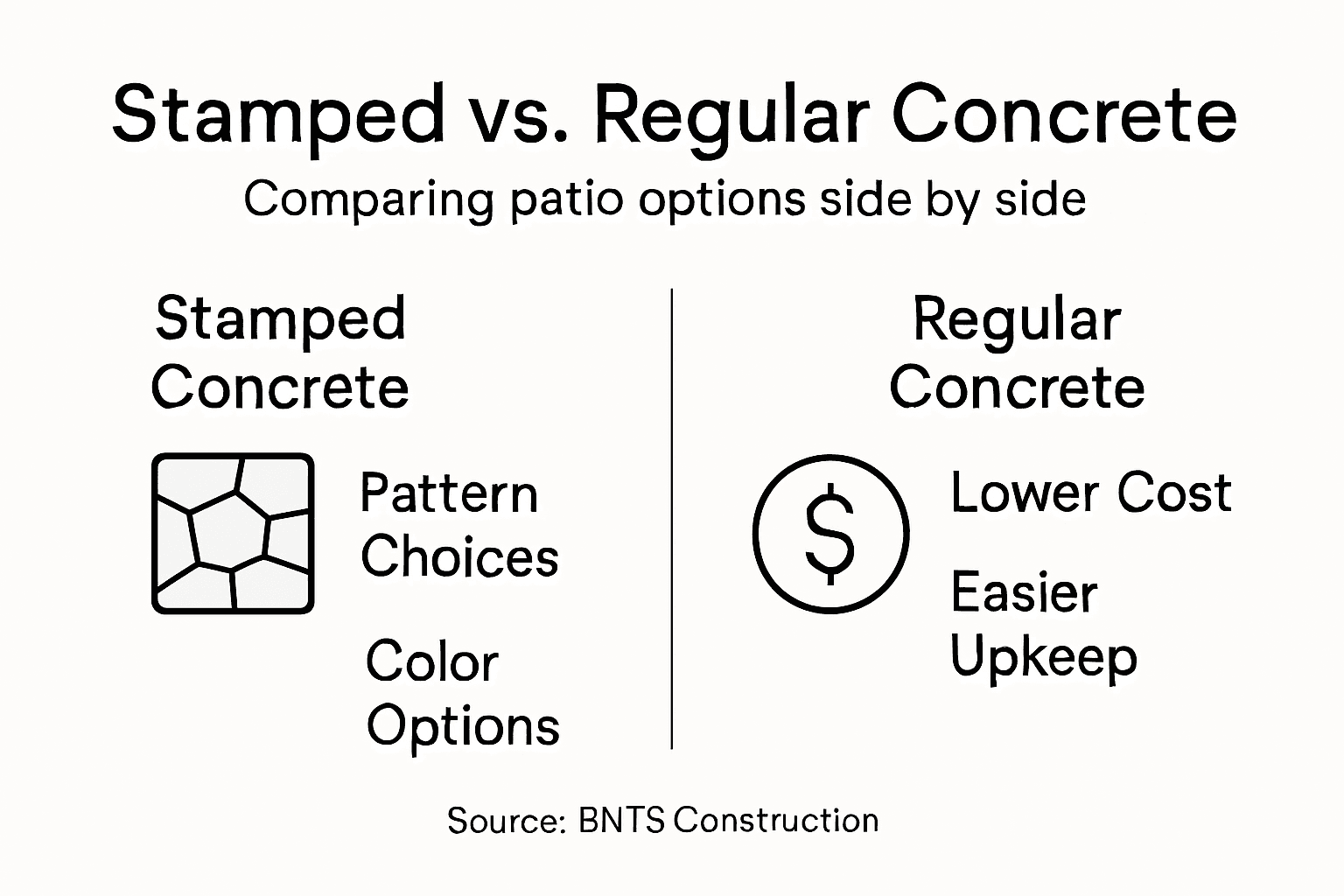
The additional maintenance for stamped concrete doesn’t necessarily translate to higher long-term costs. The specialized surface can actually provide better protection against weathering and wear, potentially extending the overall lifespan of the concrete installation when properly maintained.
Here’s a side-by-side summary to help you compare regular and stamped concrete at a glance:
Characteristic | Regular Concrete | Stamped Concrete |
Surface Appearance | Flat, plain, utilitarian | Decoratively patterned, textured |
Aesthetic Impact | Minimal visual interest | High curb appeal |
Suitability | High-traffic, functional areas | Patios, walkways, visual focal points |
Installation Time | Quick and straightforward | More time-consuming, multi-step |
Customization | None or very limited | Wide variety of patterns/colors |
Lifespan (typical) | 30-50 years | 25-30 years |
Maintenance Cycle | Occasional crack repair | Reseal every 2-3 years |
Pro tip: Schedule professional resealing for stamped concrete every three years and perform annual visual inspections to catch potential issues early.
Cost, Longevity, and Common Pitfalls
Homeowners must carefully evaluate the financial implications and long-term performance of concrete options. Concrete cost comparison reveals significant differences in initial investment and maintenance expenses between stamped and regular concrete.
Cost considerations include:
Stamped Concrete:
Higher initial installation costs ($2,949 - $7,223)
Premium aesthetic appeal
Requires periodic resealing
25-30 year lifespan
Regular Concrete:
Lower initial installation expenses
More budget-friendly for large projects
Minimal maintenance requirements
Potentially longer durability (30-50 years)
Common pitfalls can significantly impact the long-term performance of concrete surfaces. Stamped concrete is more susceptible to visual degradation, with potential issues like color fading and pattern wear if not properly maintained. Regular concrete, while more forgiving, can develop surface cracking and wear over time, particularly in regions with extreme temperature fluctuations.
Northern Virginia homeowners should consider their specific environmental conditions, budget constraints, and aesthetic preferences when selecting between stamped and regular concrete. The additional upfront cost of stamped concrete can be justified by enhanced visual appeal and potential property value increase, provided proper maintenance is consistently performed.
This table identifies common mistakes and how to avoid them for both concrete types:
Pitfall | Regular Concrete | Stamped Concrete |
Improper installation | Causes cracks, poor draining | Leads to faded, uneven patterns |
Neglected maintenance | Encourages surface damage | Accelerates color and pattern loss |
Poor climate adaptation | Increases freeze-thaw damage | Causes premature wear or cracks |
Choosing lowest bid installer | May result in weak mixes | Risks inconsistent color/finish |
Pro tip: Request detailed warranty information and maintenance guidelines from your concrete installation professional to understand the full long-term cost implications.
When to Choose Each Concrete Option
Selecting the right concrete solution requires careful evaluation of your specific project needs, aesthetic preferences, and budget constraints. Concrete design options play a crucial role in determining the most appropriate material for your outdoor space.
Ideal scenarios for Regular Concrete include:
Large, functional areas like driveways
Foundation work
High-traffic commercial spaces
Projects with tight budget limitations
Areas requiring maximum structural durability
Spaces prioritizing performance over appearance
Stamped concrete emerges as the superior choice in scenarios demanding visual sophistication. Homeowners seeking to elevate their outdoor aesthetic should consider stamped concrete for:
Decorative patios
Pool surrounds
Entryways and walkways
Areas where design complexity matters
Spaces requiring unique visual character
Locations where curb appeal is paramount
Northern Virginia’s diverse climate requires strategic concrete selection. While regular concrete offers robust performance, stamped concrete provides an opportunity to transform mundane surfaces into artistic expressions. The decision ultimately hinges on balancing aesthetic desires with practical performance requirements.
Pro tip: Consult a local concrete professional who understands Northern Virginia’s specific environmental conditions to make the most informed material selection.
Discover Your Perfect Concrete Solution for Stunning Patios and Durable Foundations
Choosing between stamped and regular concrete can be a tough decision when designing your outdoor space. The article highlights important challenges like achieving the right balance between aesthetic appeal and long-term durability while addressing factors such as maintenance, climate adaptation, and budget constraints. Whether you want the rich textures of stamped concrete or the sturdy reliability of regular concrete, understanding these key concepts helps you make a smart choice for your home.
At BNTS Construction, we specialize in both stamped concrete and regular concrete installations tailored to fit your unique needs. Our expert team ensures precise craftsmanship and durable results that stand up to Northern Virginia’s climate. We also offer comprehensive services including masonry, custom patios, foundations, and additions so you can achieve that perfect outdoor transformation.
Are you ready to elevate your patio’s look while enjoying lasting performance?
Take the first step today by visiting our website to explore how our concrete solutions can bring your vision to life. Learn more about the benefits of stamped concrete and regular concrete and secure your professional consultation for a lasting outdoor investment. Don’t wait for wear or fading to take hold act now to protect and beautify your home with BNTS Construction.
Frequently Asked Questions
What is the difference between stamped concrete and regular concrete?
Stamped concrete is a decorative technique that involves imprinting patterns and textures onto wet concrete, allowing it to mimic materials like brick or stone. In contrast, regular concrete is a standard, flat surface primarily used for functional purposes without decorative elements.
How long does stamped concrete last compared to regular concrete?
Stamped concrete typically lasts between 25-30 years, while regular concrete can endure for 30-50 years. However, the longevity of both options depends on factors like installation quality and maintenance practices.
What are the maintenance requirements for stamped concrete?
Stamped concrete requires more maintenance than regular concrete. Homeowners should plan to reseal stamped surfaces every 2-3 years to maintain color vibrancy and protect patterns from wear. Regular concrete mostly needs basic cleaning and occasional crack repairs.
Is stamped concrete more expensive than regular concrete?
Yes, stamped concrete generally has higher initial installation costs due to the additional labor and materials required for pattern creation and color application. However, it can enhance property value and aesthetic appeal, justifying the investment.
Recommended
Comments