
What Is Masonry Work and Its Value for Homeowners
- tbsinfotech5
- Jan 28
- 9 min read
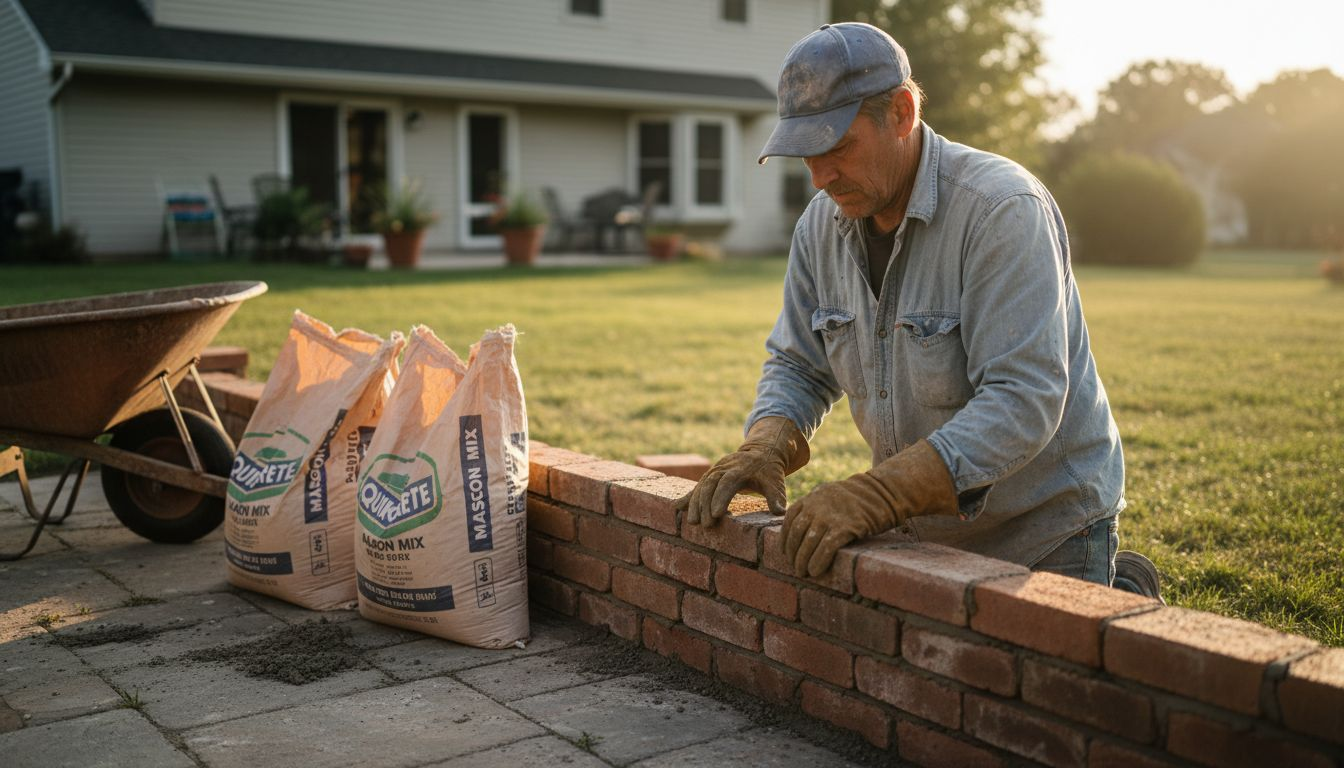
Every homeowner in Northern Virginia knows how a thoughtfully crafted patio or walkway can turn an ordinary yard into a standout retreat. When pursuing a new build or renovation, the choice of materials and craftsmanship becomes the foundation of lasting value. With masonry construction offering a blend of durability, style, and time-tested strength, this approach brings both visual charm and functional reliability to your outdoor spaces.
Table of Contents
Key Takeaways
Point | Details |
Masonry Construction Techniques | Masonry involves precise assembly of materials such as brick, stone, and concrete blocks for durability and strength. Understanding material properties is crucial for successful execution. |
Material Selection | The choice of masonry materials impacts performance and longevity, with options including clay bricks, natural stone, and concrete blocks. Engage a professional to select materials based on project needs and local regulations. |
Site Preparation and Planning | Thorough site evaluation and strategic design are essential for effective masonry projects. Proper foundation and drainage considerations can significantly impact the structure’s long-term performance. |
Cost and Maintenance Considerations | While masonry offers long-lasting benefits, initial costs can be high, and ongoing maintenance is essential to prevent issues like moisture penetration and material degradation. Assess project costs carefully and seek professional guidance. |
Defining Masonry Work in Construction
Masonry work represents an ancient and sophisticated construction technique involving the precise assembly of individual building units like brick, stone, or concrete blocks to create sturdy structural elements. Structural engineering experts emphasize that successful masonry requires meticulous planning, understanding material properties, and executing precise placement techniques.
At its core, masonry construction involves strategically combining individual units using mortar as a binding agent. This method allows builders to create walls, foundations, decorative features, and load-bearing structures with remarkable durability. Unlike other construction approaches, masonry provides exceptional strength, fire resistance, and thermal insulation. The technique has evolved from ancient civilizations building pyramids and cathedrals to modern residential and commercial construction applications.
The materials used in masonry work significantly impact the structure’s performance and longevity. Common masonry materials include clay bricks, natural stone, concrete blocks, and engineered stone. Each material offers unique characteristics: clay bricks provide traditional aesthetics, natural stone delivers exceptional durability, and concrete blocks offer cost-effective structural integrity. Professional masons carefully select and combine these materials based on project requirements, local building codes, environmental conditions, and aesthetic preferences.
Pro Tip: Always consult a professional masonry contractor who understands local building regulations and can recommend the most appropriate materials for your specific construction or renovation project.
Main Types of Masonry Methods
Masonry construction encompasses several distinct methods, each with unique characteristics and applications for residential and commercial projects. Construction techniques vary widely across different material types and structural requirements, allowing builders to select the most appropriate approach for specific building needs.
Brick Masonry represents one of the most traditional and versatile construction methods. This technique involves carefully arranging clay or concrete bricks in precise patterns, using mortar to create strong, durable walls and structures. Brick masonry offers excellent thermal insulation, fire resistance, and aesthetic appeal, making it a popular choice for both exterior and interior building applications. Homeowners appreciate brick masonry for its classic appearance and long-lasting performance.
Another critical masonry method is Stone Masonry, which utilizes natural or cut stone units to create exceptionally strong and visually striking structures. Structural engineering standards emphasize the importance of proper reinforcement and placement techniques in stone masonry. This method includes subcategories like rubble stone masonry (using irregular stones) and ashlar masonry (using precisely cut and dressed stone blocks), each offering distinct aesthetic and structural benefits.
Concrete Block Masonry provides a cost-effective and efficient construction technique, particularly popular in modern residential and commercial buildings. Concrete blocks offer superior strength, sound insulation, and thermal performance compared to traditional brick. They are particularly useful in foundation construction, retaining walls, and exterior building envelopes. Professional masons can reinforce concrete block walls to enhance structural integrity and meet specific load-bearing requirements.
Pro Tip: Always consult a professional masonry contractor who can evaluate your specific project requirements and recommend the most suitable masonry method for your budget, aesthetic preferences, and structural needs.
Here’s a comparison of common masonry methods and their applications:
Method | Typical Materials Used | Main Applications | Notable Characteristics |
Brick Masonry | Clay, concrete bricks | Walls, facades, interiors | Classic look, good insulation |
Stone Masonry | Natural, cut stone | Foundations, decorative walls | Very durable, elegant appearance |
Concrete Block Masonry | Concrete blocks | Foundations, exterior walls | Cost-effective, high strength |
How Masonry Projects Are Built
Masonry projects require meticulous planning and execution, beginning with comprehensive material preparation and strategic design. Construction technology experts emphasize that successful masonry work depends on careful selection of materials, precise preparation techniques, and skilled implementation of construction methods.
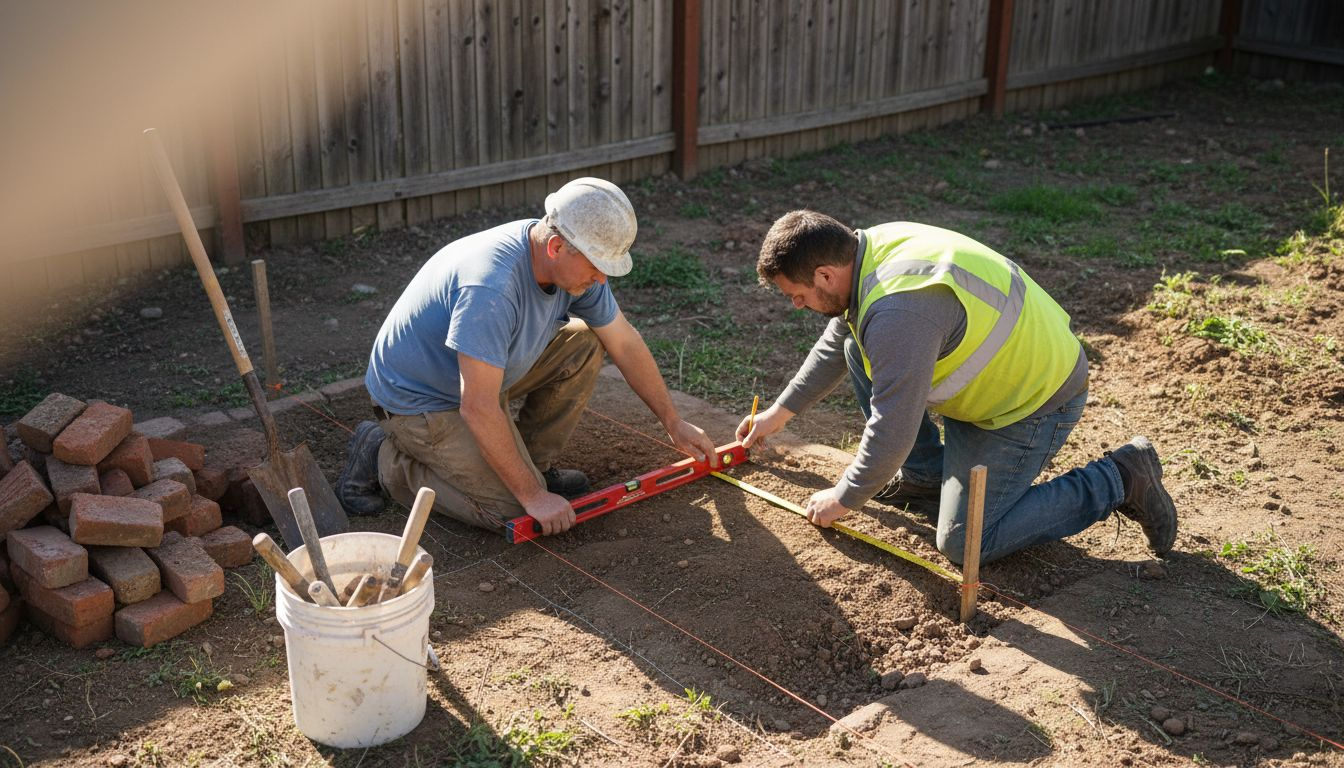
Site Preparation represents the critical first phase of any masonry project. Professional masons start by thoroughly evaluating the construction site, assessing soil conditions, drainage requirements, and potential structural challenges. This initial assessment helps determine foundational needs, including potential excavation, leveling, and ground reinforcement. Precise measurements and detailed site surveys ensure that the subsequent masonry work will have a stable and appropriate base for construction.
The actual construction process involves several intricate steps, with structural engineering standards guiding each stage of implementation. Masons carefully mix mortar to exact specifications, selecting the appropriate blend based on the project’s structural requirements and environmental conditions. They then methodically lay masonry units, ensuring perfect alignment, consistent joint spacing, and proper bonding. Reinforcement techniques, such as installing steel bars or wire mesh, are strategically implemented to enhance structural strength and durability.
Professional masons employ specialized tools and techniques throughout the construction process, including spirit levels, measuring tapes, trowels, and cutting equipment. Each masonry unit is carefully placed, with constant attention to maintaining straight lines, proper angles, and consistent mortar joints. The process requires exceptional skill, with experienced masons adapting their techniques to accommodate unique architectural designs, site-specific challenges, and specific material characteristics.
Pro Tip: Request detailed progress photographs and documentation from your masonry contractor to track the construction process and ensure each stage meets your specific project requirements.
Key Benefits and Challenges of Masonry
Masonry construction offers homeowners a remarkable blend of aesthetic appeal, structural integrity, and long-term value. Masonry services provide comprehensive solutions for residential and commercial property improvements, presenting both significant advantages and potential challenges that property owners should carefully consider.
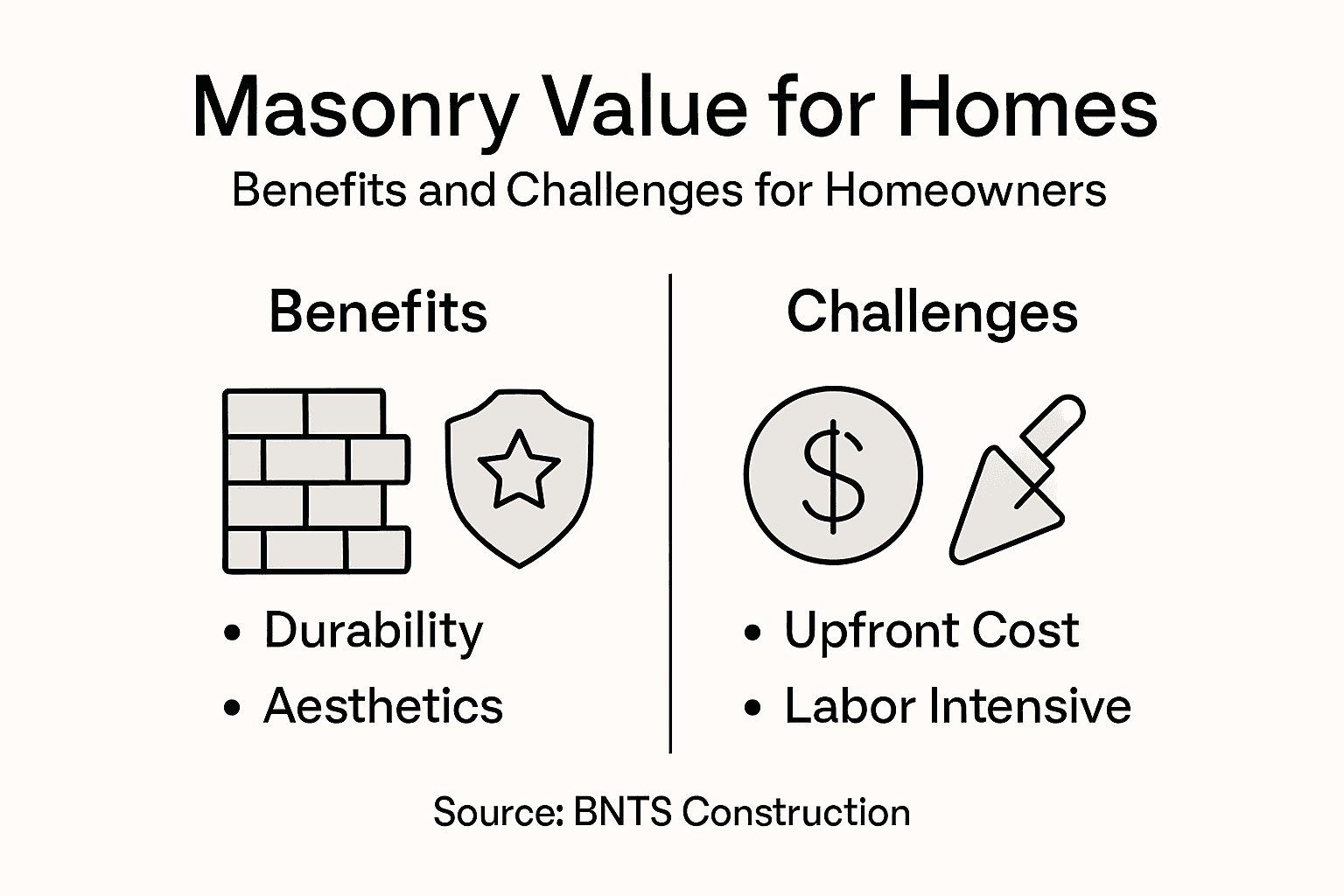
Benefits of Masonry are extensive and compelling. Masonry structures deliver exceptional durability, with properly constructed walls and foundations capable of lasting generations. These structures offer superior fire resistance, excellent thermal insulation, and remarkable sound dampening capabilities. Homeowners appreciate masonry’s aesthetic versatility, allowing for diverse design options from rustic stone walls to sleek brick facades. Additionally, masonry construction provides excellent protection against environmental elements, reducing maintenance requirements and potentially increasing property value.
However, masonry work is not without its challenges. The initial installation costs can be significantly higher compared to alternative construction methods. Complex masonry projects require highly skilled professionals, and the labor-intensive nature of the work can extend project timelines. Moisture management becomes crucial, as improper installation can lead to water penetration, potential structural weakening, and long-term maintenance issues. Climate variations can also impact masonry performance, with extreme temperature fluctuations potentially causing material expansion, contraction, and eventual degradation.
The key to successful masonry lies in understanding these nuanced benefits and challenges. Professional assessment, quality materials, expert installation, and ongoing maintenance are critical factors that determine the long-term success of any masonry project. Homeowners should work closely with experienced masonry contractors who can provide tailored recommendations based on specific environmental conditions, architectural design requirements, and budgetary constraints.
Pro Tip: Request multiple detailed quotes from certified masonry professionals and carefully compare their proposed materials, techniques, and long-term warranty provisions.
Costs, Risks, and Common Mistakes
Masonry projects represent significant financial and structural investments that require careful planning and expert execution. Masonry construction problems can emerge from multiple sources, ranging from material selection to installation techniques, potentially resulting in costly repairs and structural complications.
Cost Considerations play a crucial role in masonry project planning. Initial expenses for masonry work typically range from $10 to $30 per square foot, depending on material complexity, project scope, and regional labor rates. Homeowners should budget for potential additional costs such as site preparation, specialized equipment, and potential structural reinforcements. Factors like material quality, design intricacy, and geographic location significantly influence overall project expenses. Stone masonry tends to be the most expensive, while brick and concrete block options offer more budget-friendly alternatives.
Structural Risks represent another critical aspect of masonry construction that demands careful attention. Structural monitoring techniques become essential in preventing potential wall displacement or collapse. Common risks include improper load distribution, moisture penetration, inadequate foundation preparation, and material degradation from environmental stressors. Temperature fluctuations, soil movement, and insufficient reinforcement can compromise structural integrity, leading to potential wall cracking, shifting, or complete failure.
Professional masons identify several common mistakes that homeowners and inexperienced contractors frequently make. These include using incorrect mortar mixtures, neglecting proper drainage systems, failing to account for thermal expansion, and overlooking critical weatherproofing techniques. Inadequate joint preparation, inconsistent mortar application, and using mismatched materials can significantly reduce a masonry structure’s longevity and performance. Regular professional inspections and maintenance can help mitigate these risks and extend the structure’s useful life.
Pro Tip: Request comprehensive documentation of material specifications, installation techniques, and potential warranty coverages before starting your masonry project.
The following table summarizes major risks and solutions in masonry construction:
Risk Factor | Typical Impact | Prevention Strategy |
Moisture Penetration | Wall deterioration, mold growth | Install proper drainage and sealants |
Improper Mortar Mix | Structural instability, cracking | Use tested mix ratios, skilled labor |
Poor Reinforcement | Wall shifting, potential collapse | Add steel bars or mesh as required |
Thermal Expansion Issues | Material cracking, weakened joints | Include expansion joints, use quality materials |
Choosing Masonry for Outdoor Spaces
Masonry offers homeowners exceptional opportunities for transforming outdoor living areas with durable, aesthetically pleasing materials. Exterior masonry design principles emphasize creating functional and visually appealing spaces that seamlessly integrate with residential landscapes.
Patio and Walkway Construction represents one of the most popular applications for masonry in outdoor environments. Stone, brick, and concrete block materials provide diverse design options that can dramatically enhance property aesthetics and functionality. Natural stone pavers create elegant, textured surfaces that withstand heavy foot traffic and harsh weather conditions. Homeowners can choose from various patterns like herringbone, basket weave, or running bond to create unique visual experiences that complement architectural styles and personal preferences.
Retaining walls and outdoor architectural features offer another compelling opportunity for masonry implementation. Masonry performance in outdoor applications demonstrates remarkable durability and versatility. These structures not only provide critical landscape support but also serve aesthetic purposes, creating defined spaces, managing soil erosion, and adding architectural interest. Materials like natural stone, concrete blocks, and engineered stone can be strategically used to create multi-level gardens, terraced landscapes, and decorative boundary markers that enhance overall property value.
When selecting masonry for outdoor spaces, homeowners must consider critical factors including local climate conditions, maintenance requirements, and long-term performance expectations. Different materials offer unique advantages: granite provides exceptional durability, limestone delivers elegant aesthetics, and concrete blocks offer cost-effective solutions. Professional consultation can help determine the most appropriate materials and design approaches tailored to specific environmental challenges and design objectives.
Pro Tip: Consult with a professional masonry contractor to conduct a comprehensive site evaluation before finalizing your outdoor masonry design to ensure optimal material selection and installation techniques.
Transform Your Home with Expert Masonry Solutions
Understanding the challenges and benefits of masonry work is only the first step to elevating your home’s value and durability. From selecting the perfect materials to ensuring proper installation and long-term maintenance, the complexity of masonry requires trusted professionals who can deliver lasting results. If you are seeking expert craftsmanship for your patios, foundations, or custom masonry projects, you deserve a team that understands local building conditions and applies the best industry practices.

At BNTS Construction, we specialize in high-quality masonry and concrete work tailored to your property’s unique needs. Whether you want to enhance outdoor spaces with elegant stamped concrete or build strong foundations and beautiful custom patios, our experienced team is ready to guide you through every step. Don’t wait until costly repairs arise from poor workmanship or moisture issues. Visit our main site today to explore how our masonry services can bring your vision to life with durability and style. Take the first step towards a home that stands the test of time by contacting us now on BNTS Construction.
Frequently Asked Questions
What is masonry work in construction?
Masonry work is a construction technique that involves assembling individual building units such as brick, stone, or concrete blocks using mortar to create durable walls, foundations, and decorative features.
What are the main types of masonry methods?
The primary types of masonry methods include brick masonry, stone masonry, and concrete block masonry. Each method has its unique characteristics and applications, with brick offering aesthetic appeal, stone providing exceptional durability, and concrete blocks being cost-effective.
What are the benefits of masonry for homeowners?
Masonry offers numerous benefits, including durability, fire resistance, thermal insulation, and aesthetic versatility. Properly constructed masonry structures can last for generations with reduced maintenance.
What are common mistakes to avoid in masonry projects?
Common mistakes include using incorrect mortar mixtures, neglecting drainage systems, and failing to account for thermal expansion. Working with experienced professionals can help prevent these issues and ensure the longevity of masonry structures.
Recommended
Comments