
Why Use Decorative Concrete for Northern Virginia Patios
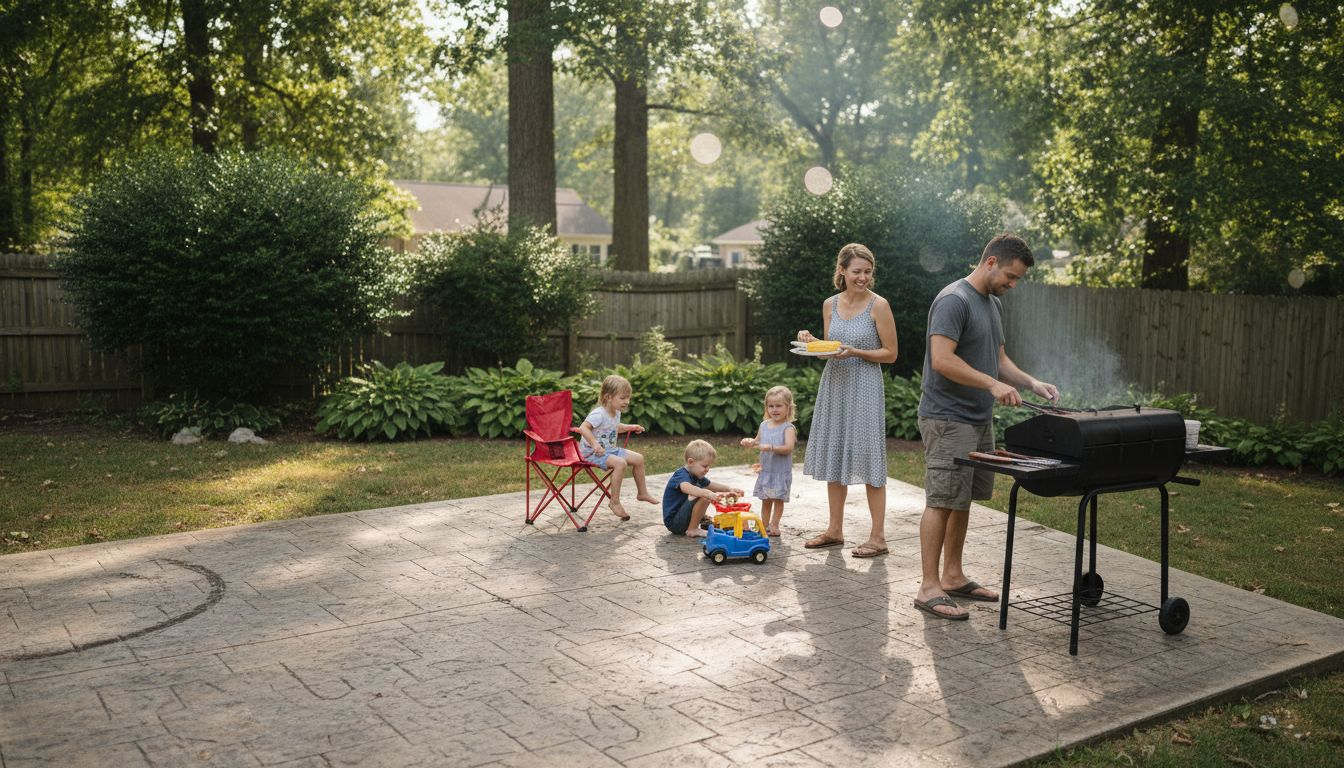
A plain slab might support your patio, but it rarely turns heads or reflects your personal style. For many Northern Virginia homeowners, the search for outdoor spaces that are both resilient and visually stunning leads straight to decorative concrete. More than just a functional foundation, this material offers a blend of durability and artistry that transforms patios into beautiful gathering spots. Explore the techniques, design choices, and benefits that set decorative concrete apart from the ordinary.
Table of Contents
Key Takeaways
Point | Details |
Decorative Concrete Enhances Space | It combines structural durability with aesthetic appeal, transforming surfaces into attractive focal points. |
Maintenance is Necessary | To maintain its beauty, decorative concrete requires regular sealing and cleaning to prevent fading and damage. |
Diverse Styles Available | Homeowners can customize colors, patterns, and textures, with options like stamped, polished, and exposed aggregate concrete. |
Cost-Effective Alternative | Decorative concrete typically costs less than natural stone while providing comparable aesthetics and lower long-term maintenance costs. |
What Decorative Concrete Is and Isn’t
Decorative concrete goes beyond the gray slabs you see in parking lots. This is concrete designed to be beautiful. Decorative concrete combines structural durability with visual appeal, using color, texture, and pattern to transform surfaces into architectural focal points. When applied correctly, it serves as both a functional base and an artistic element for your patio.
The key distinction lies in the approach. Regular concrete prioritizes strength and utility. Decorative concrete balances those same structural qualities with aesthetic contribution through carefully selected materials and application techniques. Think of it as the difference between a plain t-shirt and one with a design you actually want to wear—both function the same way, but one makes a statement about your space.
Decorative concrete accomplishes visual effects in several ways. Stamped patterns mimic natural stone or brick. Acid staining creates mottled, organic-looking colors that develop character over time. Polishing transforms surfaces into sleek, reflective finishes. Overlays add textured layers on top of existing concrete. Many Northern Virginia homeowners choose these techniques because they deliver the look of expensive materials like slate or flagstone without the cost or maintenance headaches of natural stone.
Here’s what decorative concrete is not: it’s not maintenance-free. Decorative concrete’s aesthetic can fade over time without proper maintenance, requiring periodic sealing and cleaning to maintain that fresh appearance. It’s also not indestructible—harsh winters, heavy traffic, and certain chemicals can damage the finish, though it remains far more durable than many natural alternatives. Understanding these limitations helps you set realistic expectations for your patio investment.
The beauty of decorative concrete for Northern Virginia patios is its flexibility. You can customize colors, patterns, and textures to match your home’s architecture and your personal style. Whether you prefer the rustic warmth of slate-look stamped patterns or the contemporary shine of polished concrete, the options adapt to your vision.
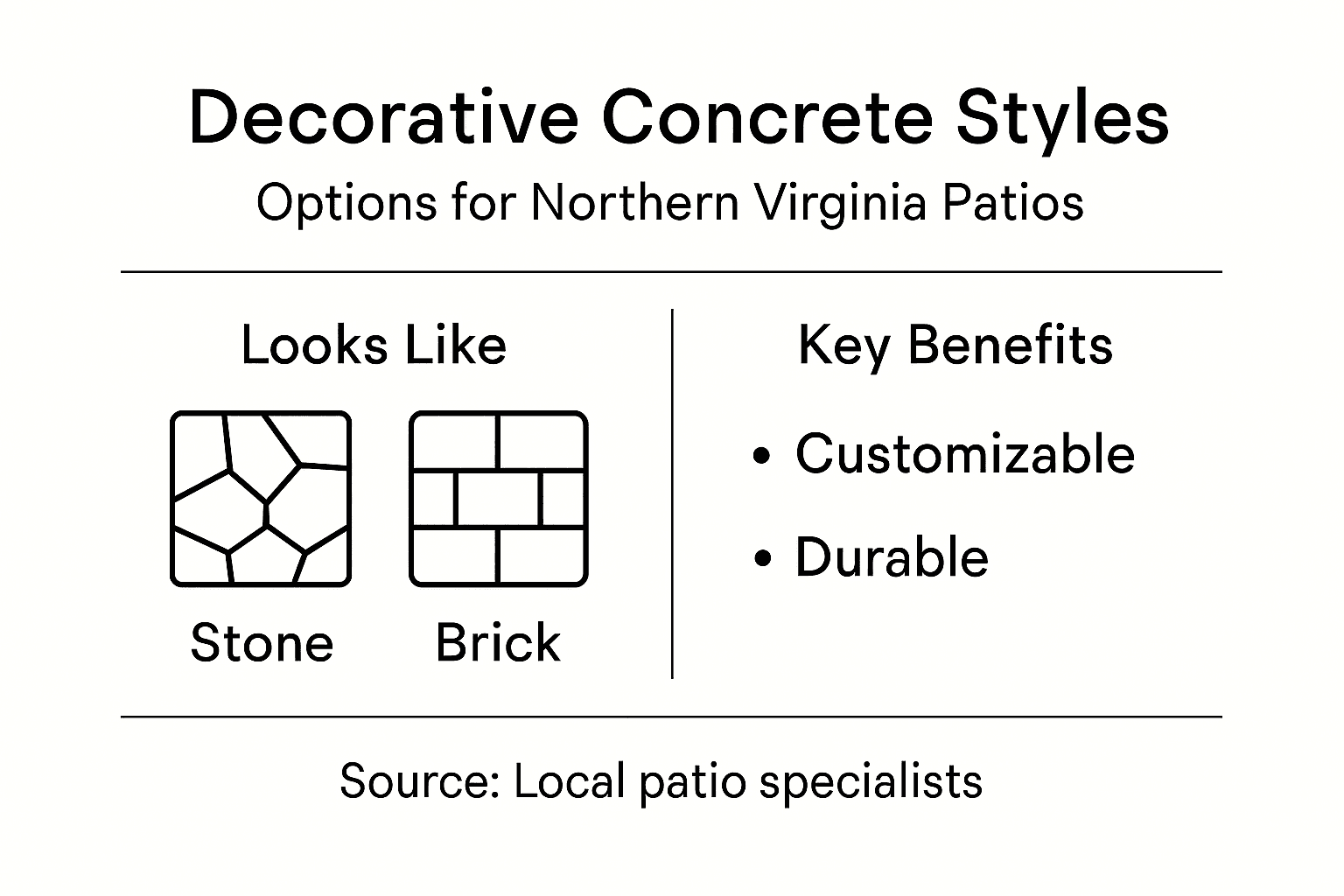
Pro tip: Ask your contractor about sealer options during installation—choosing the right sealer upfront protects your decorative finish and extends its lifespan by years, saving you money on repairs and resealing down the road.
Popular Decorative Concrete Styles Explained
Northern Virginia homeowners have more options than ever when choosing decorative concrete for their patios. Each style offers distinct visual appeal and practical benefits. The right choice depends on your home’s architecture, your lifestyle, and the look you want to achieve.
Stamped concrete remains the most popular choice for residential patios. This technique uses molds to press patterns into fresh concrete, creating textures that mimic natural stone, brick, or wood. The patterns are essentially permanent and add visual interest without ongoing maintenance concerns. Many Northern Virginia homeowners choose stamped patterns because they deliver that high-end look without the cost or upkeep of actual slate or flagstone.
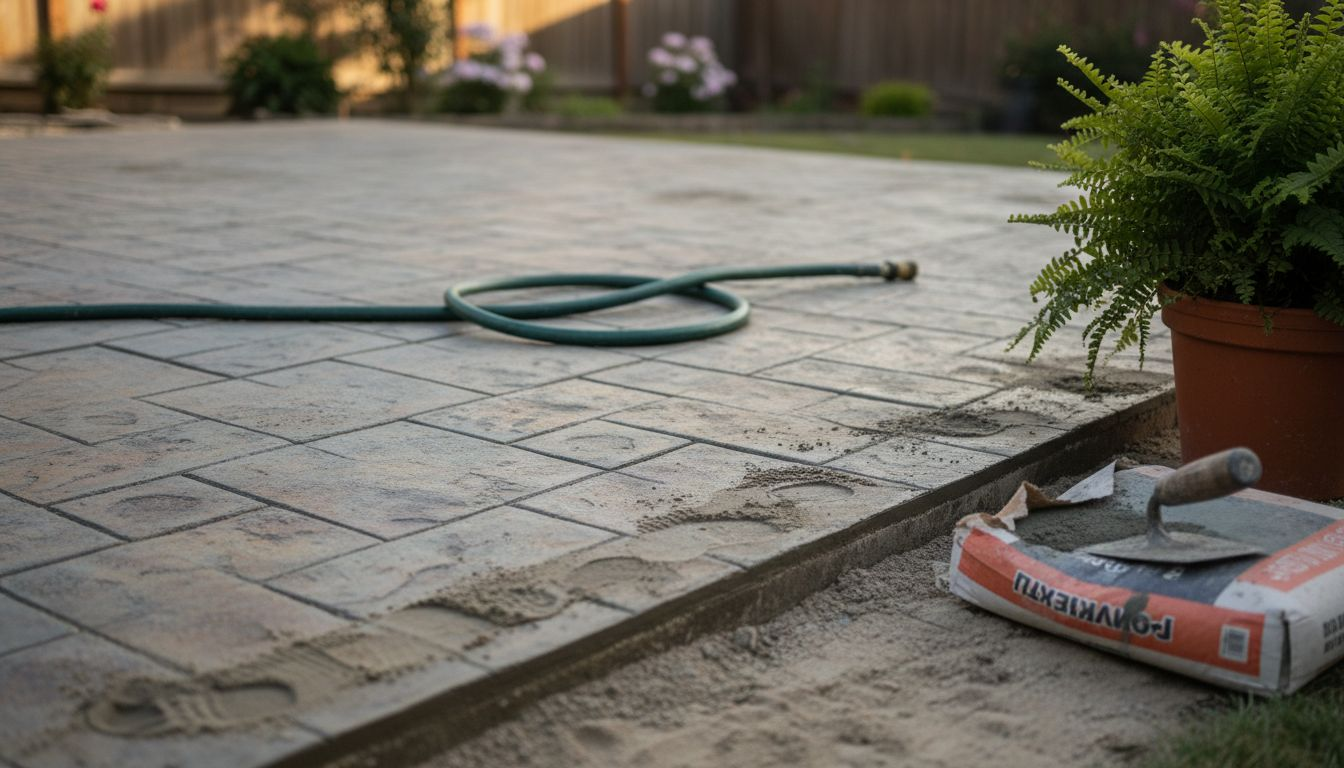
Polished concrete takes a different approach. Instead of adding texture through stamping, polished concrete provides a glossy, modern finish that reflects light and creates contemporary sophistication. This style works beautifully for transitional spaces between your indoor and outdoor areas. It’s sleek and clean, though it requires more frequent cleaning to maintain that shine.
Exposed aggregate showcases decorative stones and pebbles embedded in the concrete surface. You see the individual stones rather than a smooth finish, which adds natural texture and slip resistance. This style works wonderfully in Northern Virginia’s climate because the texture prevents slipping when wet. It also feels less formal than stamped or polished options.
Colored concrete offers design flexibility by incorporating pigments throughout or on the surface. You can match your patio color to your home’s exterior or create contrast. Colors fade gradually over time with sun exposure, which some homeowners appreciate as it gives the patio a naturally weathered character.
Broom-finished concrete provides an economical option with practical benefits. The brushed texture enhances traction and prevents slipping, making it ideal if you prioritize safety over elaborate design. It’s the most budget-friendly decorative approach while still offering more visual interest than plain gray concrete.
Below is a comparison of popular decorative concrete patio styles and their distinctive characteristics:
Style | Visual Effect | Practical Benefit | Maintenance Level |
Stamped Concrete | Mimics natural stone look | High-end appearance | Moderate (sealing needed) |
Polished Concrete | Glossy, sleek surface | Modern, reflective | Higher (frequent cleaning) |
Exposed Aggregate | Pebbled, textured finish | Enhanced slip resistance | Low to moderate |
Colored Concrete | Integrated color options | Matches home exterior | Fading possible, reseal |
Broom-Finished | Subtle texture, lines | Best budget traction | Low (periodic cleaning) |
Pro tip: Visit your contractor’s photo gallery to see how different styles look in various lighting conditions and seasons, especially during Northern Virginia winters, so you can make a choice you’ll love year-round.
Design and Installation: How It Works
Decorative concrete installation is not a simple pour-and-done process. Success depends on careful planning, skilled execution, and attention to detail at every stage. Understanding what happens from consultation through completion helps you work effectively with your contractor.
The process starts with a thorough consultation and site evaluation. Your contractor assesses your patio space, soil conditions, drainage patterns, and how your home’s architecture influences design choices. This is when you discuss patterns, colors, textures, and how the finished patio will connect with your landscape. A professional contractor will also evaluate whether your existing substrate can handle decorative concrete or if preparation work is needed.
Once design decisions are made, substrate preparation begins. The ground must be properly compacted and graded to ensure water drains away from your home. This foundation work is invisible but absolutely critical—poor preparation leads to cracking and premature failure. Concrete mixing comes next, with precise concrete mixing ensuring consistent color and strength throughout your patio.
Pouring and finishing happen while the concrete is still plastic and workable. Your contractor pours the mix, levels it, and then applies decorative techniques. For stamped concrete, molds are pressed into the surface while it has the right consistency. For colored finishes, pigments or acid stains are applied to achieve the desired aesthetic. Timing is everything here—too early and the concrete isn’t firm enough, too late and it’s too hard to work with.
Curing is when concrete gains strength and hardness. This typically takes 7 to 10 days, during which the patio must stay dry and undisturbed. After curing, sealing protects your investment from water penetration, staining, and weather damage. This final step locks in the color and texture while creating a protective barrier against Northern Virginia’s freeze-thaw cycles.
Pro tip: Ask your contractor about their warranty on both installation and sealing, and get specific guidance on maintenance intervals—proper care in year one sets the tone for long-term durability.
Durability, Maintenance, and Lifespan Factors
Decorative concrete can last decades if you understand what affects its lifespan and commit to basic maintenance. Northern Virginia’s climate presents specific challenges, but with the right approach, your patio will remain beautiful and functional for 30 years or longer.
The foundation of durability starts with the concrete mix itself. A well-designed concrete mix with air entrainment improves freeze-thaw resistance, which matters tremendously in Northern Virginia winters. Air-entrained concrete contains tiny air bubbles that allow water to expand without cracking when temperatures drop. This single feature can add years to your patio’s lifespan and prevent the spalling and surface damage you see on poorly maintained concrete.
Sealing concrete significantly extends service life by preventing water penetration and reducing permeability. Water is concrete’s enemy. It infiltrates the surface, freezes in winter, and causes internal stress that leads to cracking. A quality sealer creates a protective barrier that keeps moisture out while allowing the concrete to breathe. Most homeowners need to reseal their decorative concrete every 2 to 3 years depending on foot traffic and weather exposure.
Regular cleaning prevents staining and keeps your patio looking newer longer. Remove leaves, dirt, and debris promptly. Power wash annually or as needed, but use moderate pressure to avoid damaging the surface. For colored or stained concrete, be cautious with harsh chemicals that can fade or discolor the finish.
Repairs matter too. Small cracks and chips should be addressed quickly before they spread. Water seeps into cracks during rain and freezes in winter, expanding the damage. Catching problems early prevents expensive repairs later. Many contractors offer touch-up services or can recommend repair products you can apply yourself.
Northern Virginia’s freeze-thaw cycles demand attention. Winter salt used on nearby roads can penetrate concrete and cause deterioration. Minimize salt exposure around your patio and rinse the surface after winter storms when possible.
Pro tip: Schedule sealing and inspection appointments in early fall, before winter weather arrives, so your patio is fully protected when freeze-thaw cycles begin.
Cost, Value, and Alternatives Compared
When comparing patio options, decorative concrete stands out for delivering high-end aesthetics without the premium price tag. Northern Virginia homeowners often discover that the value proposition extends far beyond the initial installation cost.
Decorative concrete typically costs less than natural stone, tile, or brick alternatives. A stamped concrete patio that mimics slate or flagstone runs significantly cheaper than actual stone while delivering nearly identical visual impact. You avoid the complexity of fitting individual stones and the ongoing maintenance headaches that come with natural materials. Color variations and weathering happen naturally with decorative concrete, adding character over time rather than requiring replacement of damaged pieces.
Decorative concrete offers similar aesthetics at lower initial and maintenance costs compared to traditional materials. This cost advantage matters when you factor in long-term expenses. Natural stone requires periodic resealing, potential repairs from cracked or chipped pieces, and sometimes replacement due to frost damage in Northern Virginia winters. Decorative concrete needs sealing every few years and occasional cleaning, but the overall maintenance burden is lighter.
The return on investment is solid. A well-executed decorative concrete patio enhances curb appeal and increases home value. Buyers notice attractive outdoor spaces, and a finished patio removes one item from their renovation wish list. This translates to real value when you sell.
Other alternatives deserve consideration too. Composite decking offers durability but costs more upfront and requires replacement after 20 to 30 years. Gravel or mulch patios are cheaper initially but need constant replenishment and don’t provide the same finished aesthetic. Paver patios rival decorative concrete in cost but involve more maintenance as individual pavers shift and settle.
Here’s how decorative concrete patios compare with other common patio materials:
Material | Upfront Cost | Lifespan Estimate | Maintenance Needs |
Decorative Concrete | Moderate | 30+ years | Reseal, clean, minor repairs |
Natural Stone | High | 25–50 years | Replace cracked stones, reseal |
Composite Decking | High | 20–30 years | Occasional cleaning, replacement |
Pavers | Moderate-High | 25–40 years | Weed control, releveling |
Gravel/Mulch | Low | 2–5 years | Frequent replenishment |
The flexibility of decorative concrete matters economically. You can phase projects or upgrade later. Start with a basic colored concrete patio and add stamped patterns to select areas in future years. This staged approach spreads costs while delivering immediate functionality.
Pro tip: Get quotes from multiple contractors and ask what’s included in their pricing, including sealing and warranty, so you’re comparing actual total costs rather than just the concrete pour.
Transform Your Northern Virginia Patio with Expert Decorative Concrete
The challenge many Northern Virginia homeowners face is balancing beauty and durability for their outdoor spaces. Decorative concrete offers solutions by combining stunning stamped patterns, rich colors, and textures that mimic natural stone with the strength necessary to withstand local freeze-thaw cycles. If you want a patio that enhances curb appeal while standing up to weather and wear, understanding proper installation, sealing, and maintenance is key.
At BNTS Construction, we specialize in delivering high-quality Stamped Concrete and custom concrete work designed to bring your vision to life. Whether you want the elegance of slate-look stamped patios or the sleek finish of polished concrete, our experienced team uses the best techniques to ensure lasting results. We also offer foundational and masonry services to create a truly integrated outdoor living area that fits your home’s architecture.
Ready to elevate your patio’s style and durability with decorative concrete tailored for Northern Virginia conditions? Visit us at BNTS Construction to explore how our expertise in concrete installation, sealing, and maintenance can protect your investment for decades. Contact us now for a consultation so you can enjoy a beautiful outdoor space that lasts through every season.
Frequently Asked Questions
What is decorative concrete, and how is it different from regular concrete?
Decorative concrete is a type of concrete designed to be visually appealing while maintaining structural durability. It combines aesthetics with functionality, using colors, patterns, and textures to enhance outdoor spaces, unlike regular concrete, which primarily focuses on strength and utility.
How long does decorative concrete last?
With proper installation and maintenance, decorative concrete can last over 30 years. Key factors influencing its lifespan include quality of the concrete mix, weather conditions, regular sealing, and cleaning practices to prevent damage.
What maintenance does decorative concrete require?
Decorative concrete requires periodic sealing, regular cleaning to remove dirt and debris, and prompt attention to any cracks or chips to prevent further damage. Resealing is typically recommended every 2 to 3 years depending on foot traffic and weather exposure.
Can decorative concrete mimic the look of natural stone?
Yes, decorative concrete can be designed to mimic the appearance of natural stone, brick, or wood using techniques like stamping and coloring. This allows homeowners to achieve the aesthetic of expensive materials without the associated costs and maintenance of natural options.
Recommended
Comments